

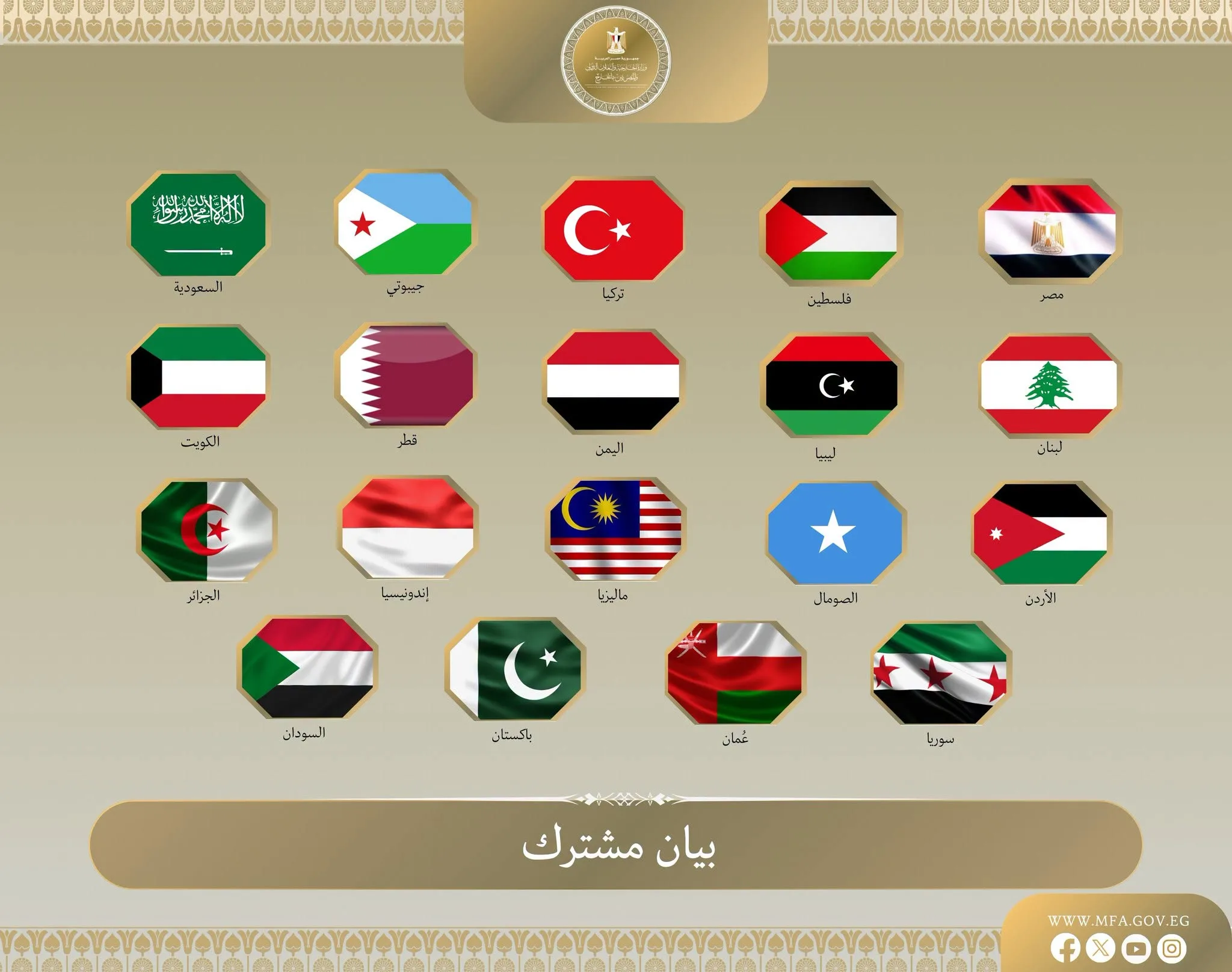







Saudi Arabia, Pakistan and Türkiye signed a joint defence agreement in Mecca on Friday, wedding Sunni Muslim US allies alarmed at a regional conflagration that has rained missile fire onto Gulf oil exporters.
Iran and its allies have been firing on Saudi Arabia and other Gulf states, and blockading their energy shipments, since the US and Israel attacked it on February 28 in a major escalation of years of regional tumult.
The agreement is intended to strengthen collective deterrence against any act of aggression and stipulates that an armed attack against any of the three would be regarded as an attack on all, they said in a joint statement.
While the statement did not give specifics on the commitments or obligations each had accepted under what it called the Mecca Joint Defence Agreement, it said the pact was aimed at strengthening their collective security and promoting peace, security and stability in the region and beyond.
A Turkish official said the agreement was defensive in nature, was not directed against any specific actor, was open to other regional countries, and did not abrogate or replace any existing bilateral or multilateral arrangements.
However, the three nations are particularly concerned by the increasingly aggressive military stances of both Israel and Iran even as their longtime US ally struggles to contain regional upheaval.
“The political symbolism of the summit is significant. Three of the Muslim world’s most influential states are convening at a moment of heightened uncertainty, demonstrating a growing willingness among regional and middle powers to coordinate more closely on security matters,” said Abdulaziz Sager, chairman of the Gulf Research Center, a Saudi-based think tank.
“If institutionalised and translated into concrete cooperation, the trilateral framework could strengthen the three countries’ collective diplomatic and defense weight while contributing to the emergence of a more regionally driven security architecture,” Sager added.
Türkiye has NATO’s second-largest military. Saudi Arabia, the strongest Gulf state, is home to Islam’s holiest sites and one of the world’s top oil exporters, while Pakistan is the only nuclear-armed Muslim country.
Pakistani Prime Minister Shehbaz Sharif, accompanied by powerful army chief Asim Munir, performed the Umrah pilgrimage in Mecca before Turkish President Tayyip Erdogan’s arrival.
They met Saudi Crown Prince Mohammed bin Salman, whose country has been repeatedly struck by Iran, as well as by Tehran’s Houthi allies in Yemen and Shi’ite militia in Iraq, since the war began on February 28.
The conflict has also upended the security of Riyadh’s Gulf allies and shut down most shipping in the Strait of Hormuz, the route for about a fifth of global energy supplies before the war.
Their pact follows nearly a year of negotiations in January, when Turkish Foreign Minister Hakan Fidan said Ankara favoured a broader regional security platform to promote cooperation and stability.

