






Prime Minister Mostafa Madbouly reiterated on Thursday that the government is working to implement President Abdel Fattah El-Sisi’s directives to deepen local manufacturing, localise technology, attract domestic and foreign investment, strengthen national industry, expand the production base and boost exports, while improving the business climate and strengthening partnerships with the private sector.
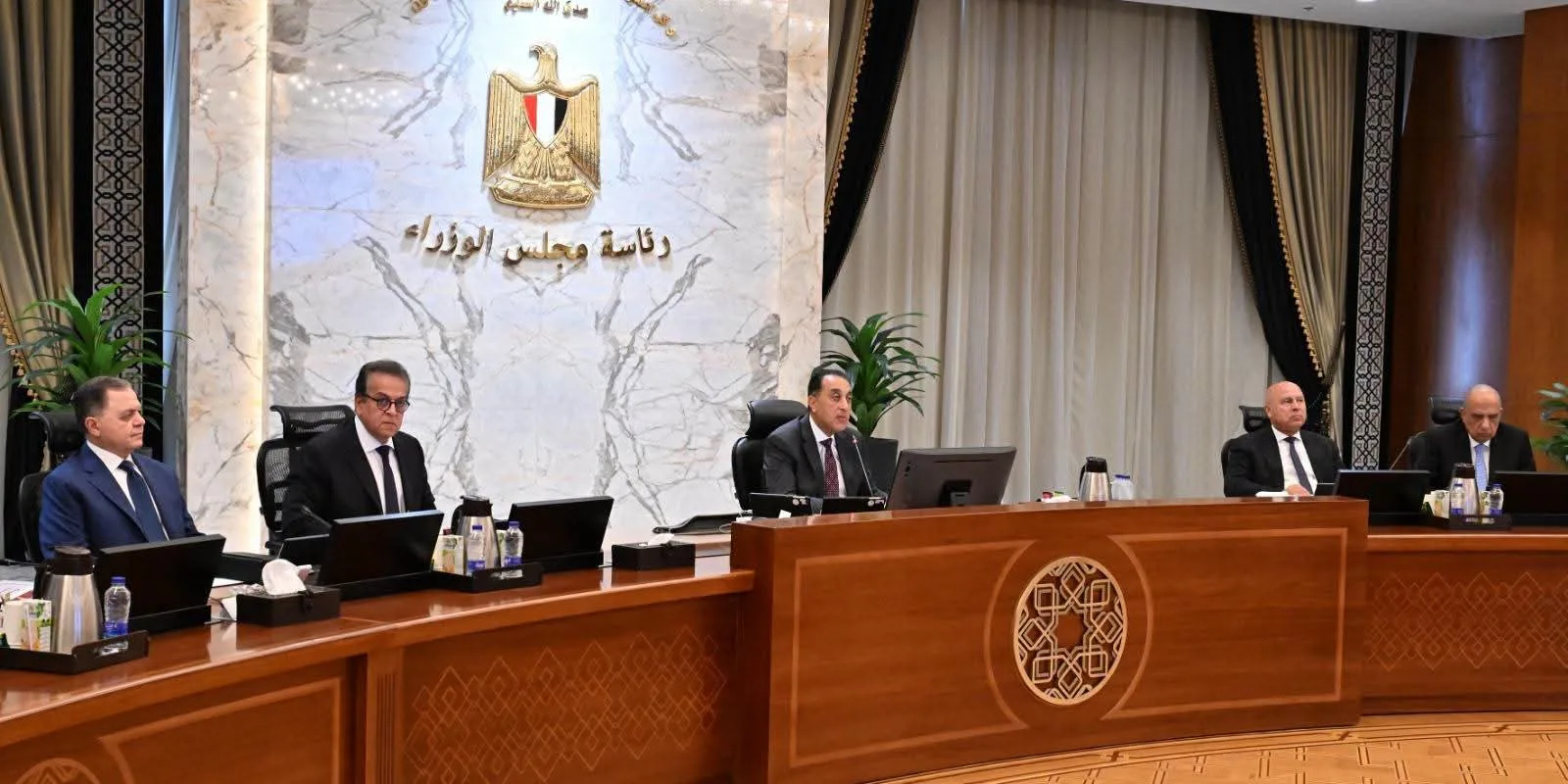
Madbouly made the remarks while chairing the weekly Cabinet meeting at the government headquarters in the New Capital, where he stressed that the government was pressing ahead with implementing the president’s mandates and the recommendations and outcomes of the Egypt Forum 2026.
He highlighted the need to translate these directives into specific executive programmes, supported by clear performance indicators to monitor implementation and assess progress.
The prime minister said he had held two meetings on Wednesday to follow up on the forum’s recommendations concerning social protection and productive investment, competitive industry and sustainable job creation.
He also reviewed the president’s recent diplomatic engagements, including his reception of the president of Slovenia, during which both sides discussed regional and international developments and Egypt’s efforts to promote Middle East stability.
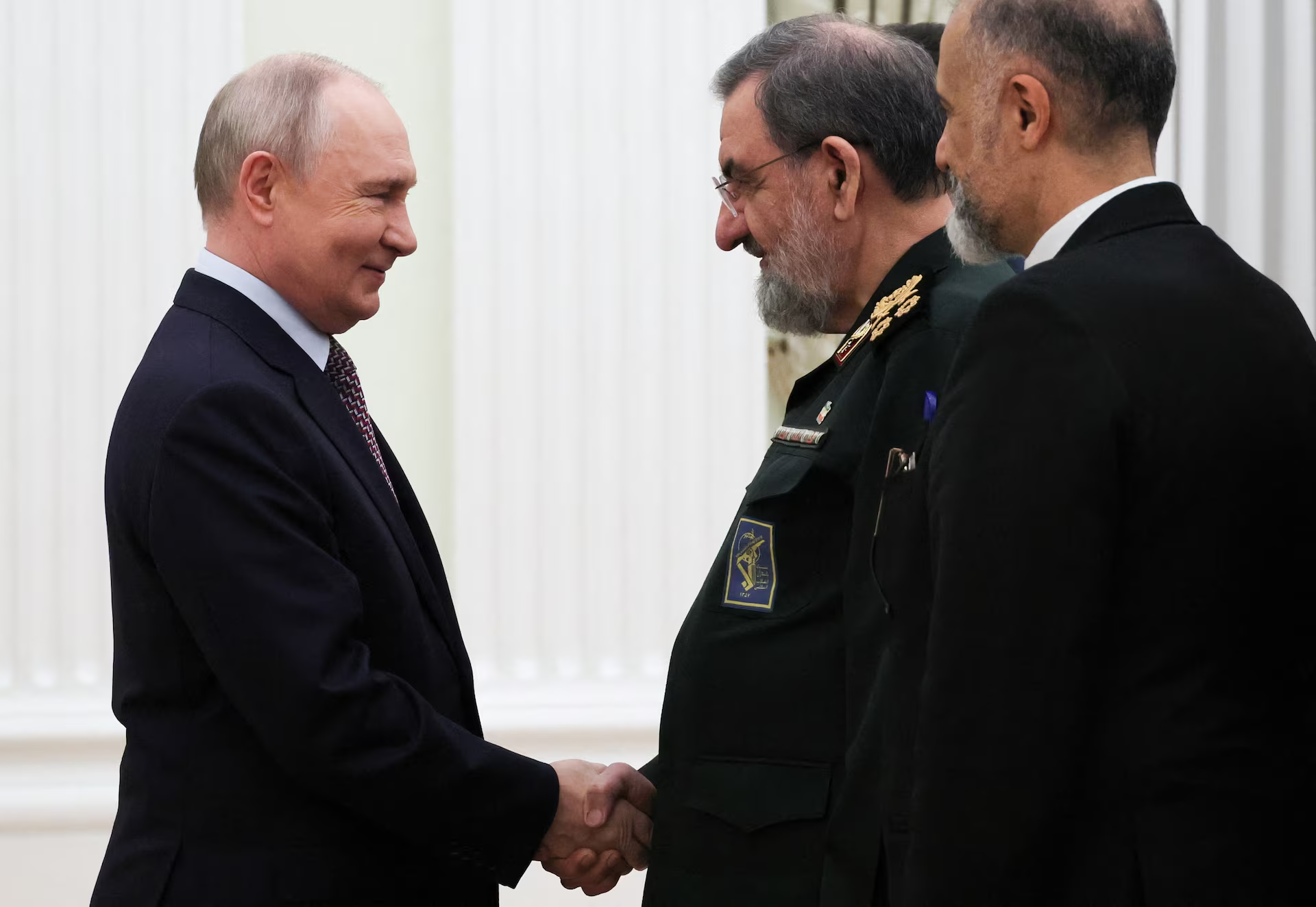
He also highlighted President Sisi’s participation in the third Russia-Africa Summit in Moscow, where a series of documents establishing a framework for future co-operation were adopted, as well as his meeting with the Director General of Rosatom to follow up on the El Dabaa Nuclear Power Plant project and ensure its implementation according to schedule.
The president’s meeting with the president of Hungary was also discussed, particularly the implementation of their 2023 Strategic Partnership Declaration and co-operation in sectors including railways.
Addressing economic challenges arising from regional tensions, Madbouly said the government was adopting flexible mechanisms to deal with different scenarios.
He noted that a plan, prepared jointly by the ministries of finance and of planning and economic development, had been drawn up to rationalise public spending, ensure fiscal sustainability and create the necessary financial space to address the ongoing crisis.
The plan was scheduled to be presented to the Cabinet.
The prime minister also reviewed his recent visit to Suez governorate, where he inaugurated projects covering food security, education, healthcare, renewable energy, industry, religious services and tourism.
He stressed that these initiatives aim to improve public services, advance comprehensive development and strengthen Suez’s position as an attractive destination for industry, investment, economic activity and services.

