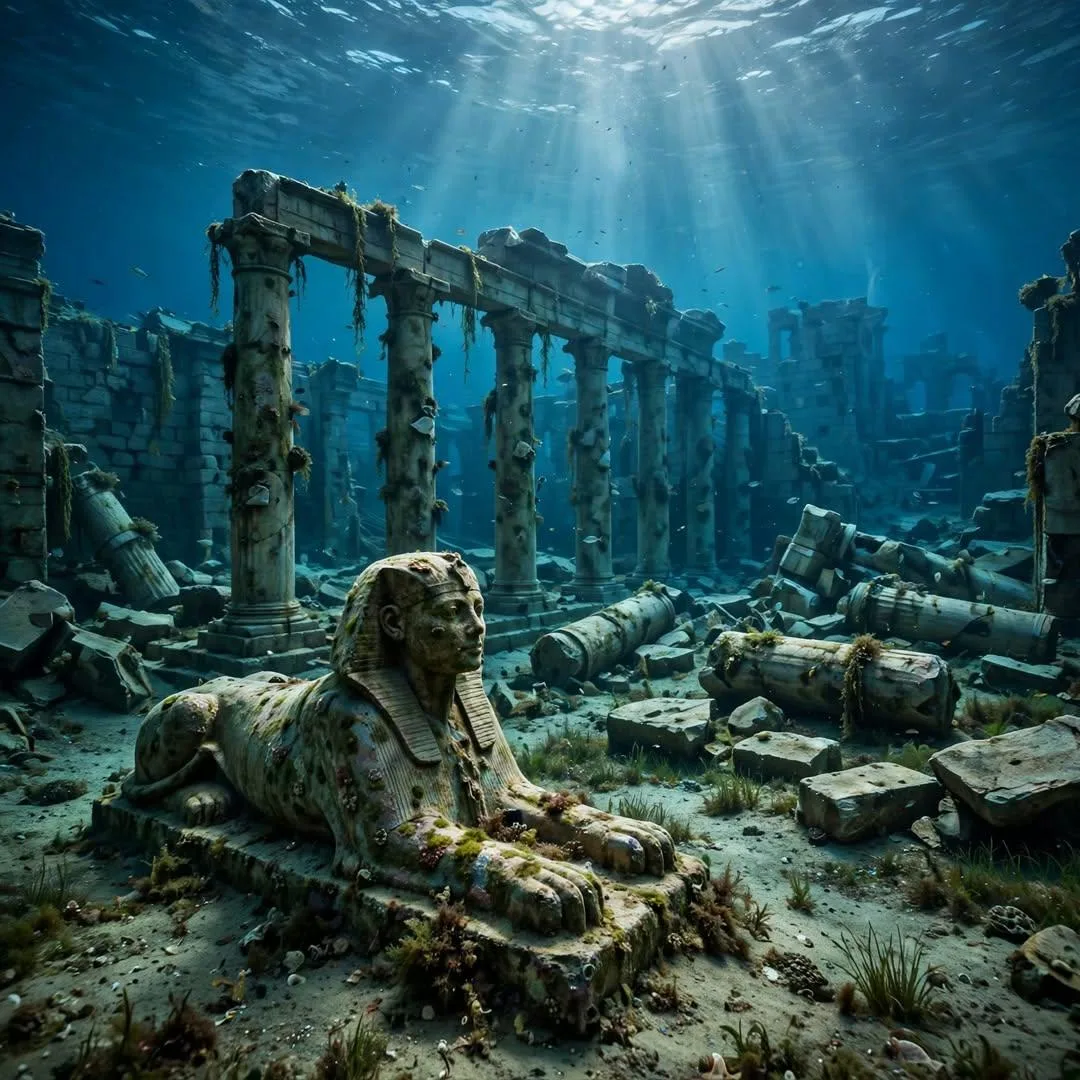






Egypt’s ancient wonders are not confined to its temples and museums. Beneath the waters of the Mediterranean, the Red Sea and the Nile lie shipwrecks, submerged buildings and traces of cities that offer a different view of the country’s rich heritage.
Underwater archaeologists have explored these hidden sites for three decades, bringing discoveries from the depths to the surface.
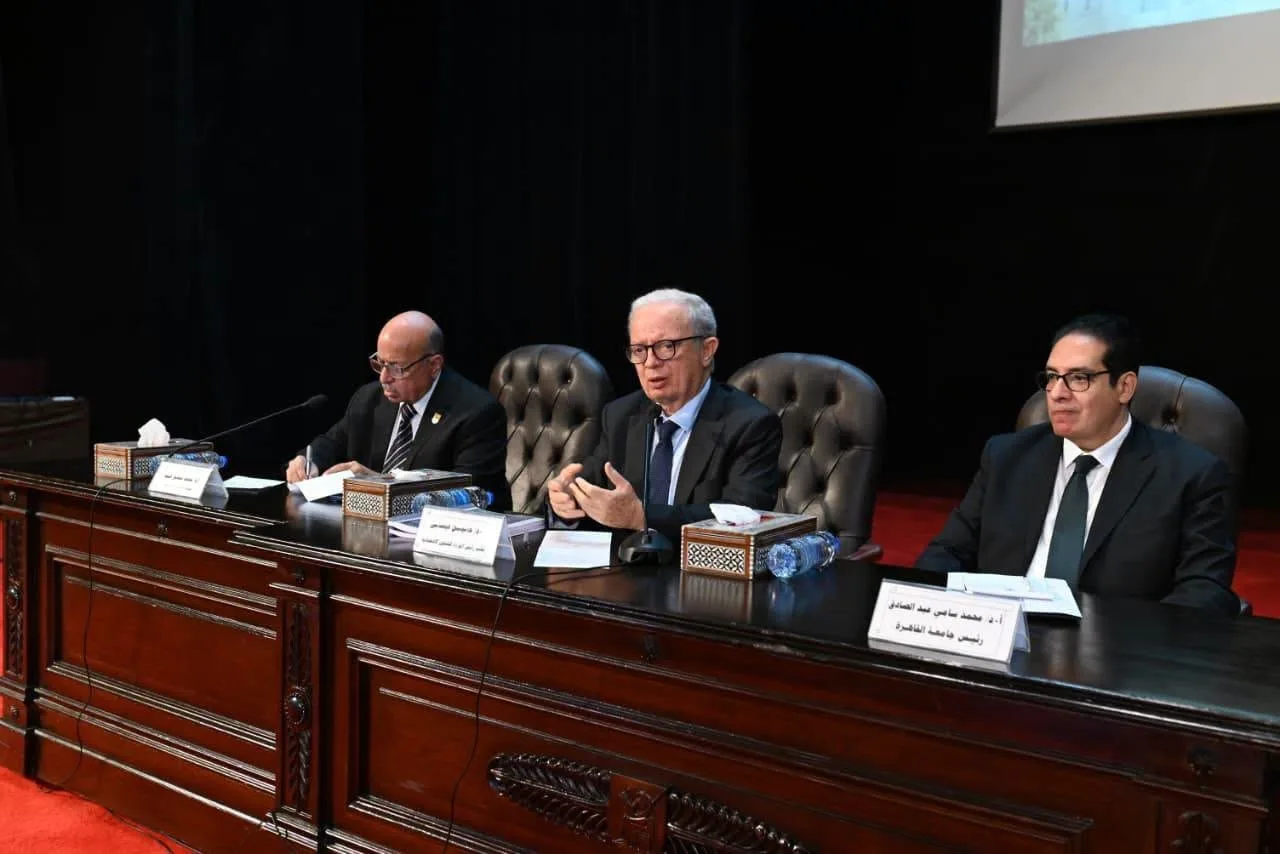
On November 22, they gathered to mark the 30th anniversary of the General Department of Underwater Antiquities and celebrate their work.
The department’s story began in the early 1990s, when archaeologists joined underwater expeditions but faced a basic problem: none of them could dive.
They began training in 1993, according to Mohamed Mostafa, one of the founders and former head of thedepartment, an affiliate of the Supreme Council of Antiquities.
Fieldwork followed a year later, and the department was officially established in 1996.
“The job calls for an unusual mix of skills,” Mostafa told The Gazette.
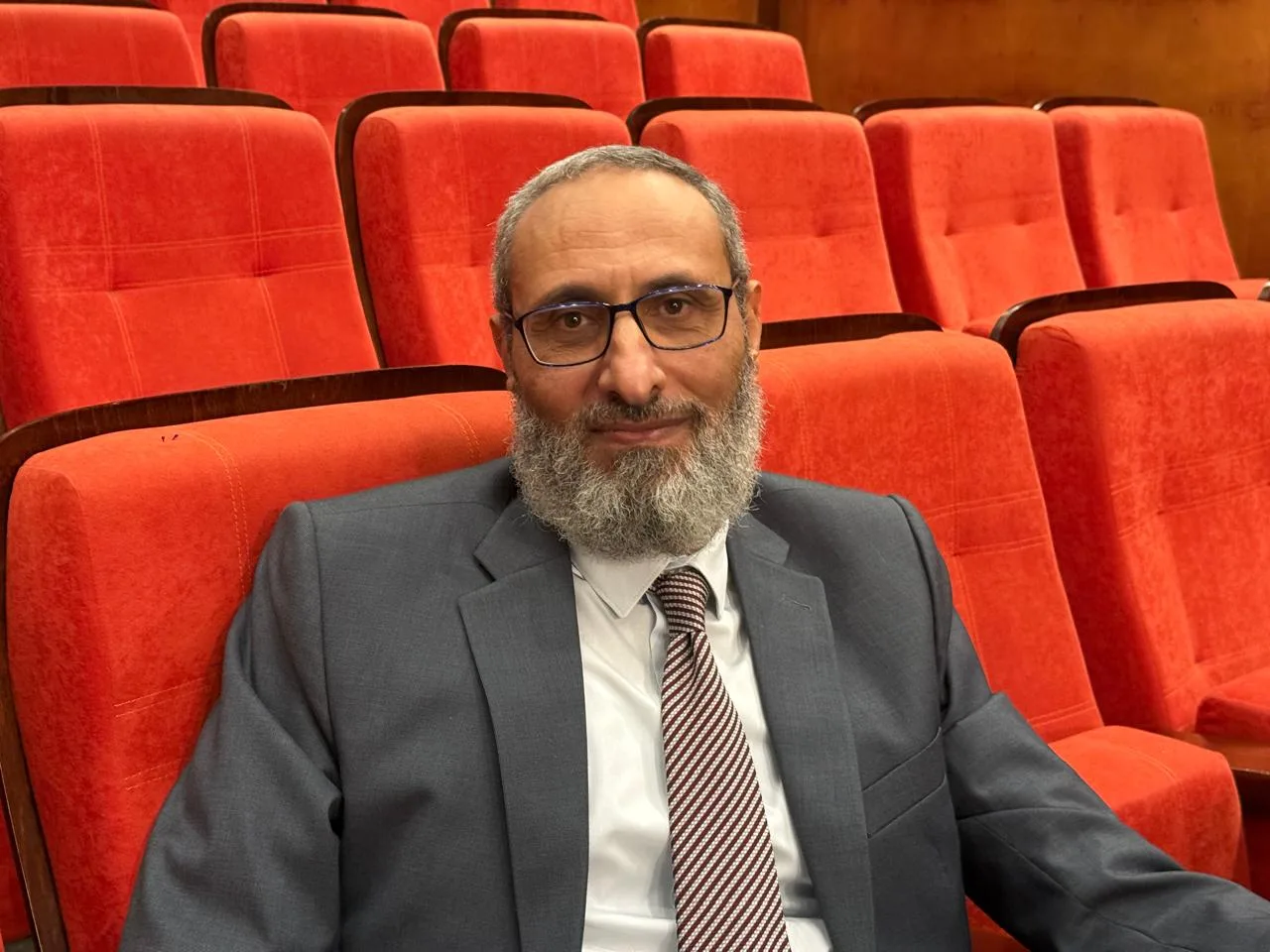
“An archaeological diver must be physically fit and technically trained to work underwater. The diver must also be able to draw, photograph and identify artefacts,”he added.
Among the team discoveries are 64 sunken ships, described as the largest collection from the ancient world found at a single site.
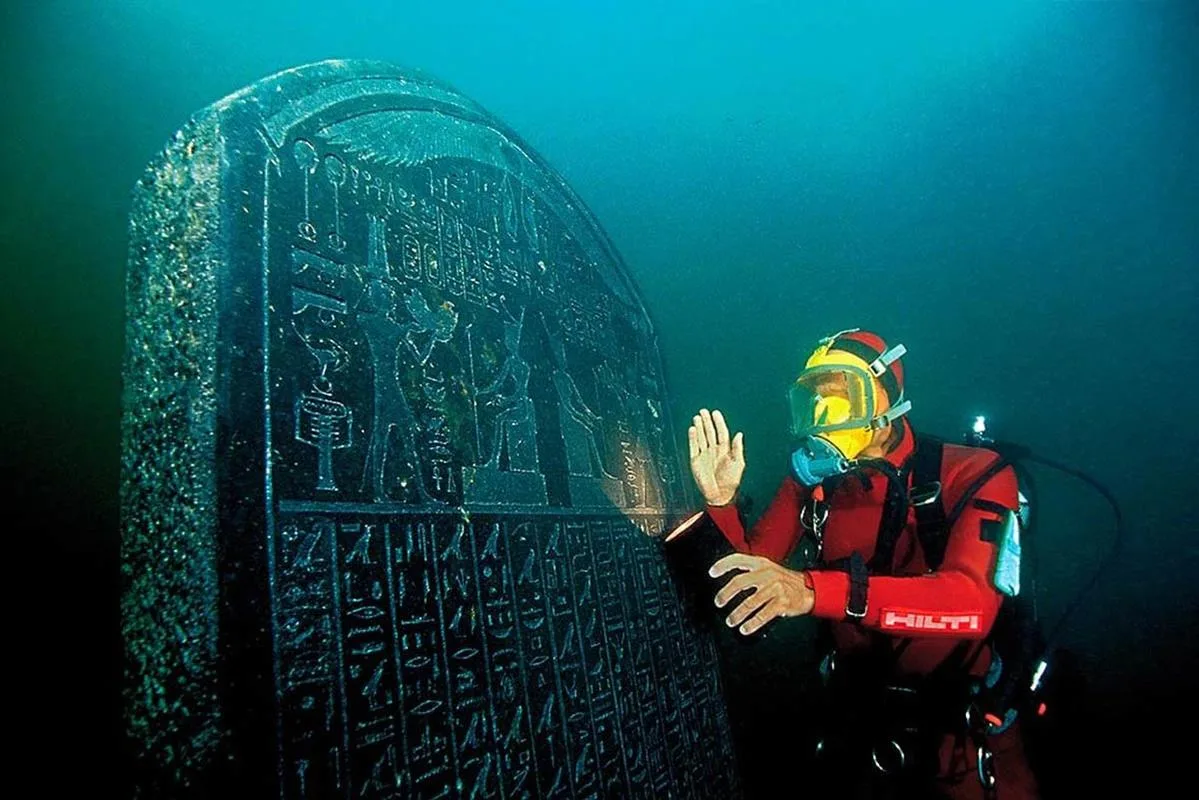
Other finds include temples and buildings, a stele of King Nectanebo I, the Ptolemaic royal quarter in eastern Alexandria and over 4,000 fragments of the Lighthouse of Alexandria, one of the Seven Wonders of the Ancient World.
The department has worked at 36 sites across the Mediterranean, the Red Sea and the Nile. Shipwrecks lie off Matrouh and El Alamein, while a wreck from the Islamic period has been found in the Red Sea.
On the Red Sea coast, divers have also reached the port of Wadi al-Jarf, an archaeological site dating to the reign of Khufu. It served as a maritime base connecting Egypt with the mining regions of Sinai.
In Aswan, they have explored a small submerged shrine at Elephantine Island. They are also documenting inscriptions on a rock that once stood beside the Temple of Philae before the temple was relocated in the 1970s.
Unlike archaeologists on land, who are many, the two underwater archaeologists on a dive must also act as labourers, technicians and sometimes operators of Zodiac boats.
“We use cameras, measuring tapes, writing slates and trowels to document and excavate finds,” Mostafa said.
“Small objects are placed in baskets or carried by hand, while heavier pieces are raised using inflatable lifting bags or winches,” he added.
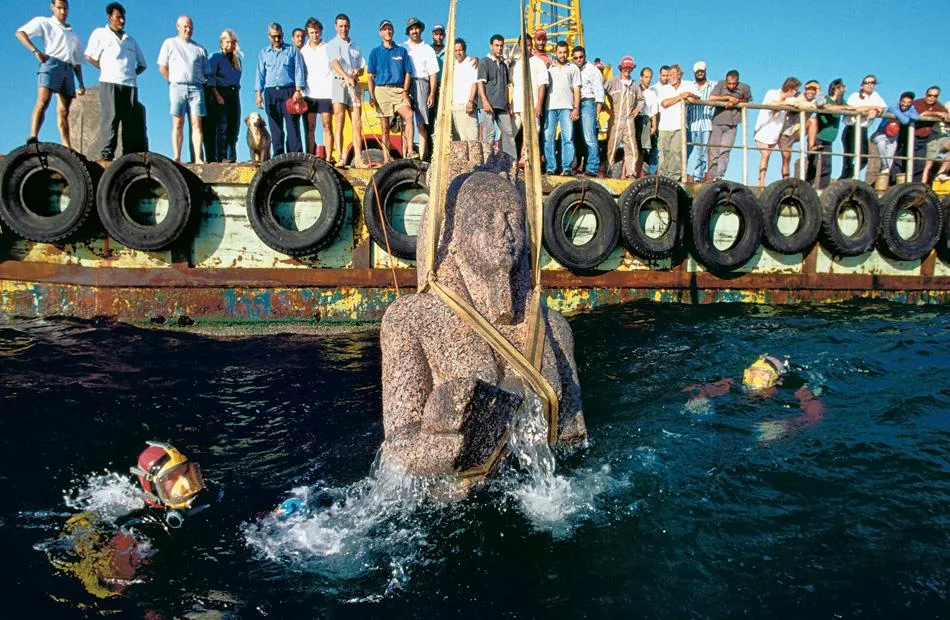
The divers are prone to a multitude of risks, including stinging coral, venomous fish, sharks and the strainsdiving causes to the ears. Remote locations and poor visibility can make the work even more difficult.
Mostafa said passion is what keeps the divers going.
Egypt’s submerged heritage has also attracted international archaeologists working in co-operation with the Supreme Council of Antiquities.
In 2000, French underwater archaeologist Franck Goddio discovered the sunken port city of Thonis-Heracleion in Abu Qir Bay, east of Alexandria. It was once a major trading centre and Egypt’s biggest Mediterranean port before Alexandria was founded in 331 BC.
“It was a huge city, situated at the mouth of the Canopic branch of the Nile, and it defended the entrance to Egypt,” Goddio, who heads the European Institute of Underwater Archaeology, told The Gazette.
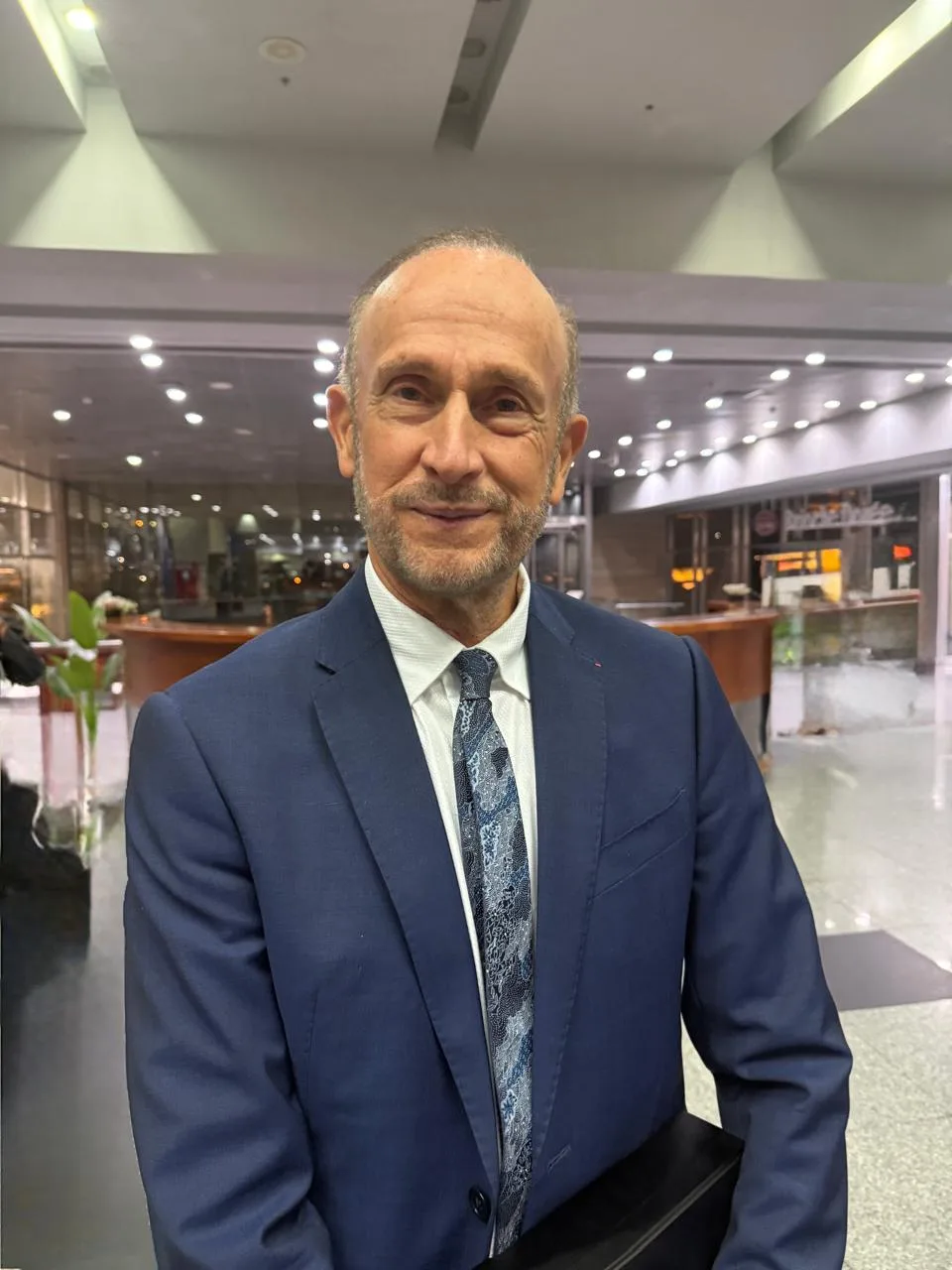
“So it was a very important port, but it was also a military post,” he added.
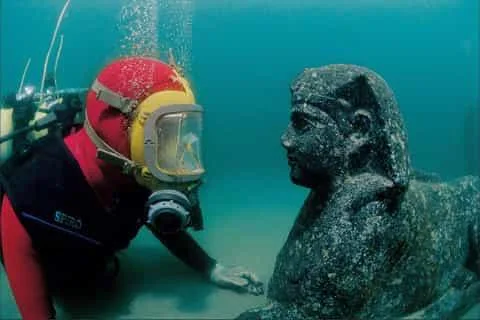
The city was later destroyed and submerged. Goddio’s work there has revealed monuments, including the Temple of Amun-Gereb and the Temple of Khonsu. His team also found colossal statues in a very good condition, now on display at the Grand Egyptian Museum.
Thousands of artefacts have been retrieved, but Goddio believes most of the site remains unexplored.
“I would say that we have excavated a maximum of 5 per cent,” he said, “and 95 per cent is still to be done in the century to come.”
Off Alexandria, Goddio’s team has mapped Portus Magnus, the city’s old harbour, now submerged. Within its royal quarter lies the island of Antirhodos, once home to a Ptolemaic palace and an important temple.
Goddio said he would resume excavation of the palace next spring, after the careful preparation needed before divers can begin work.
“The work is hard. Everything lies under several metres of sediment, so geological and geophysical surveys with state-of-the-art equipment must find a site before a diver can excavate it,” he said.