




Egypt is making efforts to sharpen the competitive edge of its iron and steel products, with a view to becoming a regional hub for this industry.
Prime Minister Moustafa Madbouli revealed last week that these efforts are made also so that Egyptian iron and steel products would gain a larger share in regional and international markets.
Addressing the 19th Arab Steel Summit, a gathering of regional iron and steel manufacturers, in Cairo, the prime minister added that his government would establish ten technical schools in partnership with the private sector to train technicians to meet the needs of the local steel industry, along with Arab and global markets.
The new schools, he said, would receive European Union accreditation.
He noted that this step is aligned with Egypt Vision 2030 and the government’s target of raising industry’s contribution to 20 per cent of the gross domestic product by 2030.
The Ministry of Industry has, meanwhile, unveiled its plan to found a new centre that would be focused on steel industry development.
The centre, the ministry said, would operate in tandem with local steel and iron companies and makers.
The planned centre would conduct economic and technical studies, analyse market developments, provide specialised advice, and identify future challenges, supporting industrial policy and decision-making, the Ministry of Industry said in a statement.
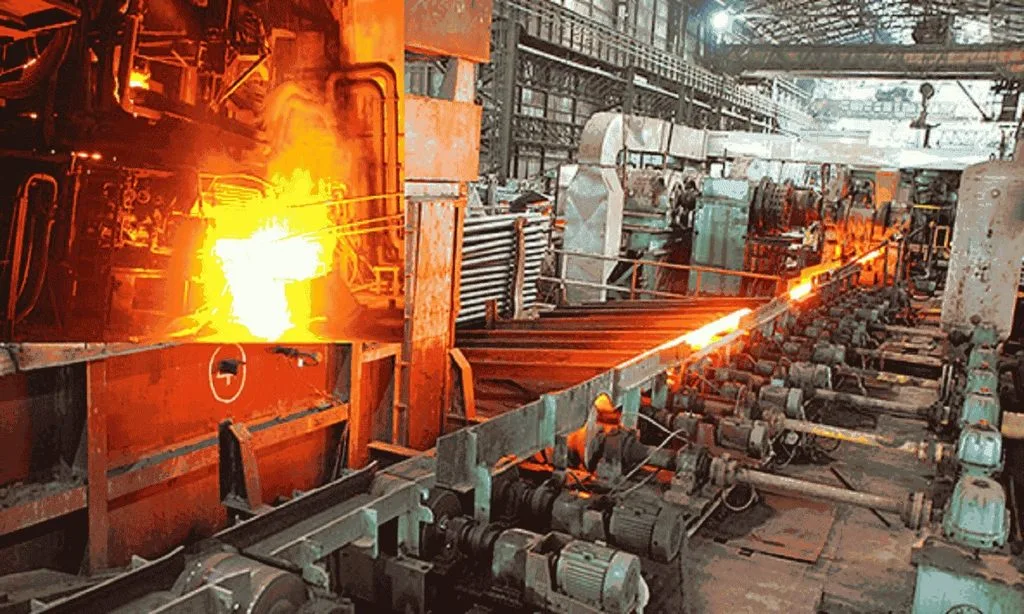
Prime Minister Madbouli told the summit that his government works to slash steel and iron production and input costs.
“We also work to improve the efficiency of energy and resource use, and cut down carbon emissions,” the prime minister added.
He underscored the importance of balancing industrial growth with environmental sustainability.
Egypt has, meanwhile, unveiled a 10-year strategy for the development of the national steel industry.
Drafted by a host of government agencies, the strategy aims to boost the industry’s competitiveness, including by integrating different production stages.
The government also works to localise supporting industries, ensuring that steel production is effectively linked to the needs of related sectors.
Industry planners are also closely monitoring shifts in global trade, particularly rising protectionism, which has redirected steel exports from markets with tighter restrictions to alternative destinations with fewer barriers.
These developments have exposed less-protected markets to a growing influx of imports, putting additional pressure on domestic producers, observers said.
Prime Minister Madbouli also revealed that his government would take measures to protect the local steel industry whenever justified on legal and economic grounds, including action against dumping, unfair subsidies and import surges that warrant safeguard measures.
“These are defensive measures aimed primarily at achieving balance in markets and confronting practices that harm this national industry,” the prime minister said.