



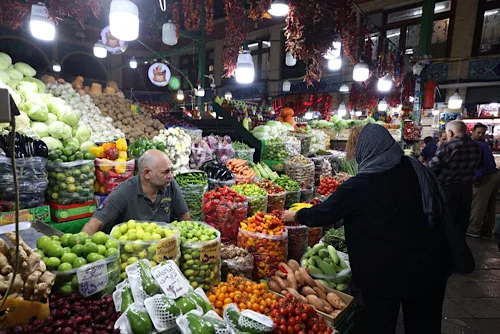
At a Tehran bazaar where fragrant herbs and spices whet the appetite, shopkeeper Nasir says locals once bought his nuts by the kilo but soaring prices caused by the US-Iran war have eaten into sales, leaving businesses fighting for survival.
The marketplace in the Iranian capital’s north would usually be abuzz with customers, but shops now sit mostly empty with only small numbers of people walking its old narrow paths, a jarring shift for the sellers shouting to promote their goods.
“There used to be customers who bought two to five kilogrammes. Now, they’re down to buying one kilogramme or half a kilogram,” said the 61-year-old.
“Prices are truly high. We all know it, and it would be a lie to say otherwise.”
Nasir called on authorities to stabilise the currency so businesses could plan ahead, AFP reported.
“We’re left in limbo, everyone is,” said the fruit and nut seller.
“They need to stabilise the dollar exchange rate.”
Iran’s economy has been battered by years of sanctions, but the conflict that began in February with US-Israeli attacks and an American blockade of the country’s ports has put extra strain on daily life.
Rising inflation, nearly 90 per cent year-on-year in September according to official figures, and erratic currency exchange fluctuations have driven up the cost of everyday items. Food prices have more than doubled since last year.
At the bazaar, a historic covered market in Tehran’s Tajrish square, locals surrounded by Iranian flags and Persian signage try to escape the economic gloom, scanning sweets, jewelry, traditional garments and cuts of meat before their weekend begins.
In an alley, a street artist plays a guitar while another drums his hands on a box to draw tips from passersby.
But across the commercial district, many struggle to see a future for their businesses.
“It is a desperate, last-ditch struggle. Manufacturers are going bankrupt, laying off staff and closing shops, and the impact inevitably reaches us,” said Ali Nowruzi, 36, who runs a sportswear shop in the bazaar.
The businessman now orders only a few items for display on his shop’s shelves to stop them from looking bare like his warehouse, which he says lies empty due to lack of demand.
“We have absolutely no plan for the future. When people don’t come to buy… it effectively spells bankruptcy for the business,” he said, citing rising rent and utility bills.
“We just need some stability.”
