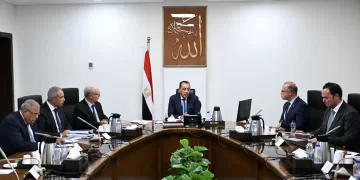


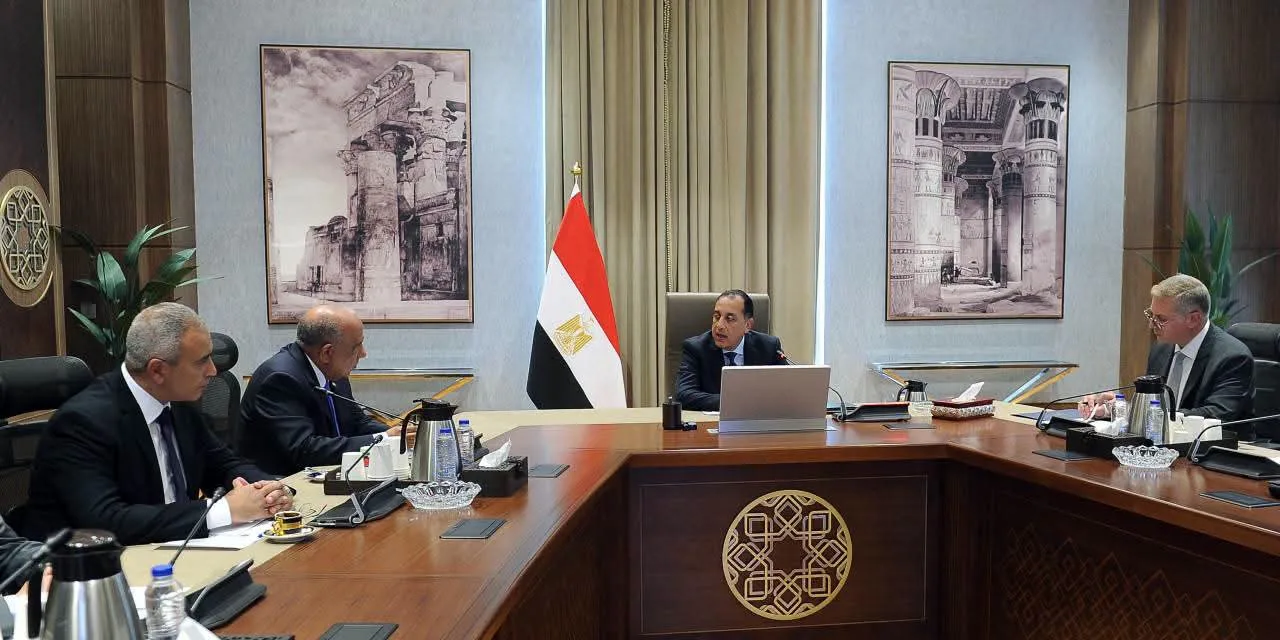





Prime Minister Moustafa Madbouli affirmed on Sunday that the government is continuing to implement a comprehensive programme of economic and institutional reforms aimed at accelerating economic growth, improving the business environment, attracting more domestic and foreign investment, and simplifying procedures for investors.
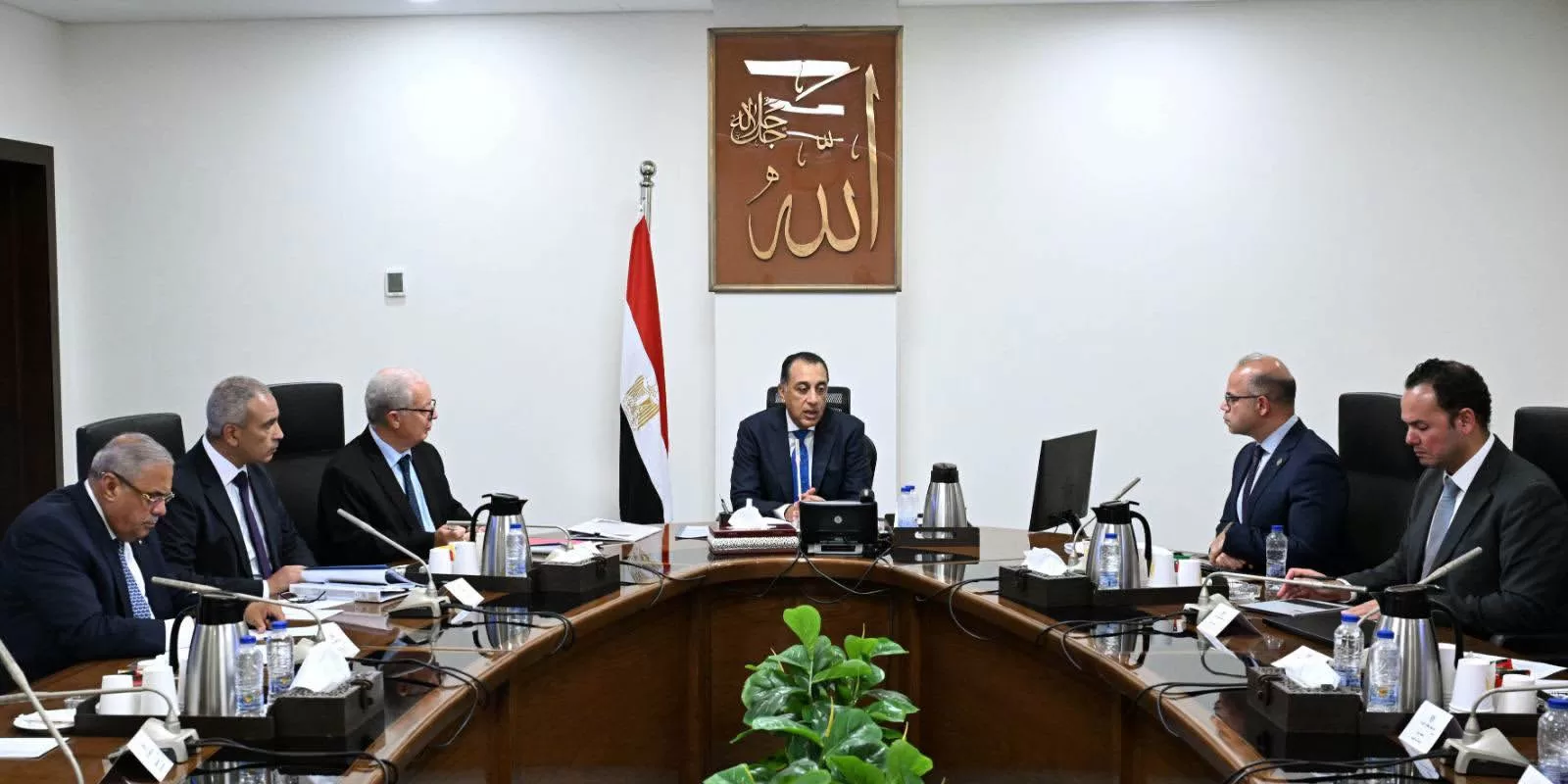
His remarks came during a meeting to review proposals for transferring the ownership of several holding companies and their subsidiaries from the public business sector.
Deputy Prime Minister for Economic Affairs Hussein Eissa, Minister of Investment and Foreign Trade Mohamed Farid Saleh, Assistant to the Prime Minister and CEO of the State-Owned Enterprises Unit Hashem El-Sayed, and Assistant Minister of Investment Saeed Arafa were present at the meeting.
During the meeting, Madbouli said the government is continuing to improve the efficiency of state asset management, empower the private sector and strengthen its role as a key partner in economic development, in line with the second edition of the State Ownership Policy Document (2026–2030).
He added that the government is restructuring state-owned enterprises, improving their operational performance, strengthening governance and transparency, and ensuring the professional management of public assets to maximise economic returns that can contribute to reducing public debt.
The prime minister stressed that the government is closely monitoring the performance indicators and reform plans of state-owned enterprises while steadily implementing its divestment programme, reflecting its commitment to expanding private sector participation across various economic sectors, said the Cabinet Spokesman Ambassador Mohamed el-Homosani.
He added that the meeting reviewed key financial indicators and consolidated data for holding companies and their subsidiaries.
Discussions also covered the financial position of each holding company, their underutilised assets, and proposals for transferring the ownership of several public sector holding companies.
The meeting further examined ways to maximise the utilisation of land owned by several companies by identifying investment-ready opportunities and presenting them to investors.
It also highlighted the importance of conducting a comprehensive inventory of underutilised assets and determining their optimal use through the databases available to the relevant authorities.

