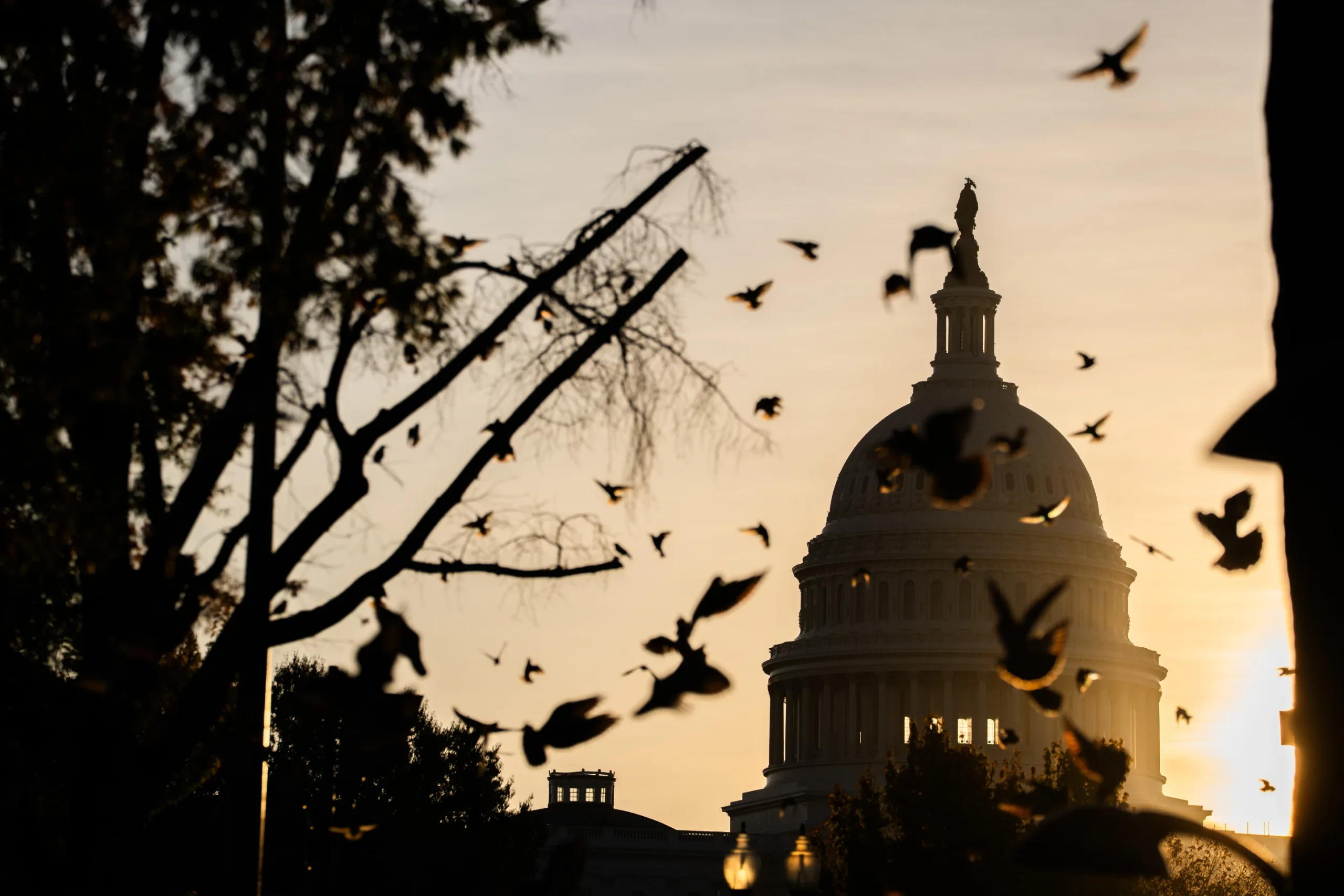



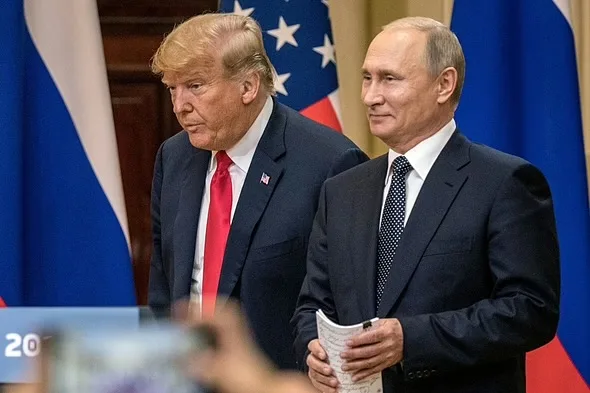
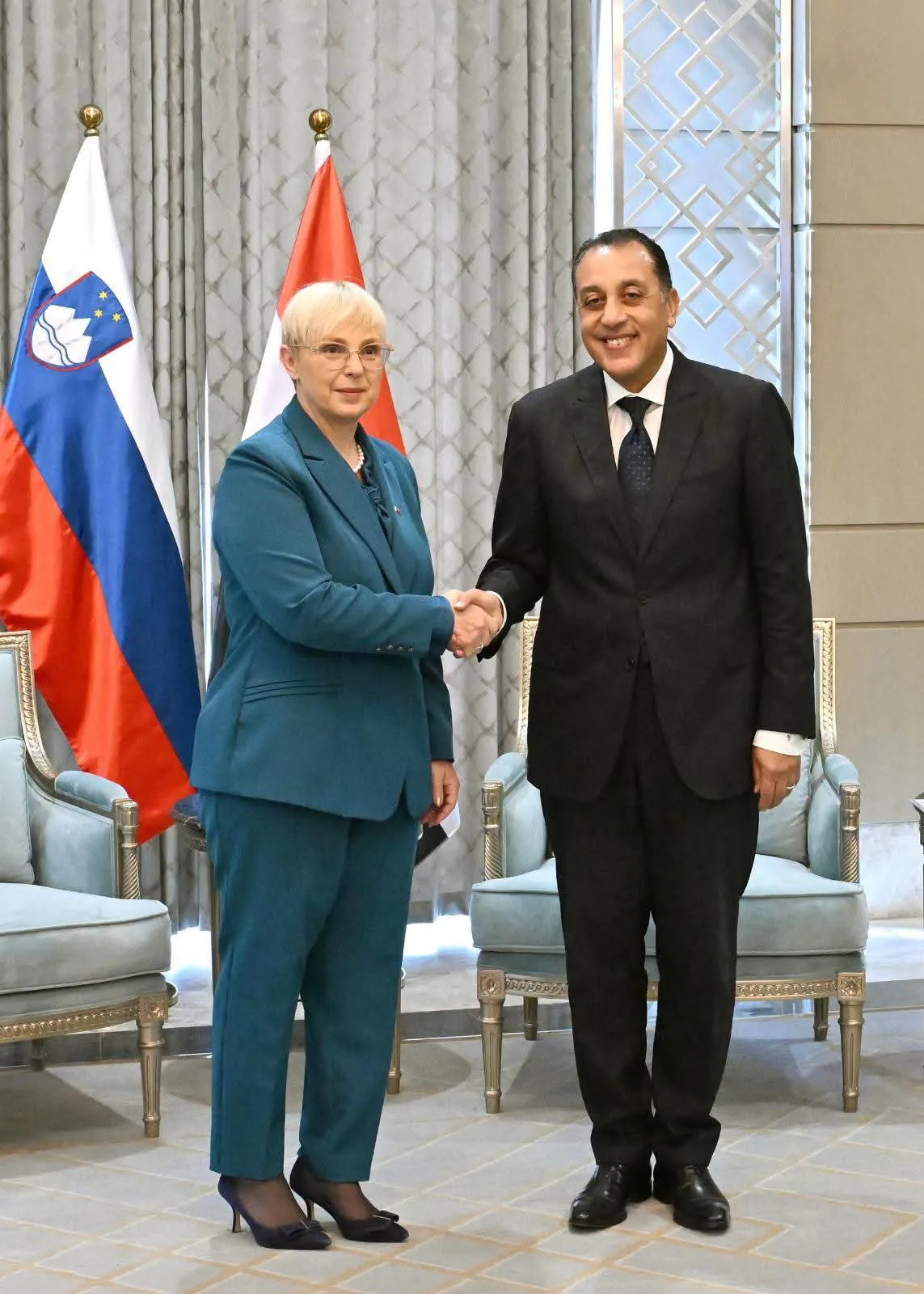


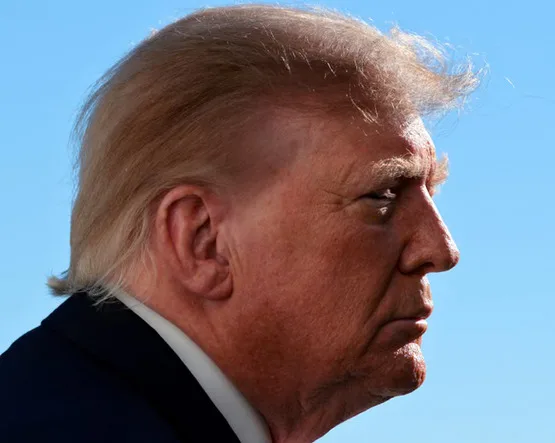


World leaders who have sparred with the “America first” President Donald Trump greeted the rout of his Republican Party in the US midterm elections with a measure of relief on Wednesday, allowing themselves to hope for a less combative US foreign policy.
But that hope was seasoned with expectation that American voters’ rebuke would not necessarily end the US conflict with Iran or change Trump’s policies on tariffs or his lukewarm-at-best support for Ukraine and America’s European allies.
Progressive politicians cast the results as part of a trend of liberal comebacks around the world, following recent defeats for populists on the right in Hungary, Brazil and Serbia.
Spain’s social democratic Prime Minister Pedro Sánchez wrote on X that Americans had voted “Against hate. Against machismo. Against climate denialism and against the privileges of the elites.”
“It happened in Brazil. It just happened in the US. And it will happen soon in Spain,” wrote Sánchez, who faces an election on November 29.
Norwegian Foreign Minister Espen Barth Eide said the majority of Americans had sent a clear message that “they have had enough of MAGA and now want a different course. Enough of polarisation.”
British Prime Minister Andy Burnham expressed hope the election results would focus minds in Washington and other capitals on ending the Iran war, which has sent fuel prices soaring — a major source of frustration for voters.
“The world has an opportunity now to unite around the issue that is affecting us all, and that’s the cost of living,” Burnham said during a visit to the Commonwealth summit in Antigua. “But I can’t get people’s cost of living pressures down until the conflict in the Middle East is resolved.”
That and “the conflict in Ukraine started by Russia. These are the things we have to focus on now.”
But others in Europe cautioned that, with Trump in power for two more years, there would be no quick change to American foreign policy, which has strained defense, economic and diplomatic alliances. The president has berated European leaders over everything from immigration to wind farms, roiled their economies with tariffs, threatened to pull the U.S. out of NATO and expressed a desire to take over Greenland, a semiautonomous territory of NATO ally Denmark.
Austrian Foreign Minister Beate Meinl-Reisinger said that “independently of the election outcome, our security and prosperity in Austria and Europe must not depend on how people in Kansas or Iowa vote. That’s why we are strengthening our own defense capability and our own competitiveness.”
Laurel Rapp, director of the US and North America program at the Chatham House think tank, said there won’t be “a ‘we’re back’ moment in the US relationship with Europe.”
“I don’t expect this will significantly change the administration’s approach to Europe,” she said. “It’s been a very transactional one, one that has deep skepticism about the value Europe can offer the US in terms of a defense relationship.”
The United States’ immediate neighbors reserved judgment on whether the Republican defeat would smooth rocky relations with Washington.

