


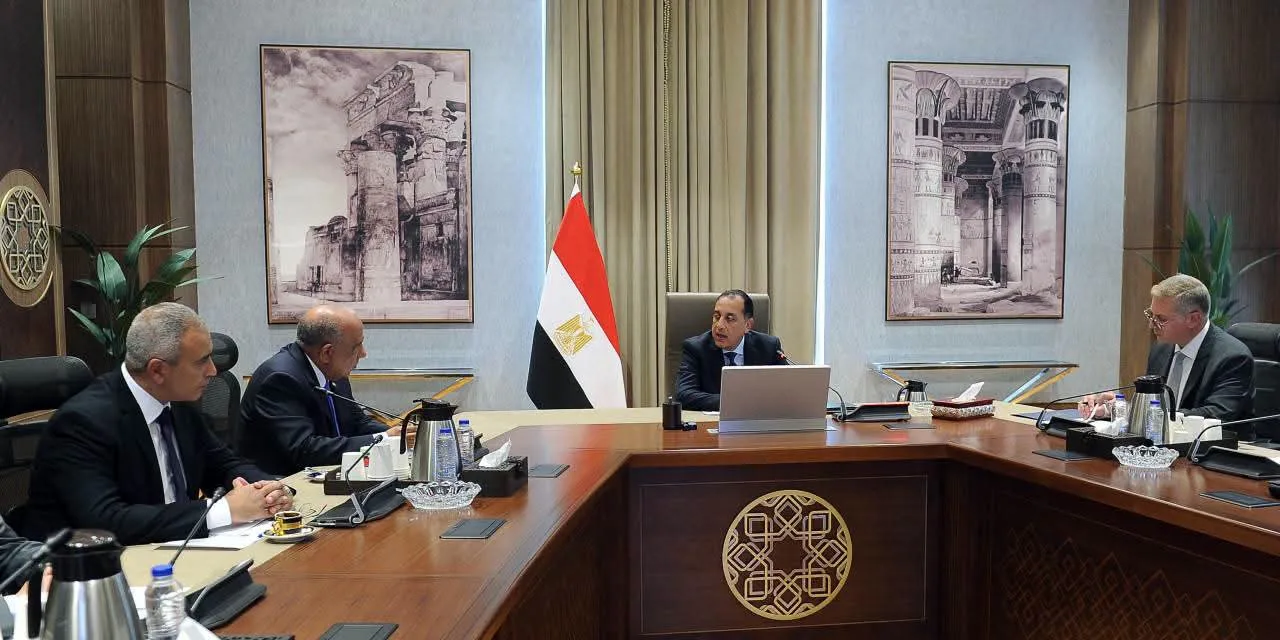
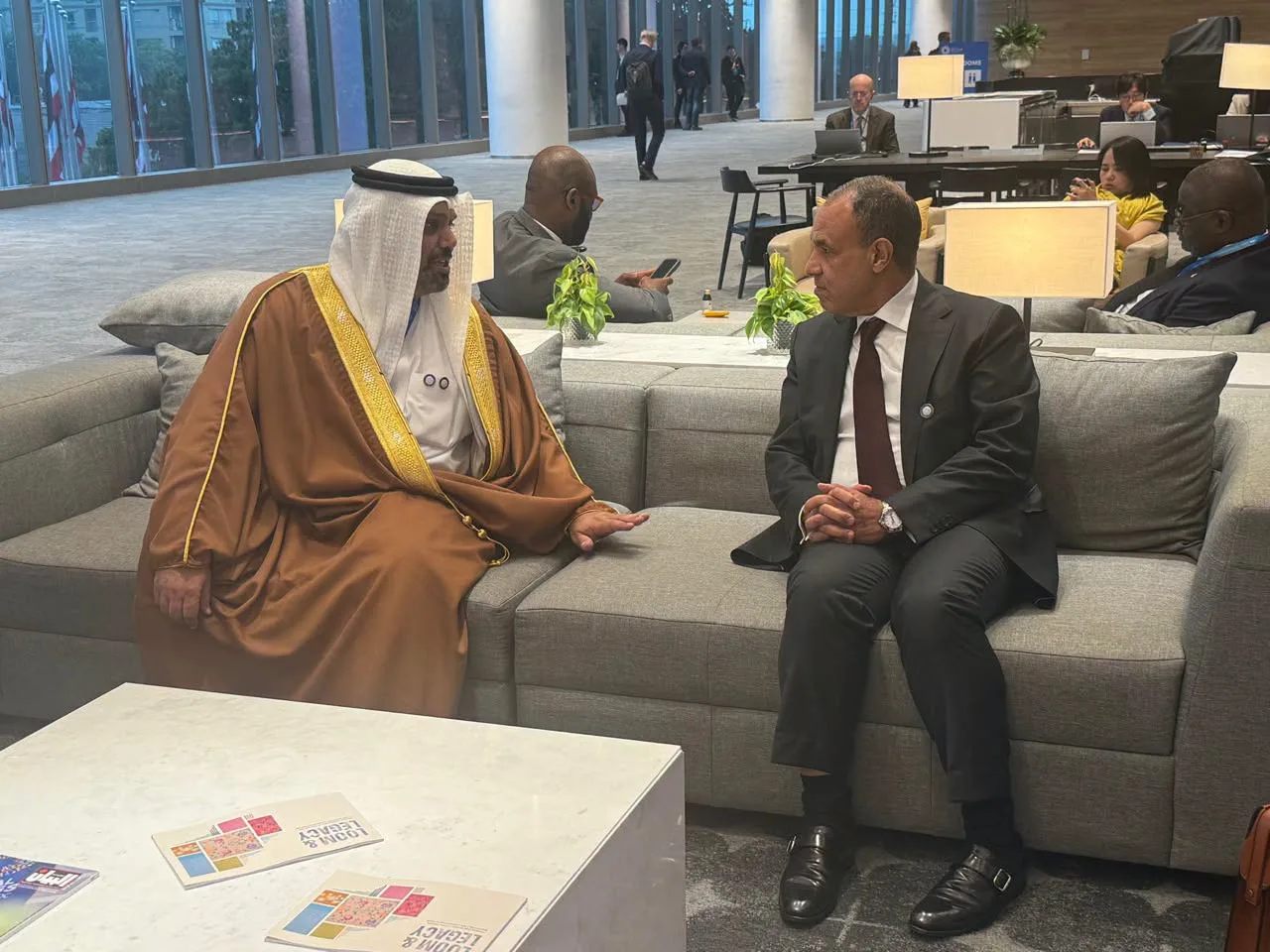



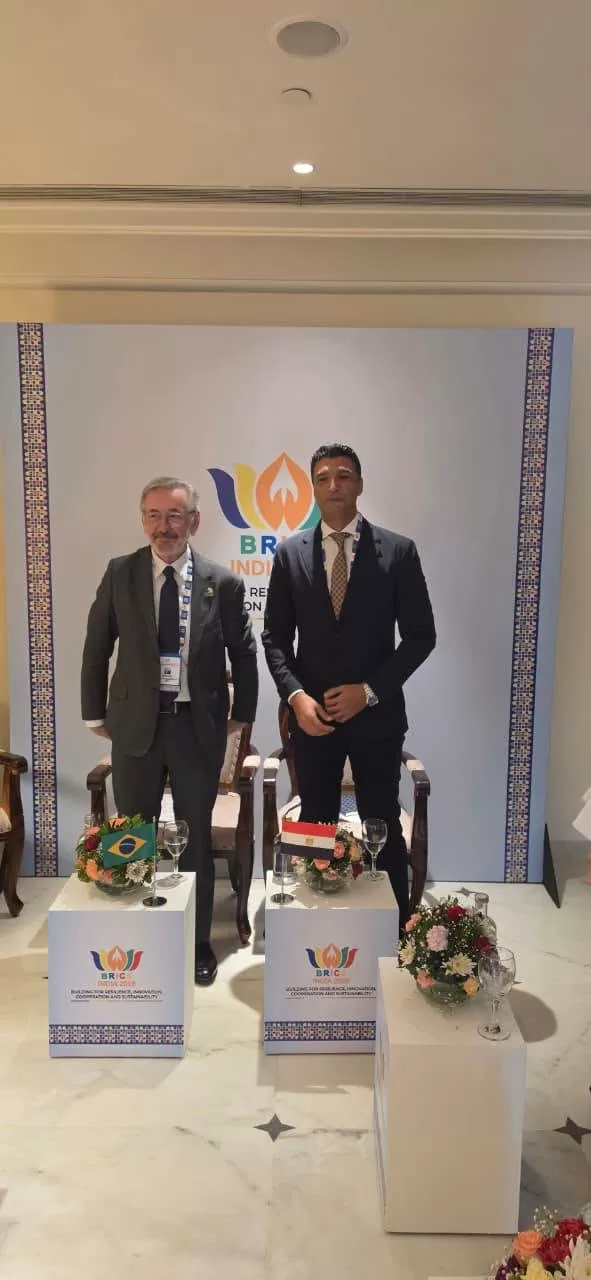
Egypt’s Minister of Industry Khaled Hashem held separate bilateral meetings with Brazil’s Minister of Development, Industry, Trade, and Services, Marcio Elias Rosa, and China’s Vice Minister of Industry and Information Technology, Xiong Jijun, to strengthen industrial cooperation, attract investments, expand local manufacturing, and enhance technology transfer. TheministerisinJaipur,India,toparticipateintheBRICSIndustryMinisters’Meeting,
During his meeting with the Brazilian minister, Hashem said Egypt seeks to transform trade relations into a comprehensive industrial partnership based on integrating production capabilities, localising technology, and linking companies to regional and global value chains.
He highlighted Egypt’s strategic location, extensive free trade agreements, and advanced logistics infrastructure, making it a production and export hub for the Middle East and Africa. He stressed that Egypt aims to attract Brazilian investments in biofuels, ethanol, sustainable aviation fuel, agricultural machinery, food processing, medical devices, engineering industries, automotive components, electronics, pharmaceuticals, and renewable energy.
Egypt has already launched two sustainable aviation fuel projects and is exploring ethanol and biofuel production while seeking to benefit from Brazilian expertise. He added that establishing joint ventures in Egyptian industrial zones, exchanging production inputs, and linking manufacturers and suppliers would increase added value and improve market access.
The two sides agreed to engage the private sector through business missions, cooperation between investment agencies, a possible joint business council, and priority projects in biofuels, agricultural industries, medical devices, machinery, and production inputs. Rosa noted that bilateral trade is approaching $5 billion and said the Egypt-Mercosur Free Trade Agreement provides strong opportunities to expand trade and investment.
In his meeting with Xiong Jijun, Hashem said Chinese companies have become strategic industrial partners in Egypt across the automotive, textile, food processing, chemical, pharmaceutical, electronics, and building materials sectors.
He said Egypt is prioritising cooperation in electric vehicles, batteries, automotive and bus components, machinery, industrial robots, and pharmaceutical inputs, while holding discussions with Chinese companies to increase local manufacturing, raise the local component ratio, transfer technology, meet domestic demand, and boost exports to Middle Eastern and African markets.
He also reviewed opportunities to establish industrial zones and said the upcoming visit of Chinese President Xi Jinping to Egypt could accelerate priority projects and launch a programme with defined implementation timelines.
Xiong reaffirmed China’s support for Egypt’s industrialisation plans, implementation of the Forum on China-Africa Cooperation industrial partnerships, development of local value chains and manufacturing, and greater investment by Chinese companies in electric vehicles, batteries, robotics, and machineury.

