




The government has taken a raft of decisions to ward off negative economic repercussions from escalating regional geopolitical tensions.
The decisions will rationalise public spending and safeguard fiscal sustainability, according to Prime Minister Moustafa Madbouli.
He said at a cabinet meeting last week that the planned measures include – among many other things – reducing government fuel and electricity consumption, and curtailing advertising and promotional expenditure across government entities.
At least 20 per cent of the money allocated for goods and services will be slashed, while electricity consumption will be cut down by 20 per cent and government fuel consumption by 30 per cent, according to the new plan.
The prime minister noted that some new projects would be postponed and that the purchase of new cars for the government would be suspended until June 30, 2027.
The government will also slow down the implementation of fuel-consuming national projects for at least three months.
Restrictions will also be placed on projects requiring foreign currency or external borrowing, the new plan says.
However, projects within the Decent Life initiative will be exempt from the new austerity plan, along with projects in the health, education, water and sanitation sectors.
Projects that are directly connected with national security will also be exonerated, according to the plan.
Economists have applauded the new measures, pointed to the need for rationalising national spending.
Leading economist Sahar al-Damati referred to obstacles facing the national economy because of current geopolitical tensions.
“These obstacles have a toll on the national economy,” al-Damati told The Egyptian Gazette.
She cited rising oil prices and disruptions to shipping through the Strait of Hormuz and Bab el-Mandeb Strait.
Despite price surges in the international market, the government was keen not to add to the economic burdens of ordinary Egyptians.
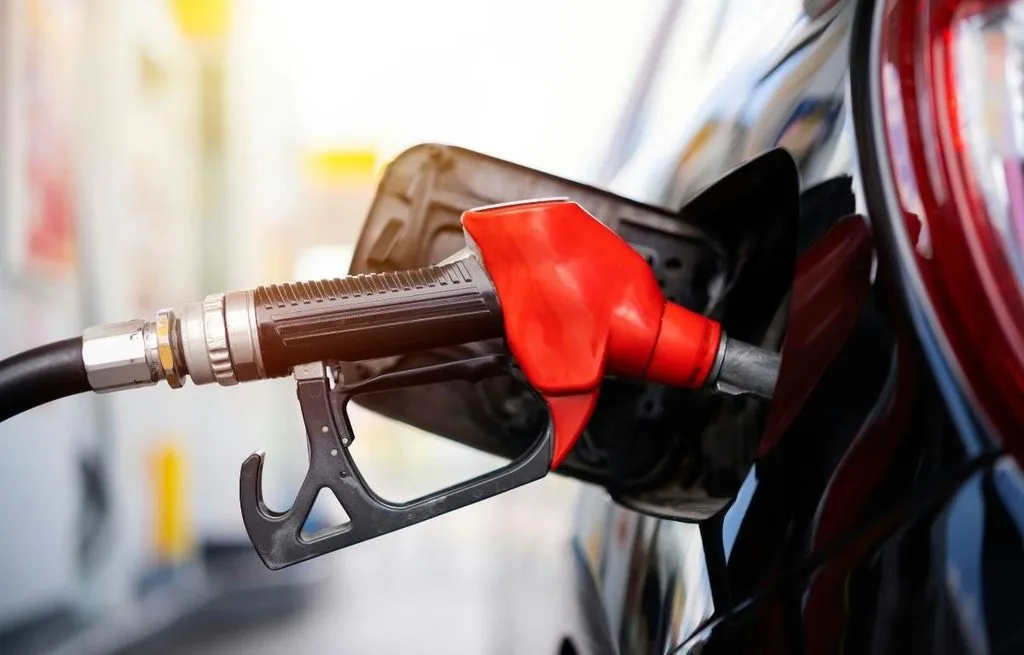
During its meeting almost three weeks ago, a Ministry of Petroleum Committee that decides fuel prices decided to keep the prices of all petroleum products unchanged.
This comes as the government works tooth and nail to prevent price shocks from negatively affecting the living standards of ordinary people.
Al-Damati referred to decisions taken during the Egypt Forum 2026 for raising salaries for millions of civil servants across the country.
The decisions are expected to be implemented by the end of the fiscal year 2029/30, with the aim of protecting ordinary Egyptians against the effects of skyrocketing commodity prices.
Meanwhile, leading economist Yomn el-Hamaky called for boosting productivity, along with the planned salary raise.
The government, she said, has to make an ideal use of its own assets.
She called for levelling the playing field even more to the private sector through partnerships and well-structured arrangements.
Professor el-Hamaky also called for expanding vocational training and facilitating technology transfers on the road to honing workers’ skills so that they can double national production.
“Workers’ salaries will eventually increase when there is more production,” Professor el-Hamaky told the Gazette.
She cited the nation’s diversified economic base, calling for making a better use of national resources to boost production and overcome economic challenges.
During the cabinet meeting, the prime minister underscored his government’s plan to prioritize production, manufacturing, and exports to foreign markets.
The proposed framework would establish an integrated fiscal sustainability plan, incorporating preventive measures against potential crises.
All state entities would be expected to adhere to the new plan to improve the efficiency of the management of public resources.
Alongside the spending cuts, the prime minister outlined efforts to build stockpiles of goods and products to meet citizens’ needs.
“The government remains committed to securing the funding needed to maintain adequate supplies of strategic essentials, meet electricity sector requirements, provide petroleum products for consumption and production, and sustain basic public services,” the prime minister said following the meeting.
He noted that strategic commodity reserves would be enough to cover the needs of the next six months, referring to the presence of some commodity stocks for longer periods.
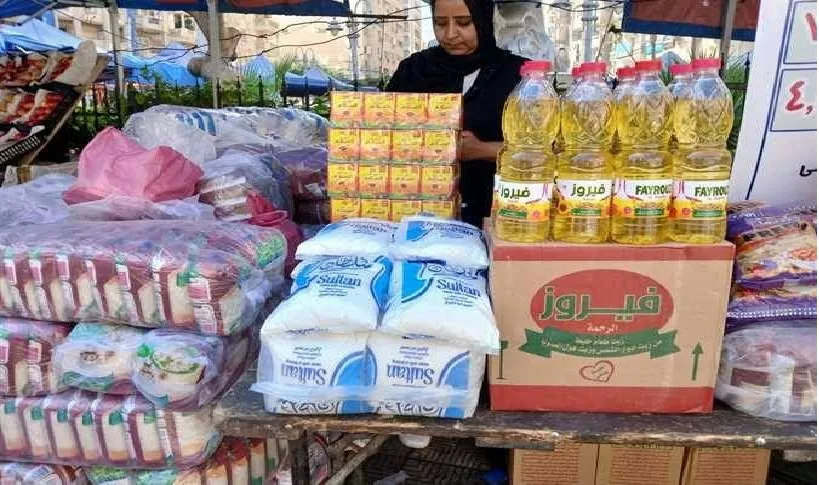
Minister of Supply and Internal Trade Sherif Farouk underscored the government’s plan to reduce basic commodity prices around the nation, especially with Egypt’s Muslims prepare for the holy Islamic month of Ramadan which will start in three months.
He cited an initiative to reduce the prices of around 30 food commodities by 15-25%.
The minister added that agencies affiliated to his ministry would seek to increase the number of outlets where these discounted commodities are sold.

