






Egypt’s energy sector has undergone a remarkable transformation over the past decade, emerging as one of the country’s fastest-growing industries.
Since 2016, Egypt has gone beyond merely increasing production. However, it sought to diversify its energy resources, reduce reliance on imported resources and attract new investments.
In spite of domestic, regional and global crises and tensions, the Egyptian state has pursued several tracks, including nuclear energy, solar and other renewable energy sources, and natural gas.
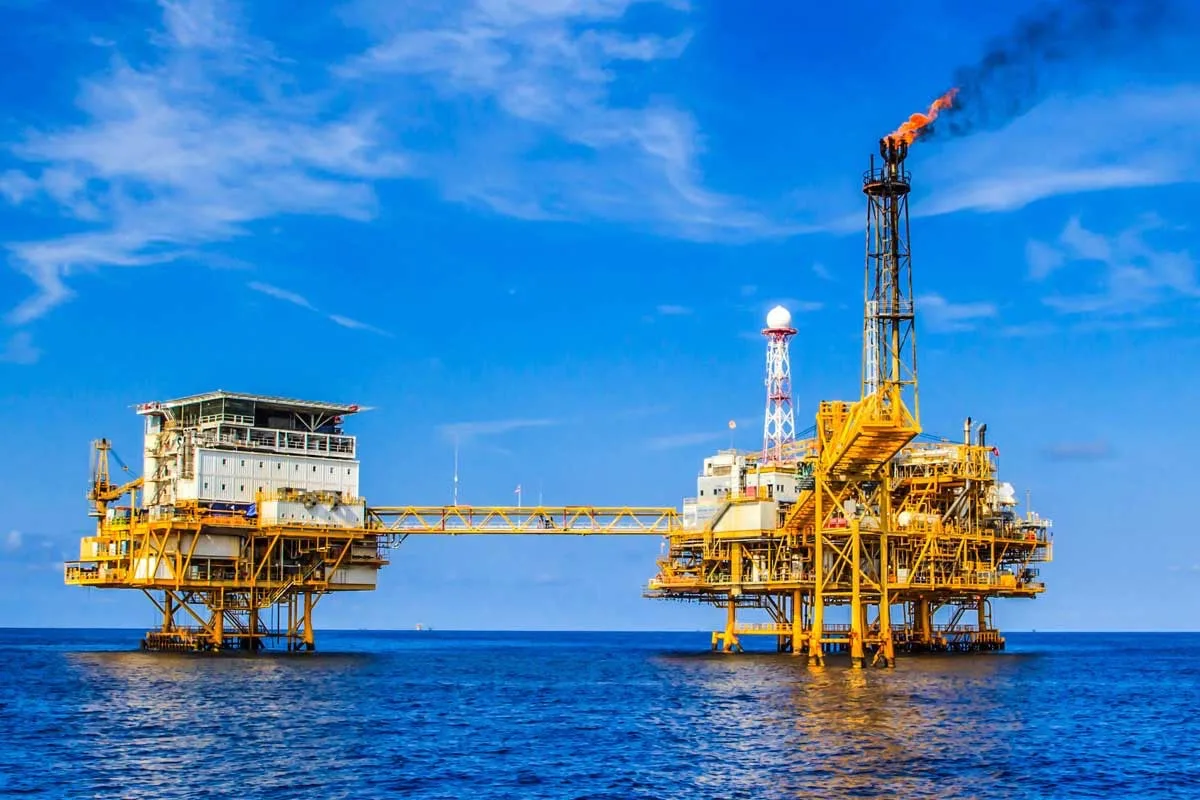
To bridge the gap between production and consumption, Egypt developed major gas fields in the Mediterranean, mainly the Zohr field. Along with other major projects in North Alexandria, Atoll and Nooros, these developments helped the country achieve natural gas self-sufficiency in 2018.
The then minister of petroleum, Tarek el-Molla, said Egypt had, thereafter, resumed gas exports, supported by its liquefaction facilities in Idku and Damietta and its ambition to position itself as a regional energy hub.
In the following years, however, domestic production was negatively impacted as regional and market conditions became more challenging.
By 2025 and 2026, Egypt had revived its exploration and drilling programmes in a serious bid to restore production momentum.
According to recent statements by Petroleum Minister Karim Badawy, the sector had stabilised by the end of 2025, while the government planned to drill around 100 exploratory wells in 2026.
BP, the British energy giant, is expanding its investments in Egypt through a four-well drilling scheme totalling $700 million.
The first well, Fayoum-4, has already started production, adding around 80 million cubic feet of gas per day to the national grid, two years ahead of schedule.
El Dabaa: The nuclear power era
The El Dabaa Nuclear Power Plant represents one of the most significant strategic transformations in Egypt’s energy sector over the past decade, marking the country’s entry into large-scale commercial nuclear power generation.
The plant comprises four Russian-designed Generation III+ VVER-1200 reactors, each with a capacity of 1,200 megawatts (MW), giving the project a total installed capacity of 4,800 MW. This is expected to account for around 10 per cent of Egypt’s electricity generation.
The project was officially launched in December 2017, with major construction work on the four units commencing in phases between 2022 and 2024.
The project recorded substantial progress in 2025 and 2026, including the installation of reactor pressure vessels at Units One and Two, as well as the start of steam generator installation at Unit One in October 2026.
Minister of Electricity and Renewable Energy Mahmoud Esmat said the project would support the transfer of nuclear technology to Egypt, promote the localisation of related industries and diversify the country’s energy mix.
Current plans envisage the operation of the first two units in 2028, followed by the remaining two in 2029.
Renewable energy expansion
Egypt has attracted significant investment in renewable energy, supporting efforts to meet growing energy demand and strengthen its position as a regional energy hub.
According to Electricity Minister Mahmoud Esmat, the country’s installed renewable energy capacity reached nearly 9,516 MW by mid-2026.
This includes 3,500 MW of solar power, 3,034 MW of wind power and 2,982 MW of hydropower, alongside battery storage capacity of approximately 500 MWh.
The government aims to add a further 1,700 MW of renewable energy capacity by the end of 2026, increasing total installed capacity to around 11,216 MW.
Electricity storage capacity is also expected to rise to approximately 1,220 MWh.
By 2030, Egypt plans to increase the share of renewable energy in its energy mix to more than 42 per cent, with a longer-term target of exceeding 60 per cent by 2040.
Meanwhile, wind energy projects in the Gulf of Suez and Red Sea regions are being expanded, including a planned 2,000 MW wind farm. To support the localisation of clean energy technologies, the government also intends to establish Egypt’s first wind turbine manufacturing plant.
Solar Energy: Generation and storage
The Benban solar plant in Aswan marked a key turning point in expanding solar energy in Egypt, with a total capacity of around 1,465 megawatts.
The plant is linked to the national grid through an advanced control system and transformer stations.
In addition, Egypt has sought to integrate generating power with electricity storage systems. In January 2026, the first phase of the “Obelisk” project in Nag Hammadi was inaugurated, with a total of 500 megawatts of solar capacity and 200 megawatt-hours of battery storage, part of a project with a total planned capacity of 1,000 megawatts.
Furthermore, the 1,000-megawatt “Abydos 2” project in Aswan is currently being developed, combining a 600 megawatt-hour storage system.
These initiatives are part of the state’s strategy to address the variable nature of solar energy and ensure its utilisation during peak times.
Egypt’s investments in natural gas, nuclear power, solar energy and wind demonstrate a broader strategy to diversify the national energy structures and reduce reliance on a single source.
Moreover, Egypt has been making greater efforts to strengthen electricity networks, expand storage systems and enhance regional energy links.

