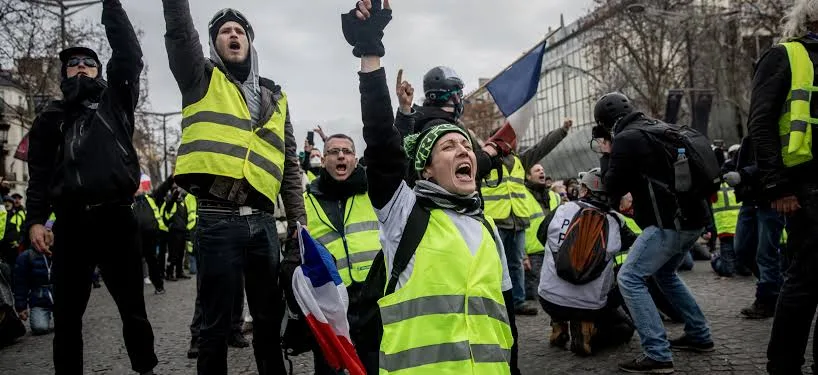





Tens of thousands of people are expected to protest across France on Saturday, as students, trade unionists and remnants of the Yellow Vest movement join forces to demonstrate against high prices and the country’s fraying social model.
The initial wave of protests began last month at high schools in Paris’ poor northern suburbs, where anger over teacher absences and shabby facilities quickly morphed into a nationwide movement against inequality, weak public spending and falling standards.
The protests come at a difficult time for France, as President Emmanuel Macron enters the final stretch of his presidency, leaving behind a polarised electorate and a fragmented domestic political situation. Investors ditching French debt, driving borrowing costs to their highest levels in more than two decades, have also underlined the country’s long struggle to get its public finances in order.
Prime Minister Sebastien Lecornu said on Thursday that authorities fear unrest during the protests. The government blames the hard-left France Unbowed (LFI) for inflaming the protests, an accusation LFI denies.”This is a moment of fatigue in the country,” Lecornu said. “We are in an atmosphere of perma-crisis: wars, inflation, and issues surrounding purchasing power.
“Opposition chief Jordan Bardella, whose far-right National Rally leads in the polls ahead of next year’s presidential election, said he expected violence.
“I’m extremely concerned,” he said during a visit to the Paris car show. “It will be a day of chaos for France.”
Lecornu has said the protests have been among the most violent in decades, with more than 900 police injured since the start of the protests. The police have also drawn criticism for their response due to a grisly list of injuries, including one adolescent who had his hand blown off after picking up a stun grenade.

