




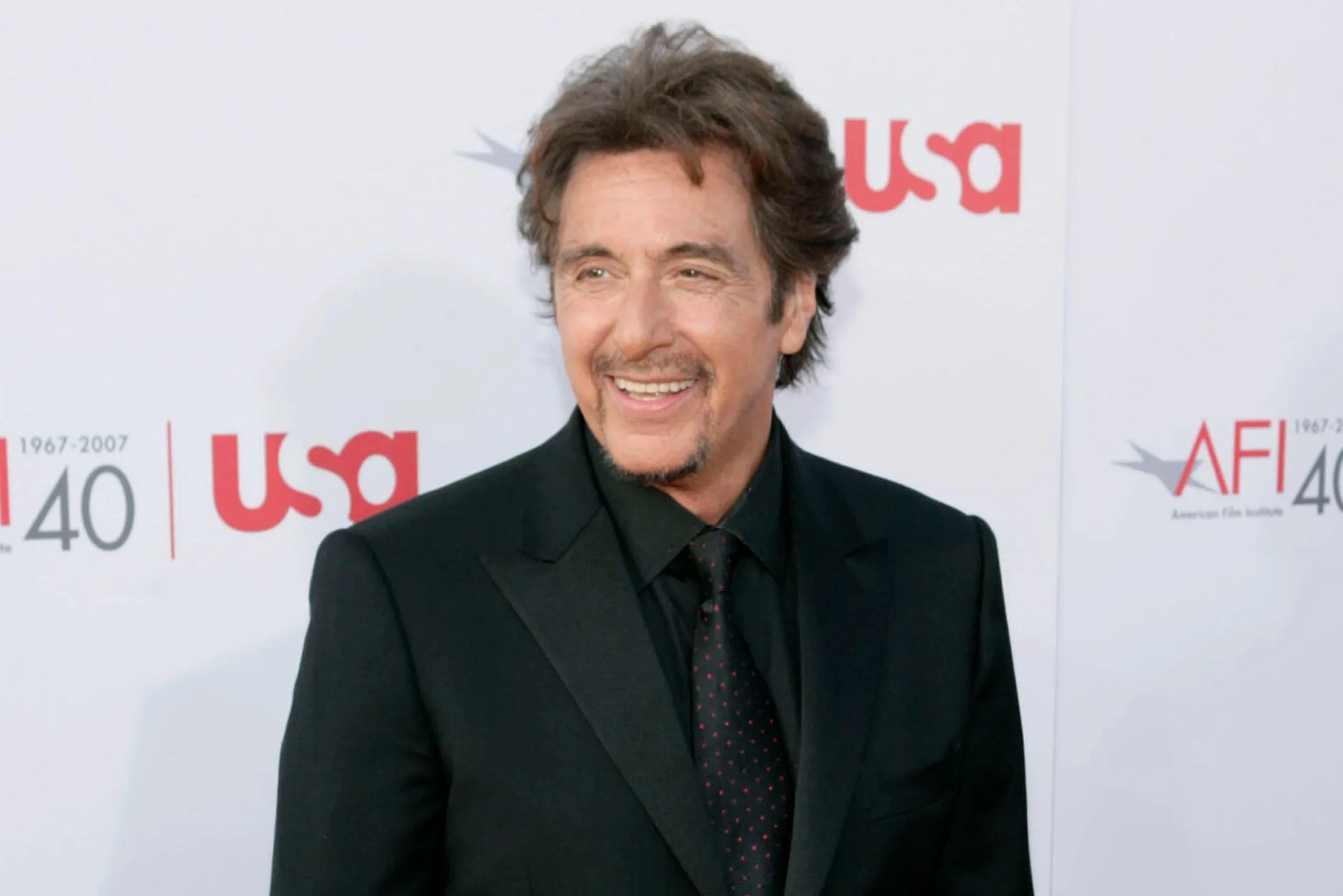





Moderate candidate US Rep. Haley Stevens and progressive favorite Abdul El-Sayed were in a tight race for Michigan’s Democratic US Senate nomination early on Wednesday.
Both addressed supporters, saying the vote count could continue well into the day.
“We knew that this was going to be a close race, and that’s exactly what we’ve got,” Stevens said. “I am feeling fired up, and you should be too.”
The bitter and expensive campaign attracted national attention not just because the general election for the seat will help decide which party controls the Senate. It also became the most notable proxy battle between the Democratic Party’s establishment and progressive wings.
Candidates from the left-flank — including democratic socialists — have found surprising success in the party’s US House primaries, including in New York and Denver. Those races, however, were in deep-blue cities.
Michigan has a purple hue. A progressive victory here would be a more significant notch.
El-Sayed maintained a lead as initial results rolled in Tuesday night, though Stevens made up ground as Wayne County, the state’s most populous and home to Detroit, reported more votes into the night.
Wayne has historically released results later than other counties, and its voters have tended toward establishment candidates over progressives. That meant Stevens could see a boost as the counting dragged on, though that did not guarantee victory.
The crowds’ energy at each watch party was a measure of the race’s competitiveness: Early in the evening, El-Sayed’s supporters in Detroit’s Majestic Theatre cheered at the first batches of votes, before mellowing. Hours later, Stevens’ previously subdued partygoers roared as she narrowed the margin.
“Whatever happens tonight,” El-Sayed told a thinned but still energetic crowd, “we have a responsibility to ensure that we unite, unite to make sure that Mike Rogers never sees the inside of the US Senate.”
Former US Rep. Mike Rogers is the Republican nominee.
El-Sayed, a former Wayne County health director, campaigned on “Medicare for All,” campaign finance reform and ending military aid to Israel. Stevens, a four-term congresswoman, focused on manufacturing and the economy. She stressed her past victories in tough races, saying she would be best positioned to beat Rogers.
Stevens benefited from tens of millions of dollars in outside spending, including the largest investment in a race ever from the American Israel Public Affairs Committee, which supports pro-Israel candidates.
Voters also chose nominees in competitive House races and for governor. In the GOP gubernatorial primary, US Rep. John James, who was backed by President Donald Trump, beat businessperson Perry Johnson. In the Democratic gubernatorial primary, Secretary of State Jocelyn Benson defeated Genesee County Sheriff Chris Swanson.
The race will help decide which party controls the chamber in the last two years of President Donald Trump’s term. Those stakes have added heat to the rivalry, with moderates arguing that El-Sayed would have a harder time than Stevens against a Republican in the general election.
That divide was laid bare by the two candidates’ heavy-hitting backers: Sen. Bernie Sanders supported El-Sayed, while Senate Minority Leader Chuck Schumer was behind Stevens.
Stevens won election to Congress in 2018 after serving as chief of staff to President Barack Obama’s auto task force, which helped oversee the federal rescue of General Motors and Chrysler. Her campaign and allied groups have repeatedly highlighted that experience.
El-Sayed, who lost the 2018 gubernatorial primary to now-Gov. Gretchen Whitmer, cast himself as the anti-establishment candidate and argued that Democrats need to reject corporate influence and embrace a more progressive agenda.
While the candidate has said he is not a democratic socialist, he found support from some of the group’s members. That included Melat Kiros, who recently beat a longtime incumbent in a Democratic primary for a Denver-based House seat and was at El-Sayed’s watch party. Also there was Hasan Piker, a progressive and controversial influencer online.
The candidates’ differences were clear to some voters.

