


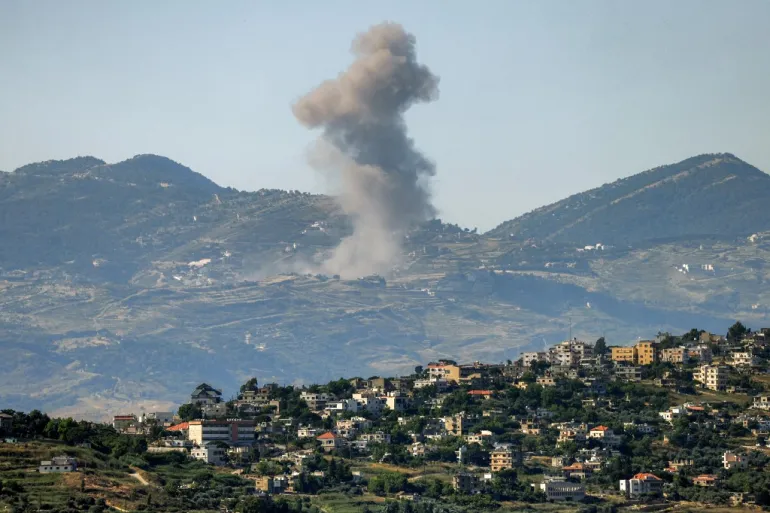






When President Donald Trump launched his war against Iran in late February, energy analysts issued dire warnings that oil prices could more than double during a protracted conflict and urged investors and motorists to buckle up for a bumpy ride.
The war grinds on and oil prices certainly remain volatile. But the most dire projections have not yet come to pass six months into a conflict that has no end in sight.
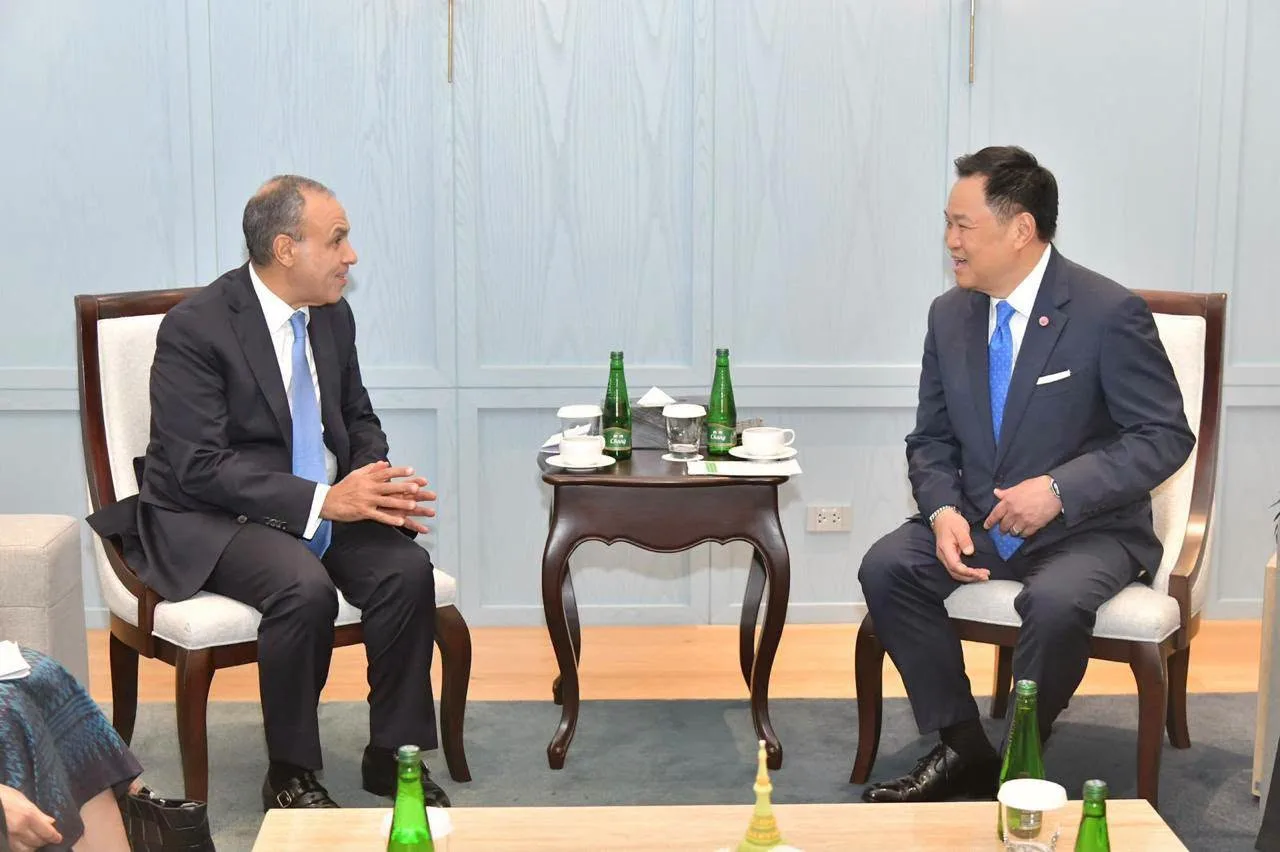
Chinese President Xi Jinping, who is making a much-anticipated state visit to Washington next week, could make a credible argument that the world has his country’s energy strategy to thank for that.
It’s unclear how much the two leaders will discuss Iran during the visit, which comes as Trump’s Republican Party faces pressure from voters over high gasoline prices, and as China’s buffer is being further tested as the conflict in the Middle East spreads.
Trump, who has sought to keep a fragile trade truce with Beijing intact, has been careful in public comments about differences with Xi over the country’s relationship with Iran.
“We’ve been free-riding off Beijing in a weird way,” said Rosemary Kelanic, director of the Middle East programme at Defence Priorities, a Washington think tank.
“China’s doing it because they understand that they’re on the train that Trump is driving off a cliff. If oil prices go way up, that hurts the global economy. If it hurts the global economy, it hurts them.”
Beijing spent years and billions of dollars amassing the world’s largest oil stockpile, building its strategic reserve to about 1.4 billion barrels by the end of last year, according to the US Energy Information Administration’s estimates.
To protect China from foreign supply risks, Xi made energy self-reliance a part of the country’s latest five-year plan.
Drawing from the massive stockpile allowed China, the world’s second-biggest oil consumer and Iran’s top buyer, to dramatically cut crude imports once the US and Israel began their bombardment and Tehran effectively closed the Strait of Hormuz.
The country was also helped by its shift toward electric vehicles in recent years and increasingly tapping into other energy alternatives.
China’s oil import diet in turn helped ease global demand, softening the upward price effects for the United States, Europe and beyond.
“The Chinese deserve credit,” said retired US Navy Rear Adm. Mark Montgomery, an analyst at the Foundation for Defence of Democracies, a hawkish Washington think tank.
“They did in 10 years what took us 25 years after the 1973 oil crisis to do: really build a kind of strategic petroleum reserve that could allow you to weather this.”

