



Six months after a conflict that rattled markets and pushed the Gulf to the brink of a wider war, the tide may be turning against Iran as Washington unleashes an unprecedented economic offensive to achieve what military force could not.
After years of surviving sanctions, Tehran is now confronting one of the harshest squeezes in the Islamic Republic’s history, according to Iranian insiders and regional sources.
A US naval blockade and tougher sanctions are curbing oil exports, restricting access to foreign currency and exposing growing strains in the economy.
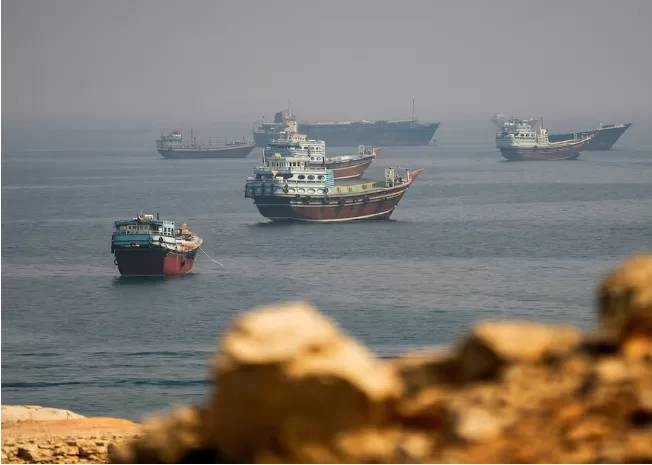
The campaign has led US and regional officials to wager that mounting economic pressure can force Tehran to allow free passage through the Strait of Hormuz, which carries about a fifth of global oil and LNG supplies.
Their bet rests on a simple calculation: Iran is suffering more economic damage than it is inflicting.
Efforts to choke off oil exports have cut state revenues, while attempts to disrupt shipping through Hormuz have not triggered the global economic shock Tehran hoped would force Washington to compromise. Energy markets have adjusted and alternative supplies have continued to flow.
“The balance of power has tilted against Iran a bit,” said Iranian analyst Arash Azizi. Iran is losing some of the leverage it had over the Strait of Hormuz because it has been unable to close it fully, he said, adding that the US naval blockade was “really hitting Iran.”
Azizi said Tehran had expected disruption in the strait to trigger a major shock to the global economy and drive Washington back to the negotiating table.
“It hasn’t happened, really,” he said. Other countries had adapted, exposing limits to Iran’s ability to inflict economic pain on the region and beyond.
Whether the pressure will force concessions remains unclear, the regional sources said. Tehran has failed to impose the costs it hoped would break Washington’s resolve but has shown little sign of abandoning demands for sanctions relief, access to frozen assets and recognition of its security role in Hormuz.
Still, a new formula for resolving the standoff is now under discussion between mediators and Iran, the sources said.

