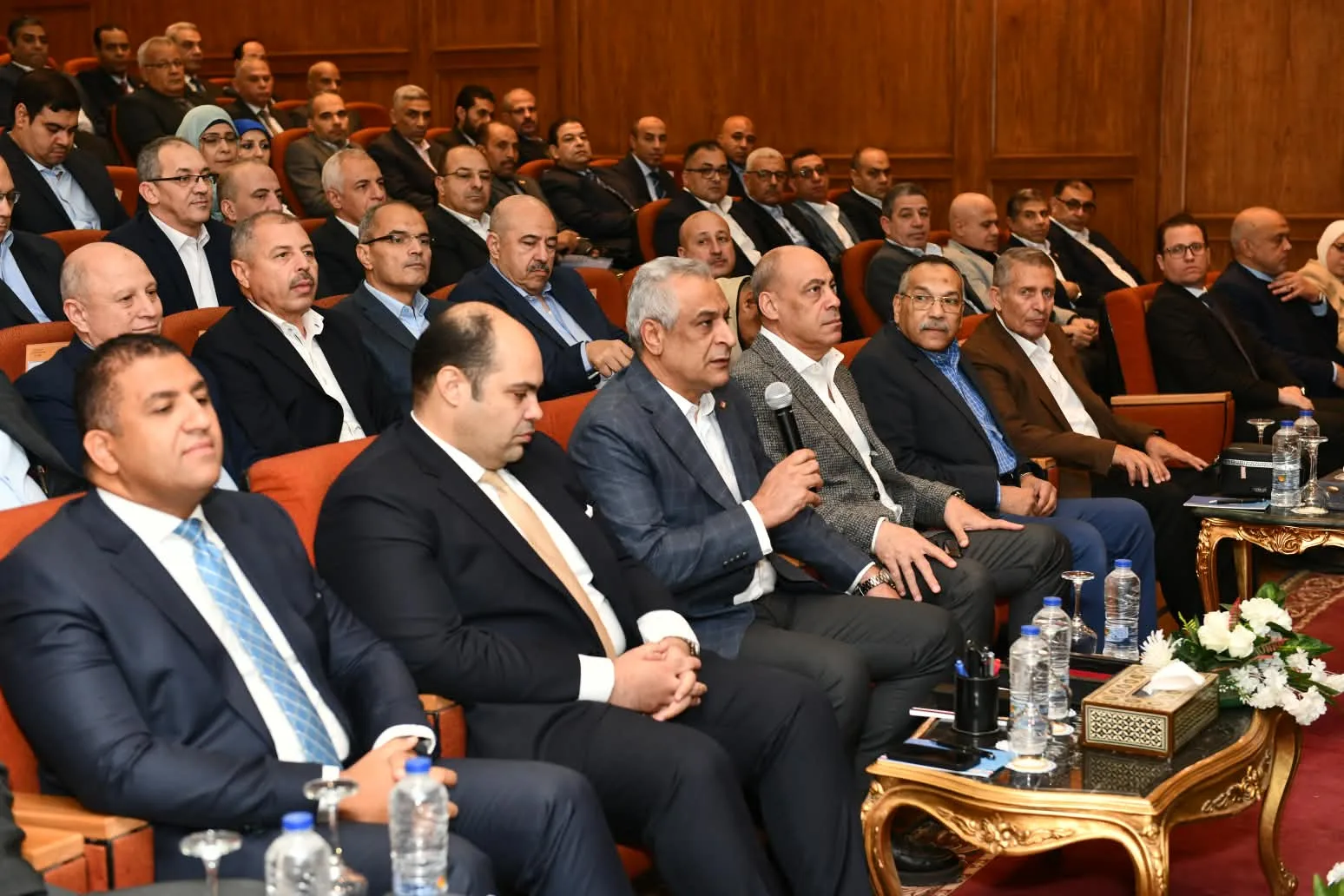





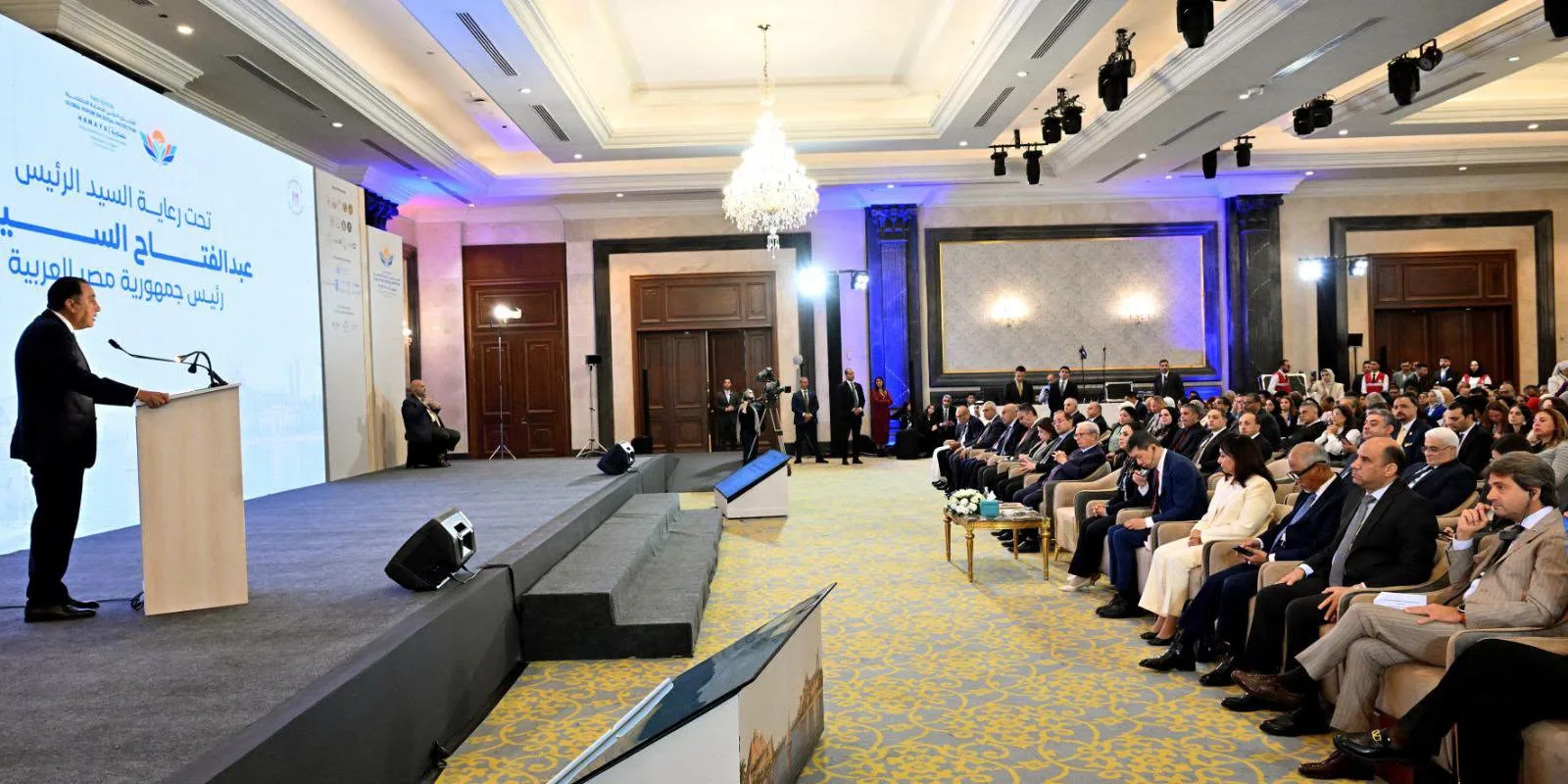


The Ministry of State for Military Production organised on Monday an awareness lecture on protecting fair competition and combating anti-competitive practices, in co-operation with the Egyptian Competition Authority (ECA), as part of efforts to strengthen governance, transparency and legislative awareness across its affiliated entities.
Held at the Ministry’s Training Sector in Salam City, the lecture brought together ECA representatives, ministry officials and specialised personnel, in line with directives from Minister of State for Military Production Salah Gomblatt to enhance employees’ understanding of competition legislation and mechanisms for addressing monopolistic practices.
The session examined the concept and economic benefits of competition, the ECA’s mandate, the state’s competitive neutrality policy and mechanisms for regulatory compliance and assessment.
It also addressed horizontal and vertical agreements, abuse of dominant market positions, their impact on markets and consumers, and available legal measures to counter them.
Gomblatt stressed the ministry’s commitment to implementing presidential directives and strengthening co-operation with state institutions to promote market competitiveness, improve the investment climate and support sustainable development.
He said the initiative reflects co-operation with the ECA to raise awareness of the Competition Protection Law and competitive neutrality, safeguard public funds and improve government performance in line with Egypt Vision 2030.
He added that developing human capital and promoting institutional compliance, integrity and transparency remain central to the Ministry’s strategy.
ECA representatives said the lecture forms part of the authority’s 2026–2030 strategy to promote competition awareness across government bodies.
They also outlined the State Ownership Policy, adopted in late 2022, which seeks to redefine the state’s economic role, empower the private sector and apply international asset-governance standards.
Particular attention was given to preventing collusion in government procurement, including tenders, auctions, competitive procedures and direct contracting.
Participants examined prohibited co-ordination among bidders and suppliers, factors facilitating collusion, warning signs and reporting procedures.