











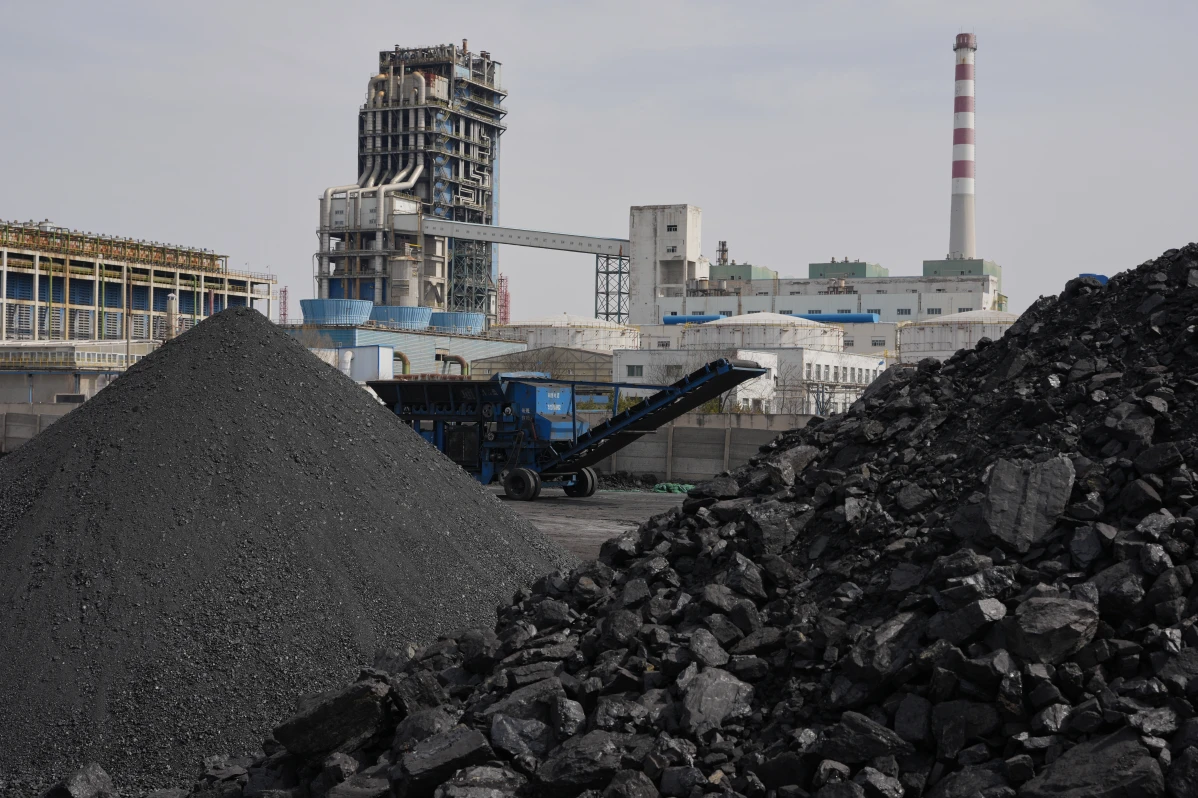
Addressing the UN General Assembly in 2021, Chinese President Xi Jinping pledged to stop funding overseas coal power plants in an effort to help curb climate change.
Five years later, as the assembly meets this week, the world’s climate commitments are dangerously offtrack, and the phase down of coal is inching along.
So far, China has canceled the majority of the coal plans it had planned in 2021, according to a new report released this week to align with the General Assembly and New York Climate Week.
This is a small bright spot in global efforts to counter climate change, which has driven deadly disasters in Asia in recent months.
But experts have warned that Chinese companies are taking advantage of regulatory loopholes to skirt Xi’s promise and continue investing in overseas coal.
As a key infrastructure funder in the Global South, and as the global leader in electric vehicle, solar panel and wind turbine manufacturing, China is setting the tone for the transition to renewable energy across Asia and Africa.
That’s why experts have stressed the importance of Beijing’s commitment to its 2021 pledge.
Xi skipped the UN meeting this week, in favour of a summit with US President Donald Trump, and sent Chinese Vice President Han Zheng to New York instead.
Han addresses the General Assembly on Saturday.Back in 2021, the UN climate agency optimistically declared that coal was “consigned to history” after nearly 200 countries agreed to phase down the fossil fuel.
But after two energy shocks from the Russia-Ukraine War and the Iran war, the need for “energy security” is altering the future of coal in hard-hit regions, like Southeast Asia.
The energy-hungry region is often referred to as “China’s backyard” and is a major recipient of Chinese funds.
The diverse region, which accounts for a fifth of the world’s growing energy demand, depended heavily on fossil fuel imports from the Middle East.
The closure of the Strait of Hormuz hit Southeast Asia first and hardest, sending governments into a state of energy triage. Multiple nations have ramped up coal use to survive the crisis, which has also signalled to governments the need for renewable energy.
Regional nations are investing in rooftop solar, incentivising electric vehicles and exploring nuclear power.
While renewable energy is expanding quickly, coal remains indispensable in Asia.
“The growing desire among countries in Southeast Asia to secure reliable energy supplies could bring about another round of coal fever,” said Li Shuo, director of the Asia Society Policy Institute’s China Climate Hub, which “will continue to test the resolve behind the coal moratorium.”

