



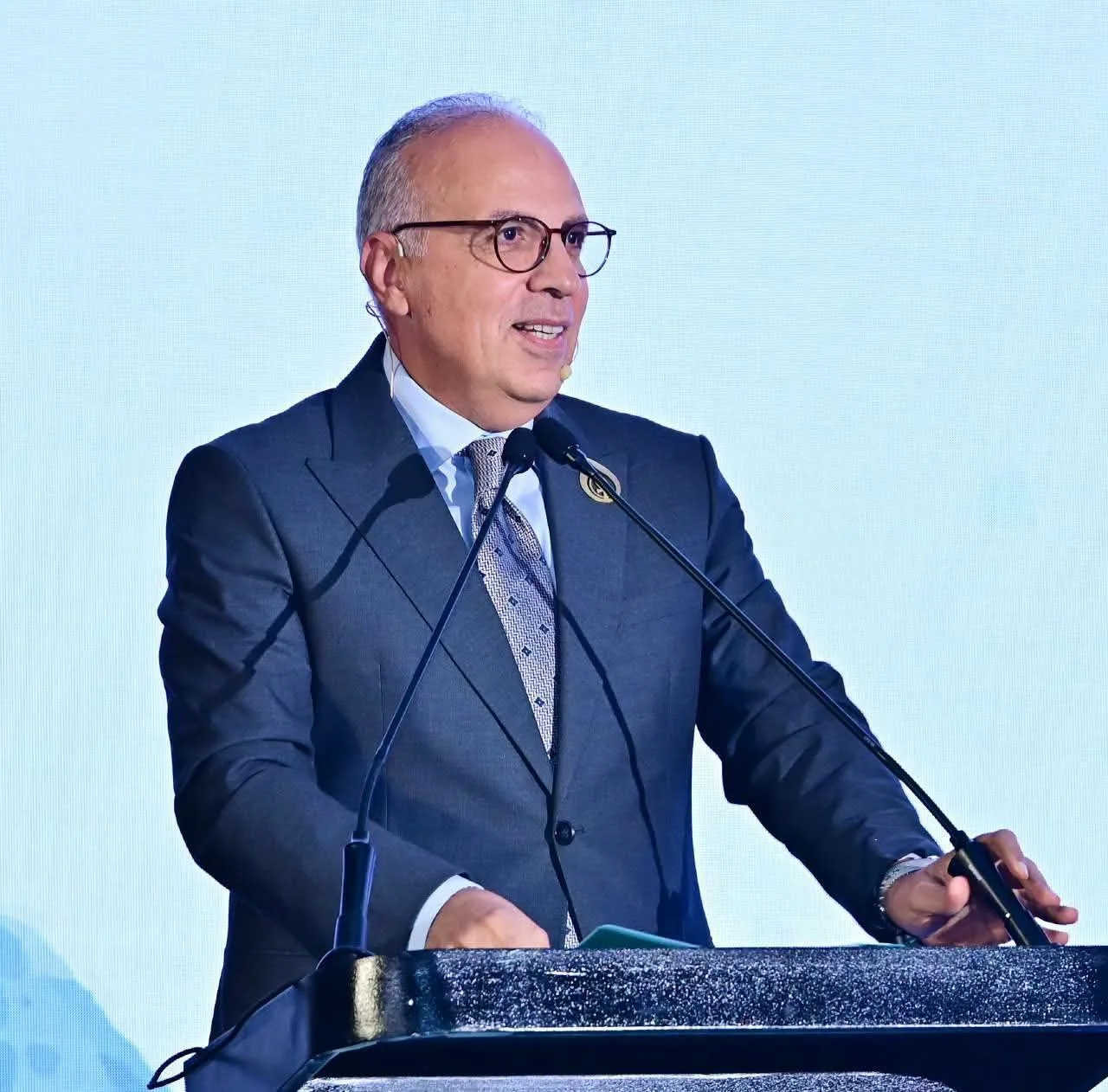



Dr Ashraf Abul Saud
Is Africa truly a continent without history? The answer exposes how the West views this vast, vibrant land, and how it chooses to treat it.
The Western imagination of Africa is not built on mere accidents or out-dated colonial sketches.
Its distortions have only deepened in the post-colonial era in what we might call “soft colonialism”.
The main weapons? Literature, cinema, and media. These tools have played a central role in cementing a Eurocentric stereotype: Africa as primitive, chaotic, and in perpetual need of rescue.
Go back to the early 20th century, and you will see Western filmmakers, especially from Hollywood, deliberately shaping this image, a pattern that persists today.
Disney films often paint Africa as an endless jungle ruled by animals or a backdrop for endless violence and disorder.
Think of The Lion King (1994), with its sprawling savannah lacking any trace of human civilisation, or the 1999 Tarzan, where the continent is reduced to wild forests and primal instincts.
In both, African societies and their achievements are erased, leaving only animals and chaos.
It is striking: Disney frequently gives animals sophisticated societies, complete with homes, roads, and hierarchies, while portraying African humans (or human-like figures) as savage and backward.
Tarzan himself crawls on all fours, reinforcing the notion of a “primitive” human barely above the beasts.
Other films follow the same script. Hotel Rwanda (2004) centres on the 1994 genocide, with a heroic hotel manager risking everything to shield refugees from Hutu massacres against Tutsis, aided by the UN.
It is a powerful story, yet it frames Africa primarily through horror and helplessness.
Captain Phillips (2013), starring Tom Hanks, depicts Somali communities as lawless and brutal, pirates preying on the world.
Beasts of No Nation (2015) spotlights child soldiers, linking extreme violence, poverty, and exploitation almost exclusively to Africa in the viewer’s mind.
Then there is the persistent “white saviour” trope. In Blood Diamond (2006), Leonardo DiCaprio’s character risks his life to free a black African from diamond-smuggling gangs, ultimately dying to save him.
The pattern repeats in Machine Gun Preacher (2011), where an American travels to South Sudan to rescue children from militias, implying Africans cannot escape their crises without Western intervention and patriarchal guidance.
This distorted lens does not stop at stories, but affects real people in the industry.
Sidney Poitier, the first Black actor to win an Oscar (for Lilies of the Field in 1963), once reflected on the racism he faced: “Blacks were so new in Hollywood. There was almost no frame of reference for us except as stereotypical, one-dimensional characters.”
Studies and observations from Hollywood’s history (roughly 1940–2000) show Black characters often relegated to minor, negative roles: the first to die, the menacing figure, or the loud, rude stereotype, especially for Black women.
Even streaming platforms like Netflix continue the trend, sometimes reducing Africa to crime, poverty, and sensationalized issues.
Take the Kenyan film Rafiki (2018), which tells a tender love story between two young women in a conservative society.
Though homosexuality is criminalised in Kenya, the film was banned there, but celebrated internationally, including at Cannes, feeding into a narrative that frames Africa as backward on social issues.
In the end, these soft-power tools, including Hollywood films, Disney animations, and global media, craft a false, one-sided picture of Africa.
They shape not just perceptions but policies: political, social, and security decisions that treat the continent as a problem to be managed, controlled, or “saved”, rather than a partner with its own rich history, cultures, and agency.
It is time to recognise this cinematic knife for what it is: a quiet but persistent assault on Africa’s reality.
Dr Ashraf Abul Saud is a writer and an international relations scholar.

