








Israel’s far-right government is once again pushing the limits of the Gaza ceasefire, raising concerns that the fragile truce is becoming entangled with Benjamin Netanyahu’s increasingly difficult domestic political battle.
On September 26, Israeli forces struck several areas across the Gaza Strip. According to the figures cited in the current account, the Palestinian death toll since the ceasefire came into force on October 11, 2025, has reached 1,408, with 4,916 people wounded.
These incidents are taking place against the backdrop of a highly competitive Israeli political landscape. With Knesset elections scheduled for October 27, Netanyahu faces a challenge from political opponents seeking to end his government’s tenure. On September 26, five of his political rivals agreed to co-ordinate their efforts in an attempt to defeat the current coalition.
As the election approaches, Netanyahu’s far-right coalition appears determined to project an image of strength while preventing its opponents from monopolising the political debate. The continuing military pressure on Gaza, therefore, cannot be completely separated from the broader political calculations taking place inside Israel.
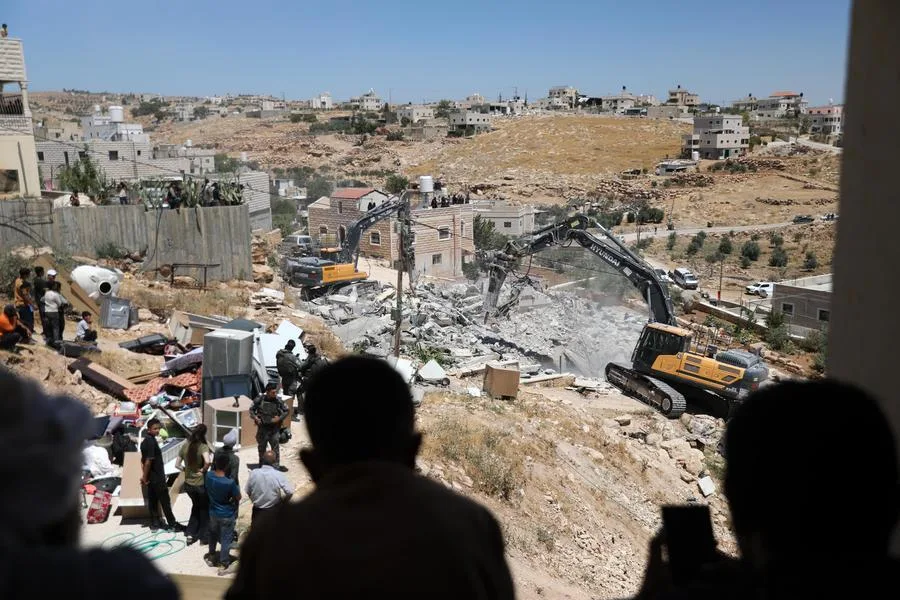
At the same time, the government has begun promoting a new settlement bloc in the occupied West Bank.
Such measures carry consequences far beyond the immediate political campaign. The expansion and consolidation of settlements further complicate the territorial contiguity required for any future Palestinian state and risk creating facts on the ground that become increasingly difficult to reverse.
Recent opinion polls indicating that several parties opposed to Netanyahu are collectively gaining ground have added another layer of urgency to that strategy.
The first requirement is therefore a clear message that violations of the ceasefire cannot become politically cost-free. Israel has already faced growing criticism from governments around the world.
The second concern is that the Israeli government may be testing the limits of that dissatisfaction. Each successive measure can serve as a gauge of how far it can go before international reaction becomes consequential.
The issue, therefore, is not simply another Israeli strike in Gaza or another settlement initiative in the West Bank. The larger question is whether the international community is prepared to defend the principles underlying the ceasefire and prevent further unilateral changes to the political and territorial status quo.
The international community should make clear that electoral calculations cannot be allowed to determine the fate of a ceasefire—or the future of an entire region.

