








Political goodwill can open doors, but economic results are what make partnerships last. For Egypt and South Korea, the challenge is now to turn a promising diplomatic relationship into a powerful engine of investment, technological innovation, and shared prosperity.
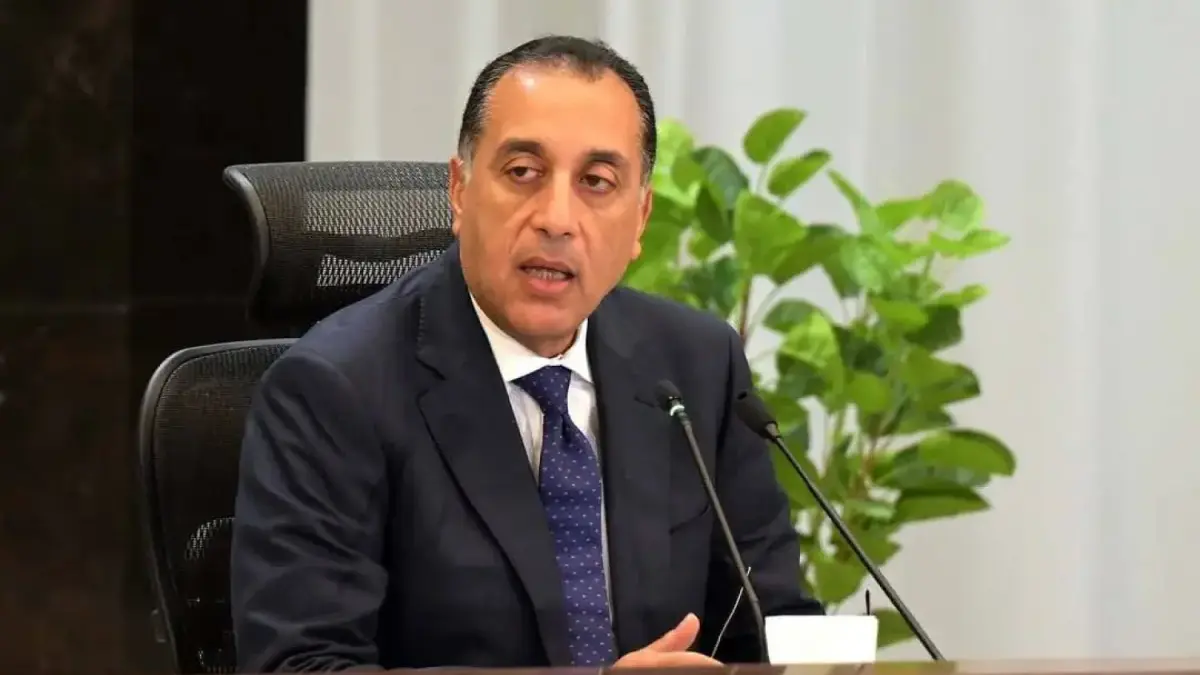
Speaking at a roundtable in Seoul with executives from leading South Korean companies and representatives of the business community, President Abdel Fattah El-Sisi reaffirmed Cairo’s determination to deepen bilateral co-operation and take economic, investment, and technological ties to new heights.
The meeting coincided with the two countries’ announcement that they had elevated their relations to the level of a comprehensive strategic partnership, marking a new chapter in their bilateral ties.
The real test lies ahead. The two countries are looking forward to translating political ambition into tangible projects that deliver lasting economic benefits. Egypt’s vision extends well beyond conventional trade.
President Sisi emphasised the importance of localising industries, transferring technology, developing skills, and encouraging innovation.
The goal is to build a partnership that strengthens Egypt’s productive capacity while offering South Korean companies new opportunities for growth. By combining Korean technological expertise with Egypt’s industrial potential and strategic location, both sides could gain a stronger foothold in regional and international markets.
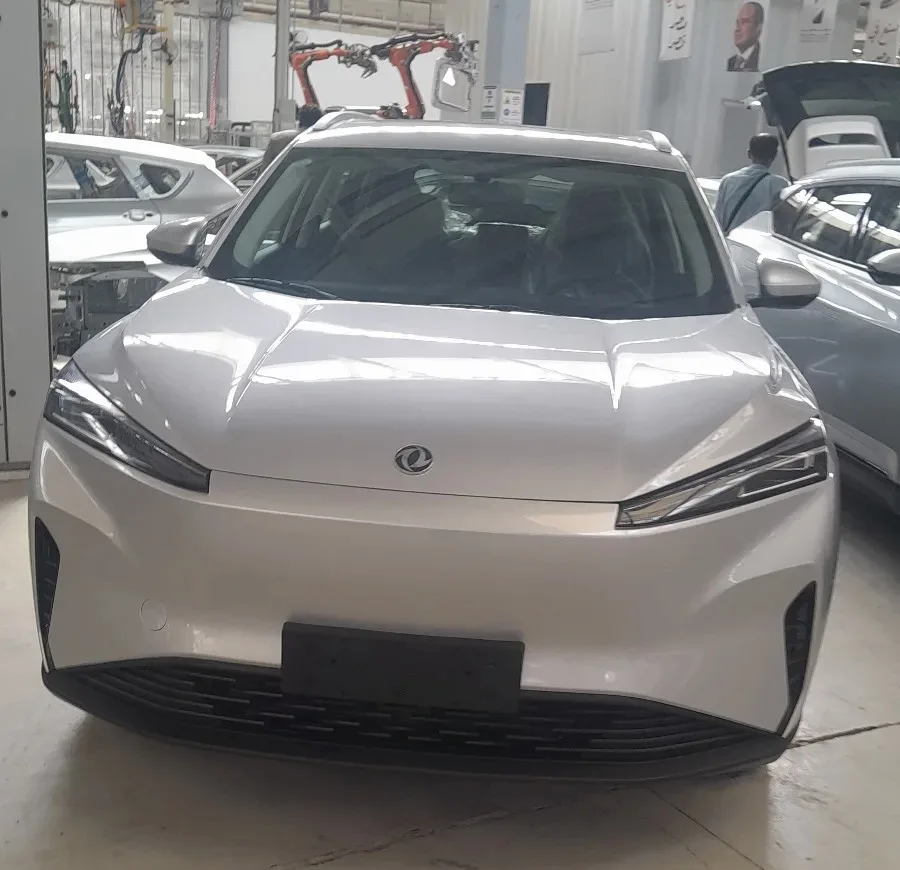
The president welcomed prospects for joint manufacturing ventures in shipbuilding, automotive production, electronics, petrochemicals, and pharmaceuticals, alongside emerging sectors such as artificial intelligence and data centres.These industries could become the backbone of a more diversified economic relationship, creating jobs, expanding exports, and helping Egyptian businesses move up the value chain.
Energy offers another promising avenue for co-operation. President Sisi called on South Korean companies to expand their investments in Egypt’s oil and gas sectors while exploring opportunities in renewable energy, including solar and wind power, as well as green hydrogen.
One of the most significant goal is the establishment of an integrated Korean industrial zone within the Suez Canal Economic Zone.
Strategically positioned along major international shipping routes, the zone could give South Korean companies a platform to access markets across Africa, the Arab world, and Europe. For Egypt, it could attract foreign capital, create employment, boost exports, and reinforce its ambition to become a regional manufacturing and logistics hub.

