



GEM on course for five million visitors
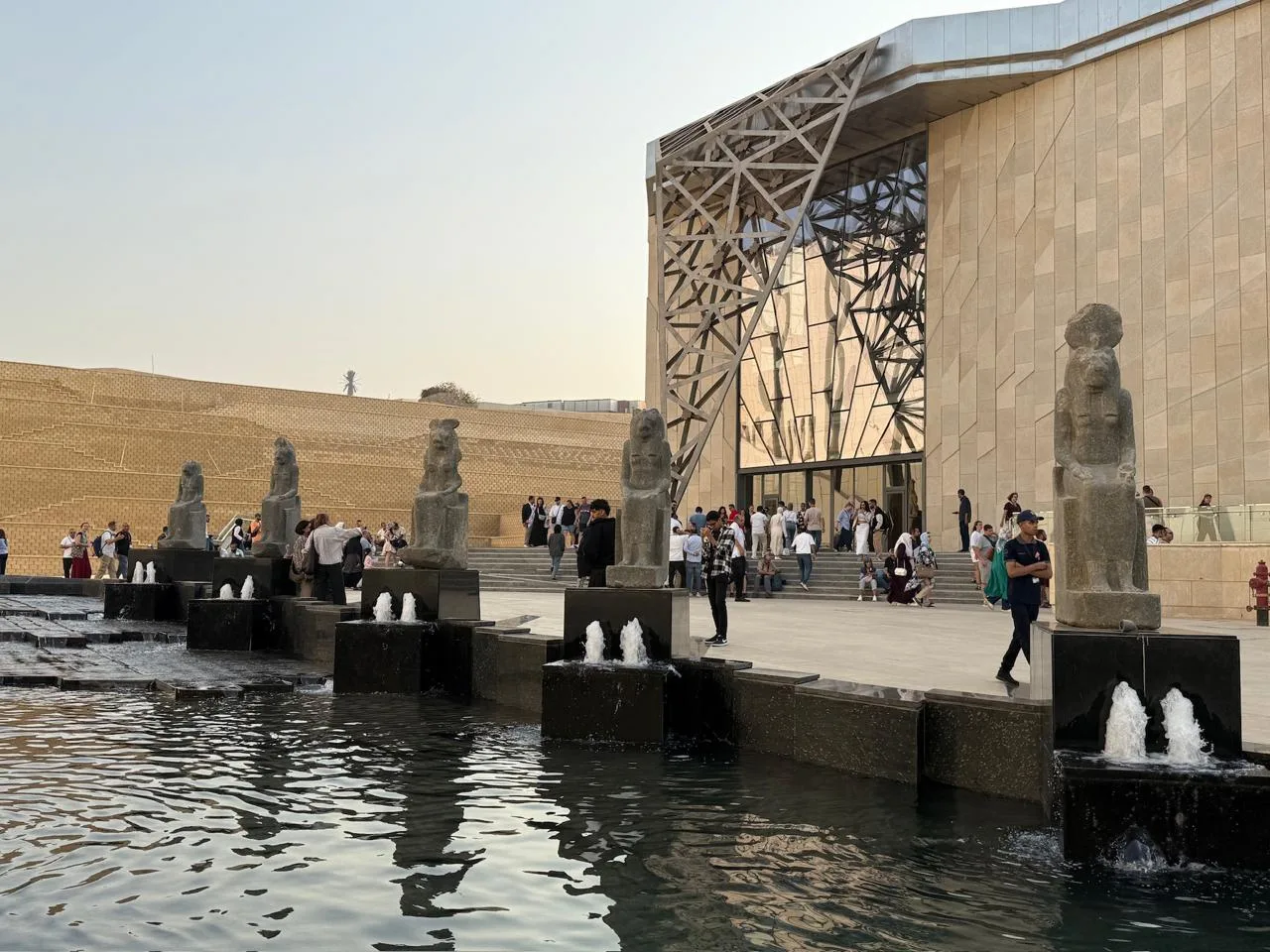
The Grand Egyptian Museum (GEM) celebrates the first anniversary of its opening on November 1, highlighting Egypt’s ancient past and its growing role in tourism, conservation, and research.
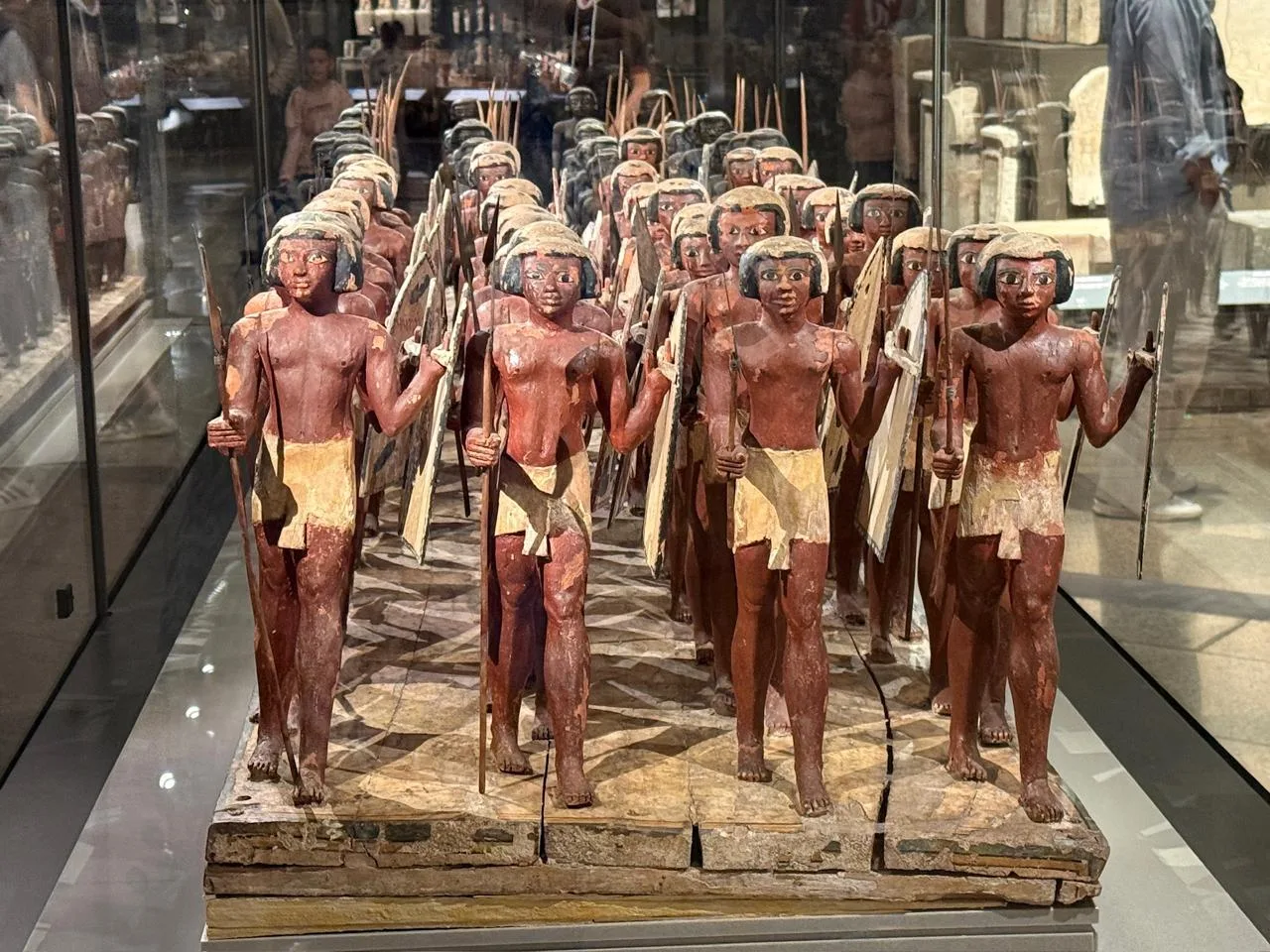
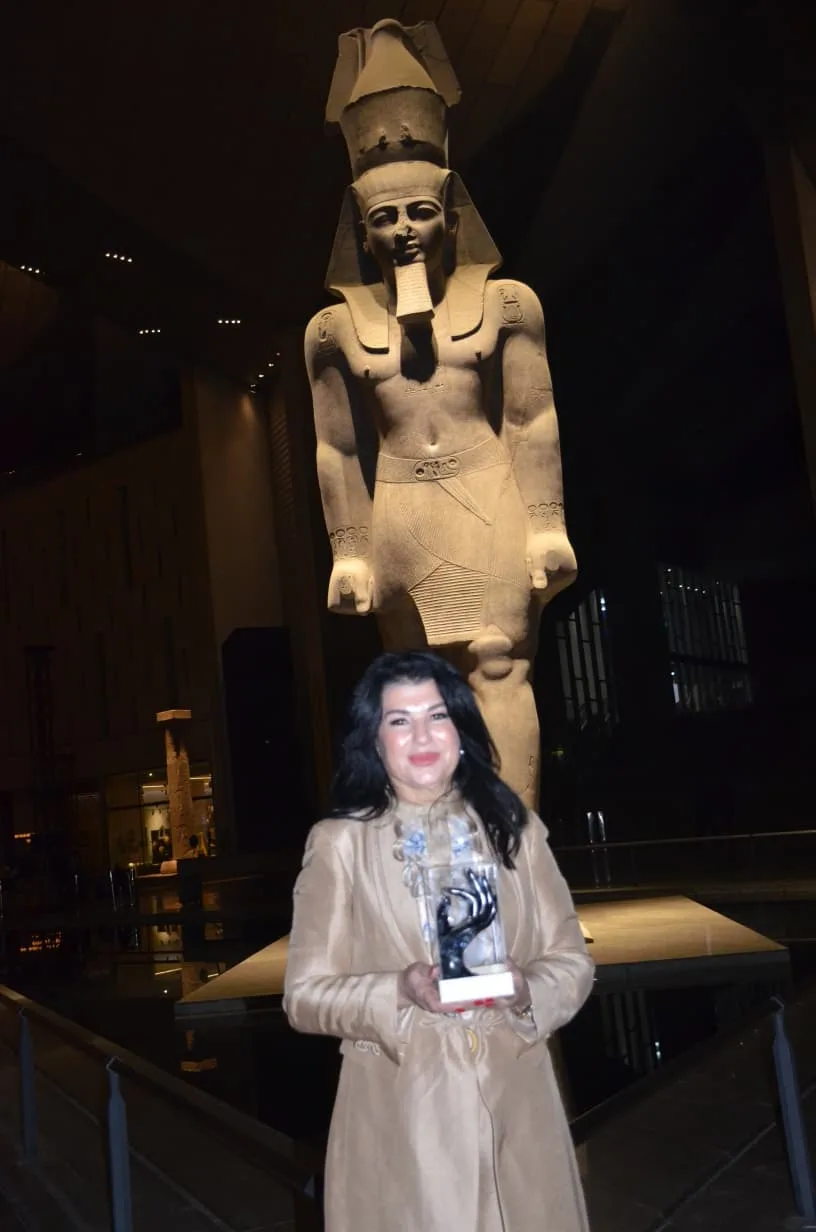
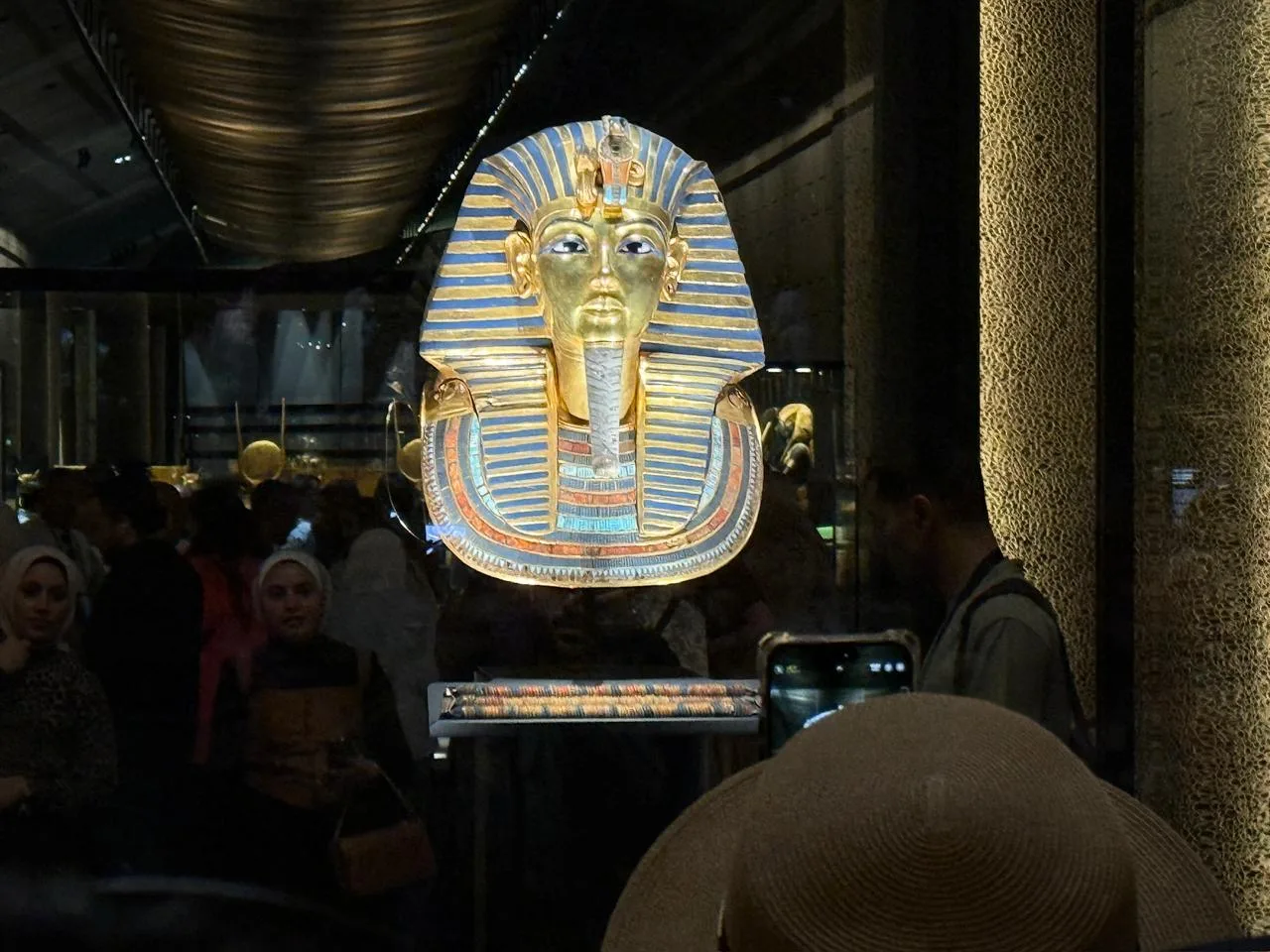
Near the Giza pyramids, the vast museum brings together the complete collection of King Tutankhamun, for the first time since the discovery of his tomb in 1922.
Visitors can also watch specialists restore and reassemble a second solar boat belonging to King Khufu, offering a glimpse of the painstaking work behind the preservation of antiquities.
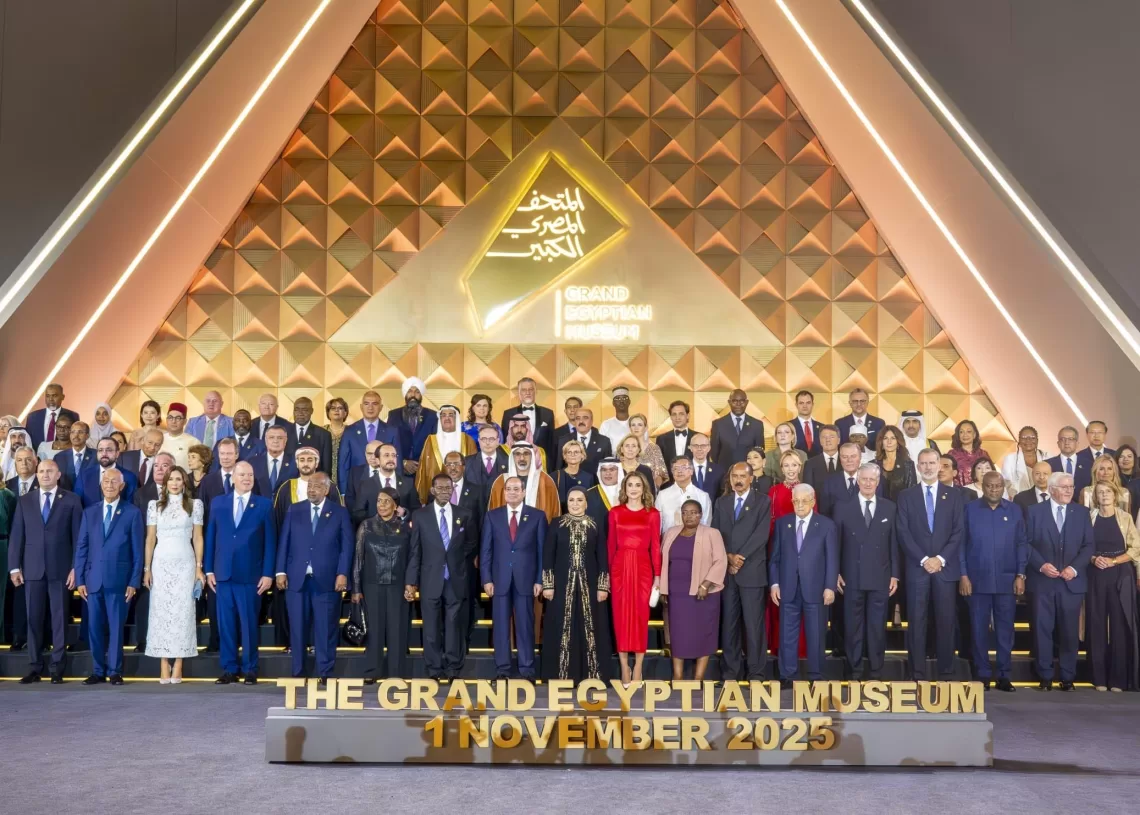
The museum’s inauguration last year was attended by President Abdel Fattah El-Sisi and 79 official delegations, including 39 led by kings, princes and heads of state or government.
For Tourism and Antiquities Minister Sherif Fathy, the anniversary is both a milestone and the start of a continuing responsibility.
“The museum represents a new way of presenting Egypt’s heritage to the world, combining the country’s history with modern displays and technology,” the minister said in a statement commemorating the occasion.
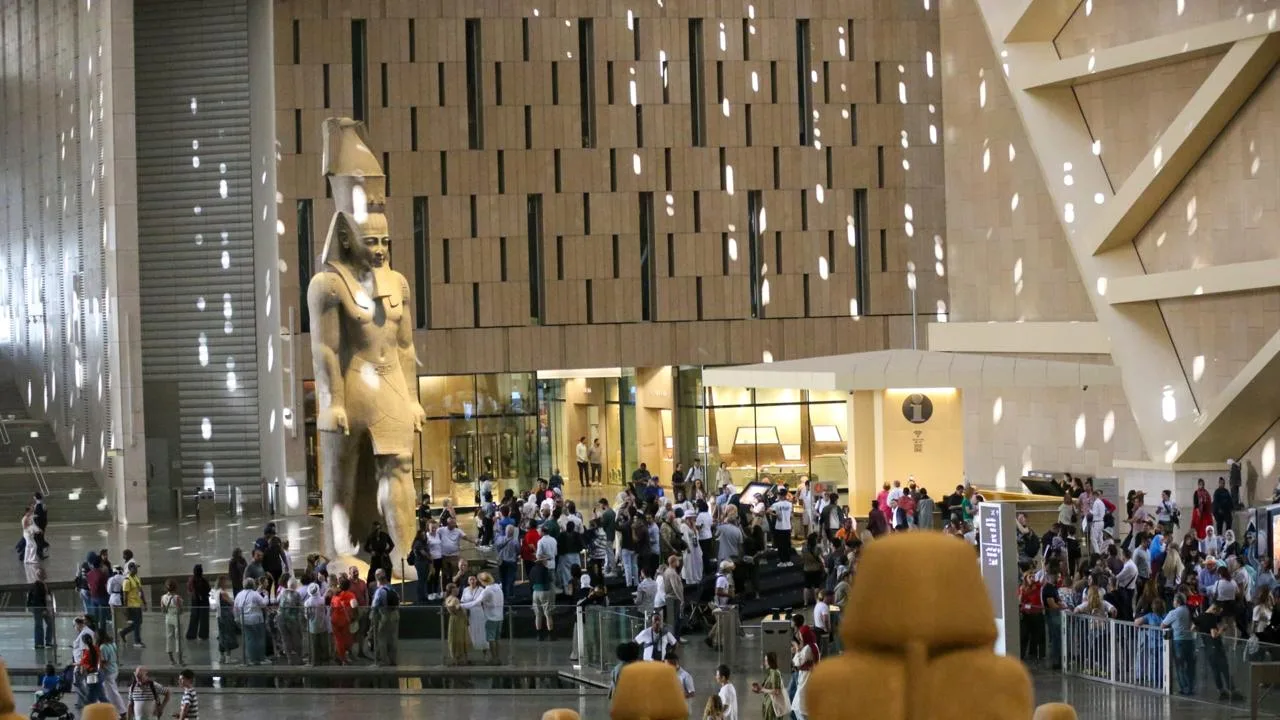
Described as the world’s largest archaeological museum dedicated to one civilisation, the facility aims to offer more than galleries. Its different sections and services make it a destination in its own right, with cultural, educational and recreational experiences.
Minister Fathy said the museum, together with the Giza Plateau, could anchor a broader cultural route connecting visitors with the ancient sites of Saqqara and Dahshur and with Historic Cairo.
The city’s Islamic, Coptic and Jewish landmarks, traditional markets and heritage crafts could help show the range of Egypt’s tangible and intangible culture, the minister said.
Such links could encourage tourists to stay longer in Cairo and combine cultural visits with other forms of tourism, supporting visitor numbers and the sector’s contribution to the economy, he added.
The museum’s mission also extends to scientific research and conservation. Its conservation centre contains specialist laboratories and modern equipment, staffed by Egyptian professionals. The institution trains specialists and works with museums and research bodies abroad to exchange expertise and support the preservation of cultural heritage, Minister Fathy said.
He described the museum as an example of how cultural heritage can contribute to sustainable economic development, by creating jobs, attracting investment to the surrounding area and supporting creative industries and traditional crafts.
“The opening … was not the end of a major cultural project, but the beginning of a new phase of work and responsibility,” the minister added.
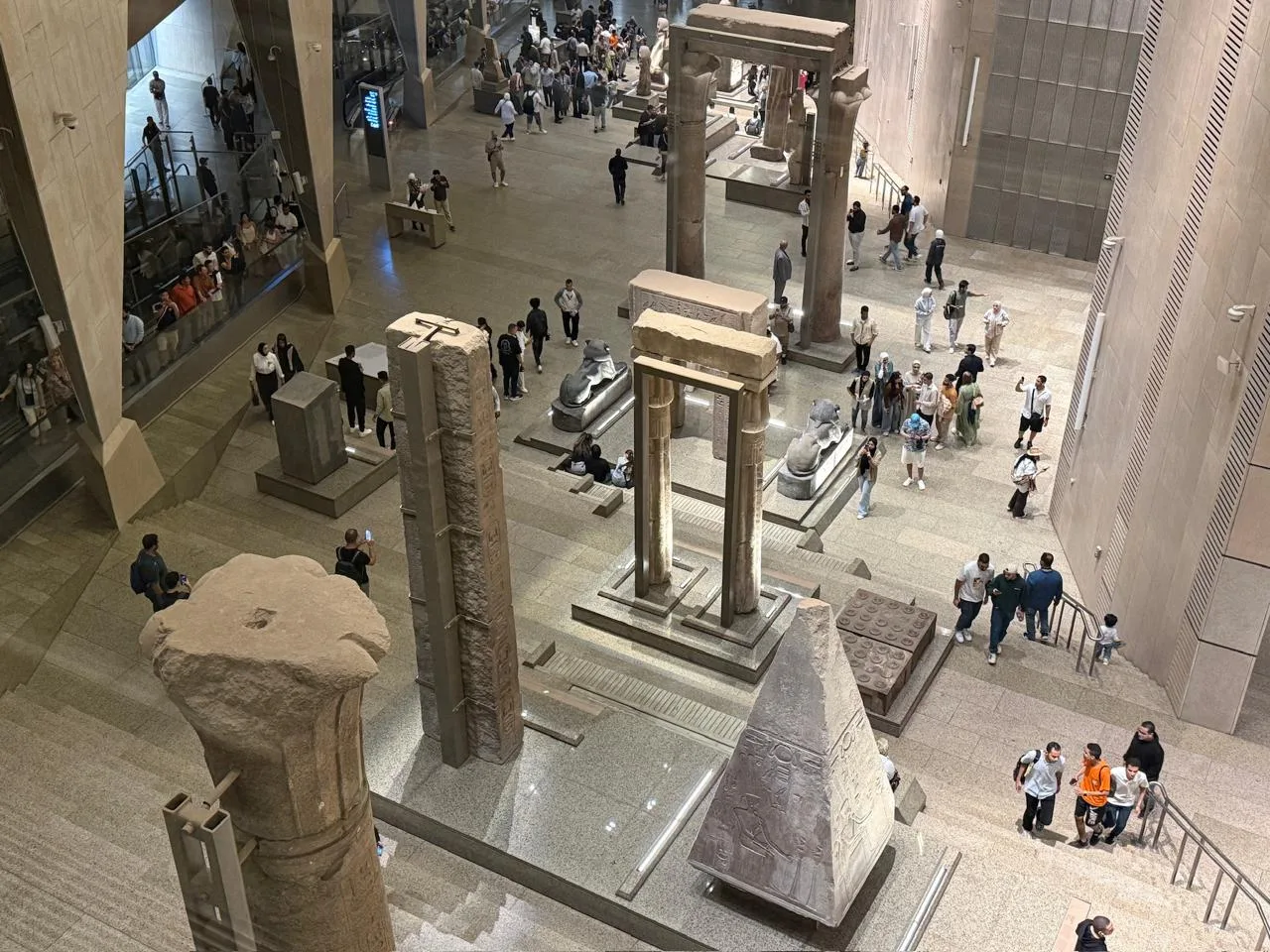
GEM CEO Ahmed Ghoneim said visitor numbers had been encouraging during the first year and forecast that the total number of Egyptian and foreign visitors would exceed five million by the end of the year.
“This reflects growing interest in the museum and its position on the global cultural tourism map,” he told The Egyptian Gazette.
Ghoneim revealed that the museum had also recorded positive financial results in its first year, with revenues covering operating costs and generating a surplus.
The figures, he added, would strengthen the museum’s prospects for financial sustainability as it maintains its cultural mission.
The museum’s visitor services are in continual adjustment in response to feedback collected through QR codes, social media and information desks.
Ticket sales have been reinstated at the facility’s windows for visitors who have difficulty booking online, while online reservations remain encouraged for faster entry.
Arrangements for official delegations and distinguished guests are made to avoid disrupting ordinary visitor flows. In exceptional cases, visits may be scheduled outside regular opening hour.
International co-operation remains part of the GEM’s plans. Work with Japan, for example, includes the restoration and reassembly of Khufu’s second boat, as well as training in archaeology, conservation, management and operations. Programmes launched in this context intend to develop staff skills and prepare Egyptian specialists to train colleagues in Arab and African countries.
A partnership with France is entering a new phase focused on completing the museum library, updating its information systems and making resources available online to researchers.
Anniversary events, which last until the end of this year, include Eternal Sun, an interactive sound-and-light show that traces periods of Egyptian history through projections on the museum’s walls and architectural spaces. The performance lasts up to 35 minutes.
Organisers said the show is designed to meet conservation requirements, with equipment kept at a safe distance from antiquities and sound and lighting levels controlled under the supervision of archaeology and conservation specialists.
Minister Fathy said the next phase would focus on improving the visitor experience, expanding cultural and artistic events, strengthening research programmes and training specialised staff.
“The aim is to attract new audiences and establish the museum as a destination that invites repeat visits and fresh encounters with Egyptian civilisation,” the minister said.