





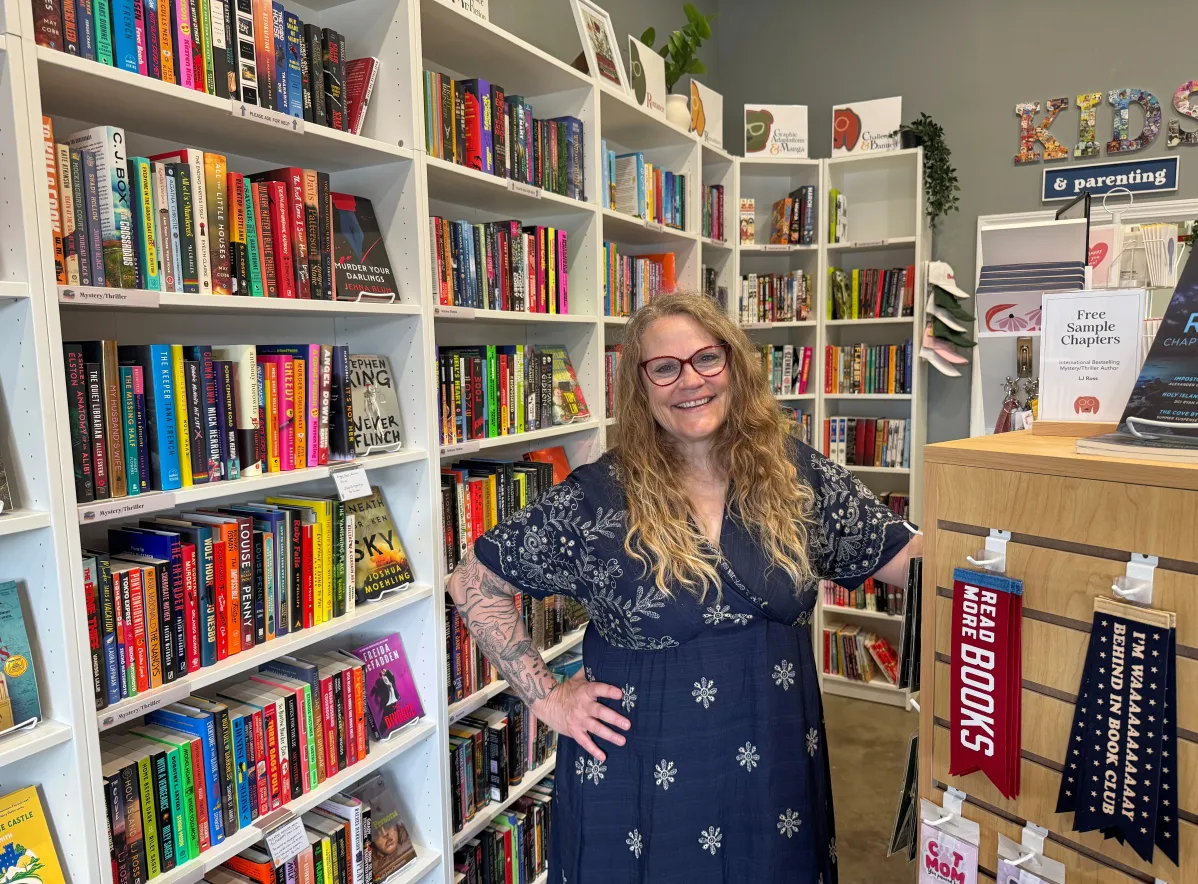
Allison Hill, CEO of the American Booksellers Association, is used to strangers expressing sympathy when they learn what she does for a living.“It’s all so funny,” she says.
“When I tell them I run the trade association for independent stores, they’ll say, ‘It’s just so sad that they’re disappearing.’ I don’t think they’re really keeping track, or they just know about a store that closed or heard about one closing.”
The decline of physical bookstores remains so embedded in popular culture that the man dating Anne Hathaway’s character in “ The Devil Wears Prada 2 ” laments that bookstores are “getting downsized and consolidated.”
But the decline actually ended years ago, and the latest numbers from the American Booksellers Association show independent stores expanding at a pace not seen this century.
Membership in the ABA grew by more than 500 over the past year, to a total of 3,417 (at 3,783 locations), nearly triple what it was a decade ago and the highest level since the late 1990s. The surge included stores of various kinds — general interest shops like Hey Books! in San Diego; mobile stores like the Wandering Quills Bookshop in Westerville, Ohio; pop-up stores like Banyan Books in St. Petersburg, Florida.
Many of the new members reflect the current boom in romance, fantasy and their hybrid, romantasy, whether the Spicy Librarian in Denver or the Flutter Romance Bookstore in Austin, Texas: “Where butterflies begin. And every story ends in happily-ever-after,” according to its website.
Independent bookselling, rarely a way to get rich, is a meeting ground for idealists — for young people with a sense of mission, retirees embarking on a new life or middle-aged people no longer satisfied with their careers. “I think people want to realign their lives with their values,” Hill says.
In Wentzville, Missouri, 55-year-old Kelley Hartnett is a marketing consultant and copywriter who had always wanted to run a bookstore.
Her husband’s concerns included competing against Amazon, but Hartnett went ahead and opened Double Dog Bookshop in 2025 as a mobile store. She rode about the area in a converted cargo trailer, joined by two Australian Cattle Dog mutts, and has since opened a storefront downtown.
“For me, Double Dog is about maybe 50% books and 50% community,” says Hartnett, who hopes to find a larger space that would make it easier for customers to gather and “just be.”
“People are craving connection, especially in-person connection,” she said. “People are over the internet and virtual meetings and algorithms.They’re not the same as having a human to human connection. It feels really healing.”Hill can joke about the mistaken elegies for bookselling, while expressing concern that the state of independent stores is healthy but “precarious.”
Costs are high, and schools and libraries face budget cuts that limit their purchases from local stores.

