






Egypt’s Prime Minister Mostafa Madbouly has reaffirmed Egypt’s commitment to expanding economic, investment and scientific co-operation with Slovenia, highlighting opportunities to strengthen trade, maritime connectivity, industrial partnerships and labour mobility between the two countries.
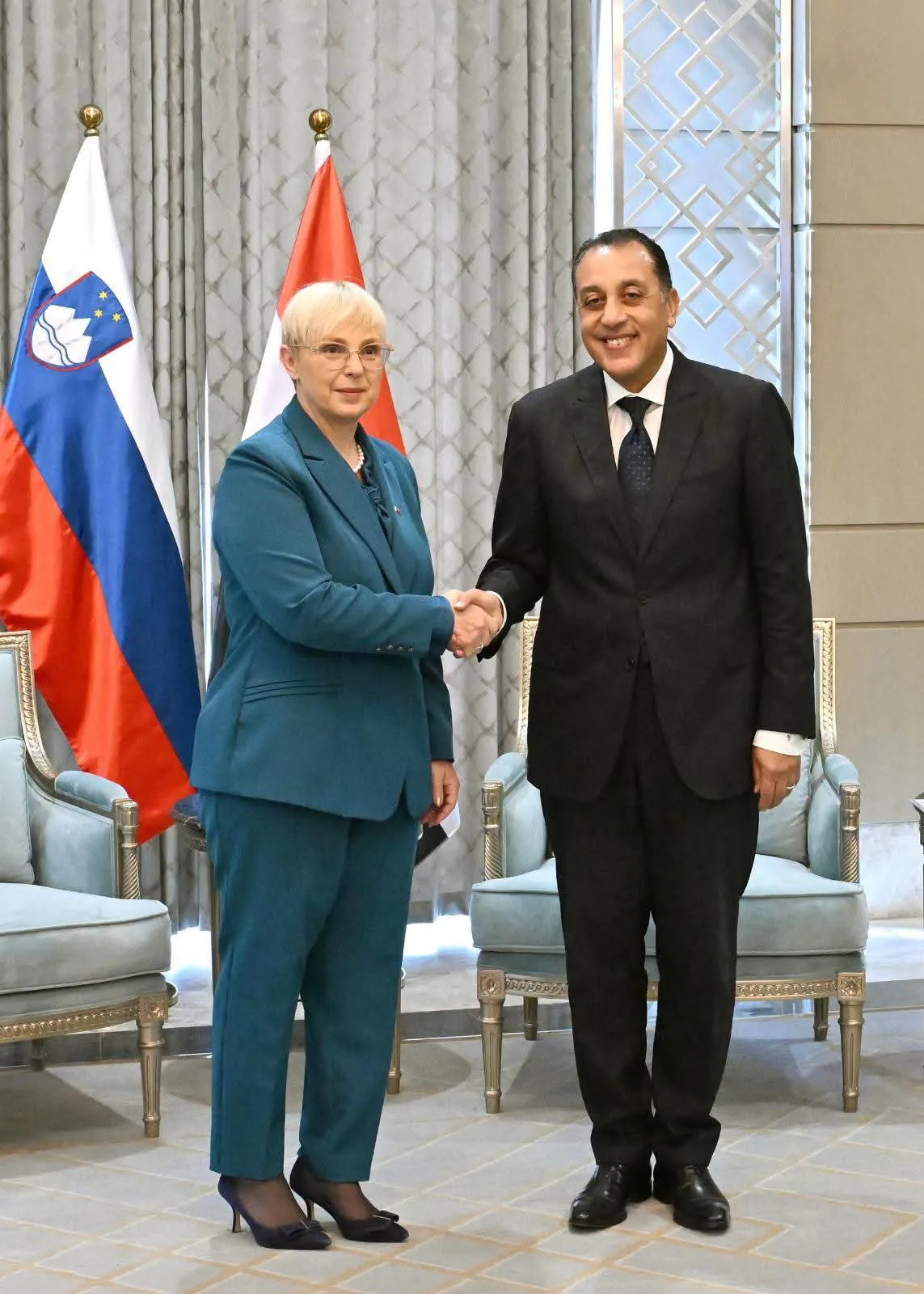
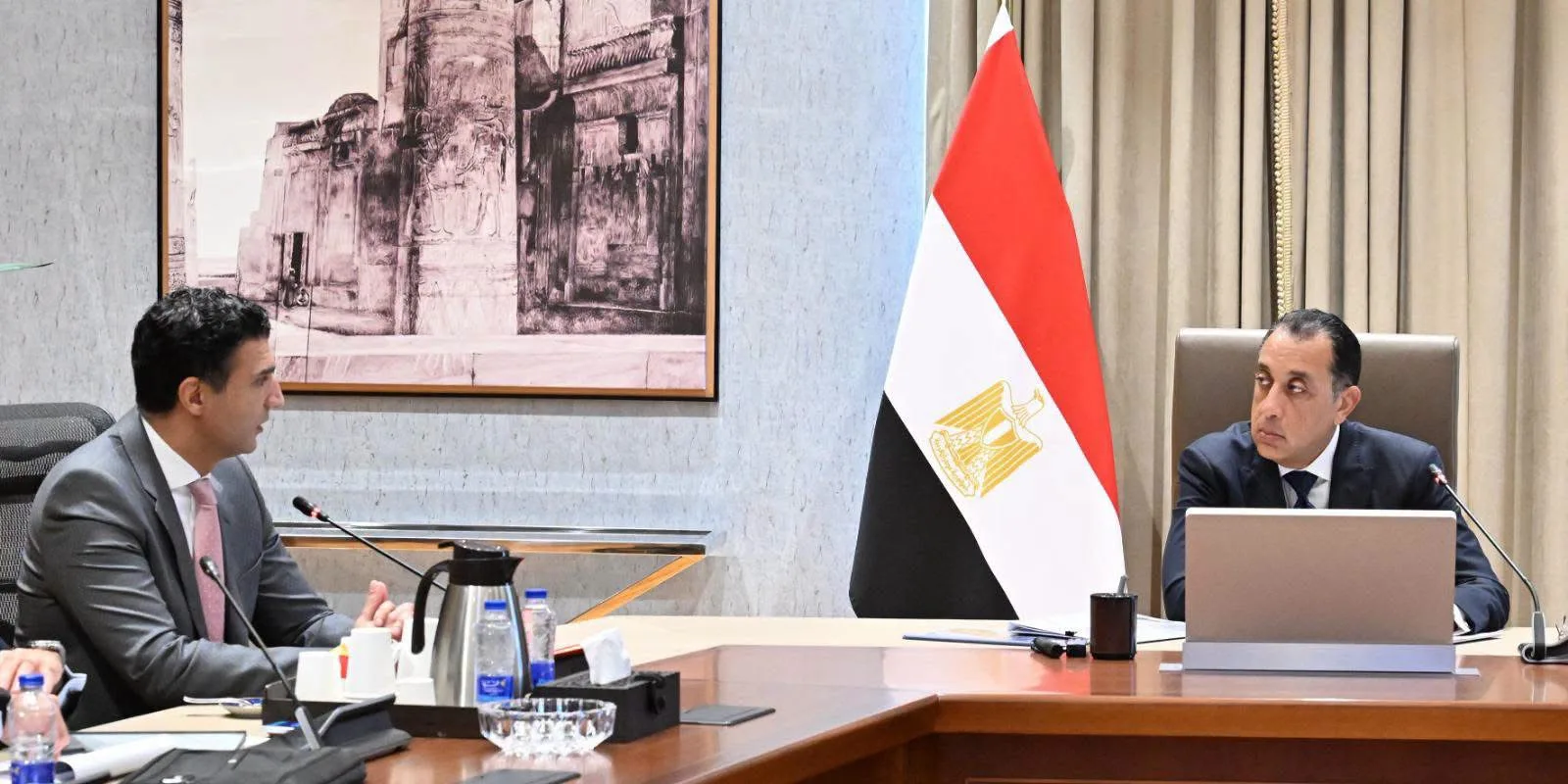
Madbouly made the remarks during a meeting with Slovenian President Nataša Pirc Musar and her accompanying delegation at the government headquarters in the New Capital.
During the meeting, the prime minister highlighted the longstanding friendship between the two countries, dating back to Slovenia’s independence in 1991, noting that Egypt was the first Arab and African country to recognise it.
He expressed Egypt’s ambition to increase trade and investment, inviting Slovenian companies to benefit from investment incentives, particularly in the Suez Canal Economic Zone, and use Egypt as a gateway to Arab and African markets.
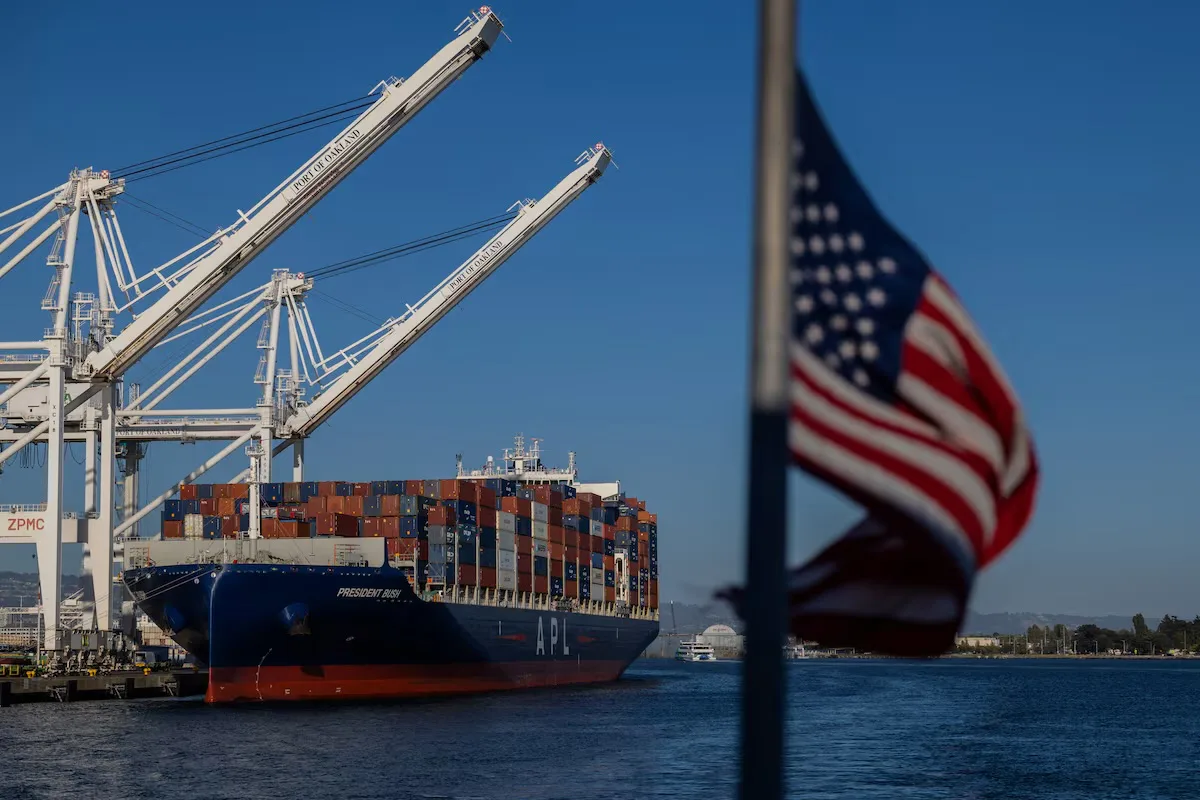
He also highlighted the presence of Iskraemeco, part of Elsewedy Electric, in Slovenia’s energy sector, and called for expanding maritime co-operation between the Port of Koper and Egyptian ports, including Alexandria, Ain Sokhna and Damietta, particularly in container handling and logistics, to facilitate exports to European markets.
Madbouly proposed an agreement to facilitate the employment of Egyptian workers in sectors facing labour demand in Slovenia.
He also outlined opportunities for co-operation in energy, including electricity interconnection with Greece and linking Cypriot gas fields to Egypt’s infrastructure, as well as scientific research and scholarships for outstanding Egyptian students at Slovenia’s Jožef Stefan Institute.
The prime minister praised Slovenia’s positions on international law and humanitarian law, particularly regarding Palestine, Gaza and the West Bank.
For her part, Slovenian President Musar expressed her country’s keenness to expand co-operation with Egypt in science, artificial intelligence, chemical and biological research, tourism and automotive manufacturing.
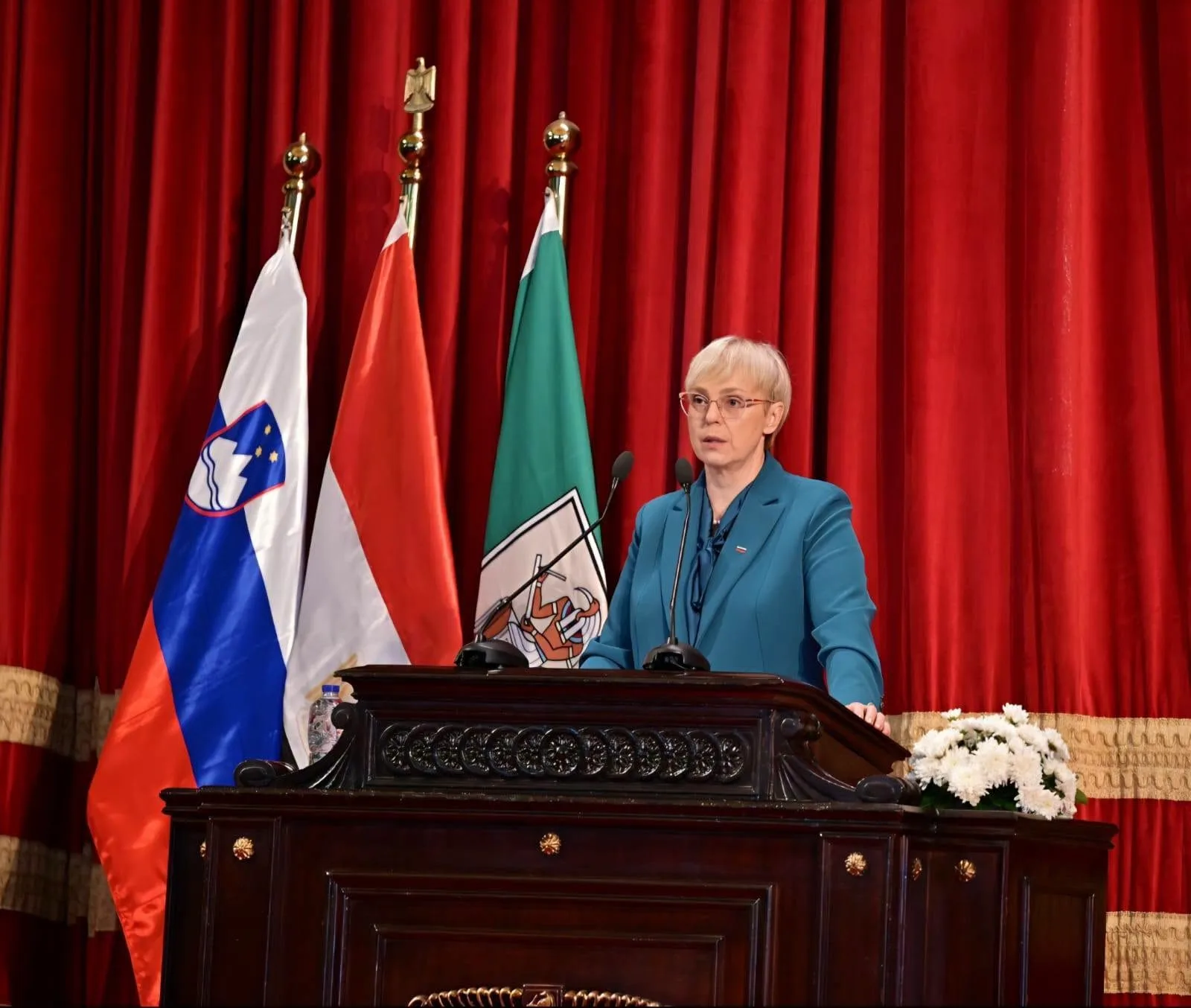
She highlighted existing academic ties between Cairo University and the University of Ljubljana, as well as the positive response to her lecture at Cairo University.
She noted that 25 Slovenian companies, including 15 specialising in logistics and infrastructure, had held productive discussions with Egyptian counterparts over two days.
