





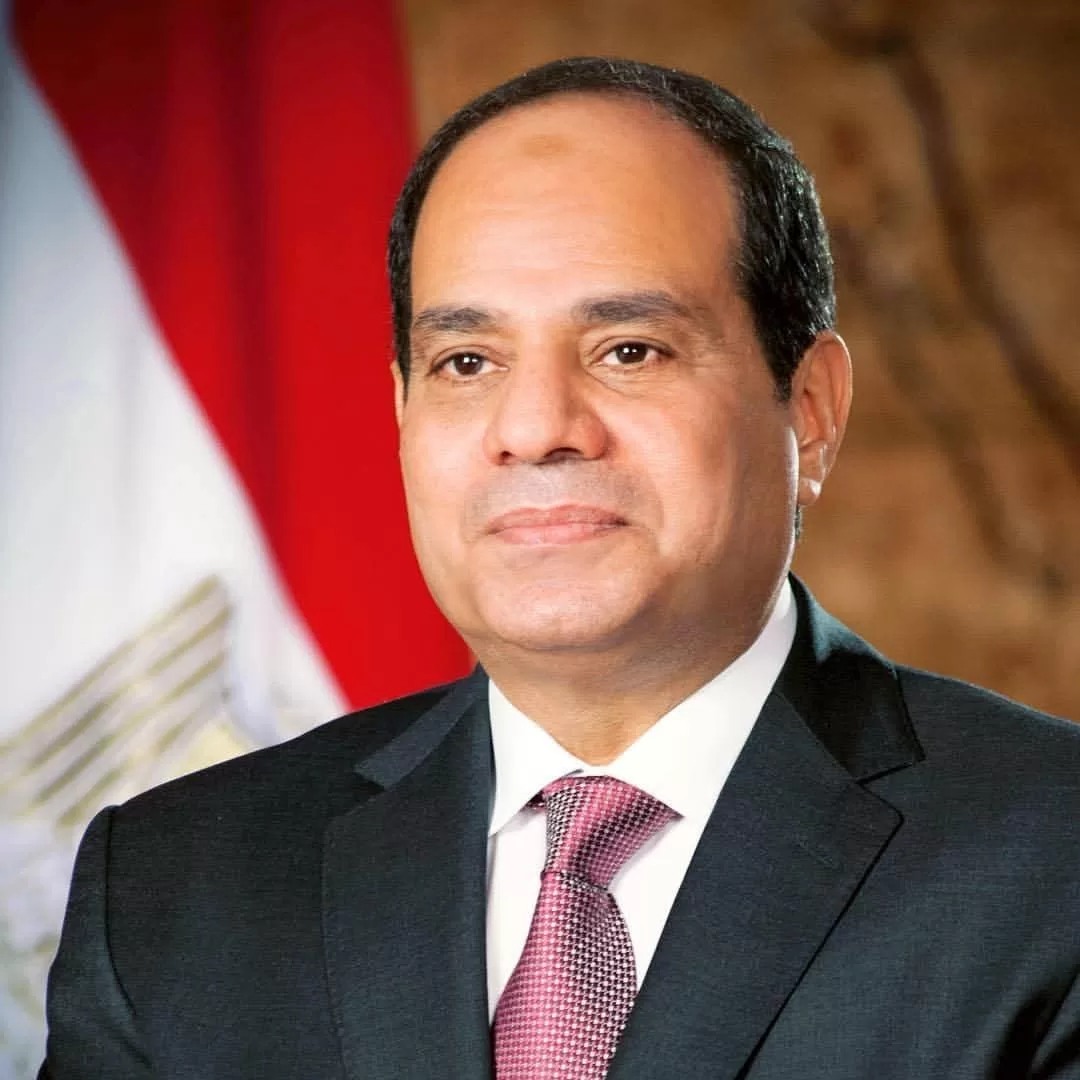
President Abdel Fattah El-Sisi has reiterated the importance of preserving state institutions, strengthening public confidence in security agencies and maintaining Egypt’s strategic balance in foreign policy, warning that undermining national institutions can lead to state collapse and severe regional instability.
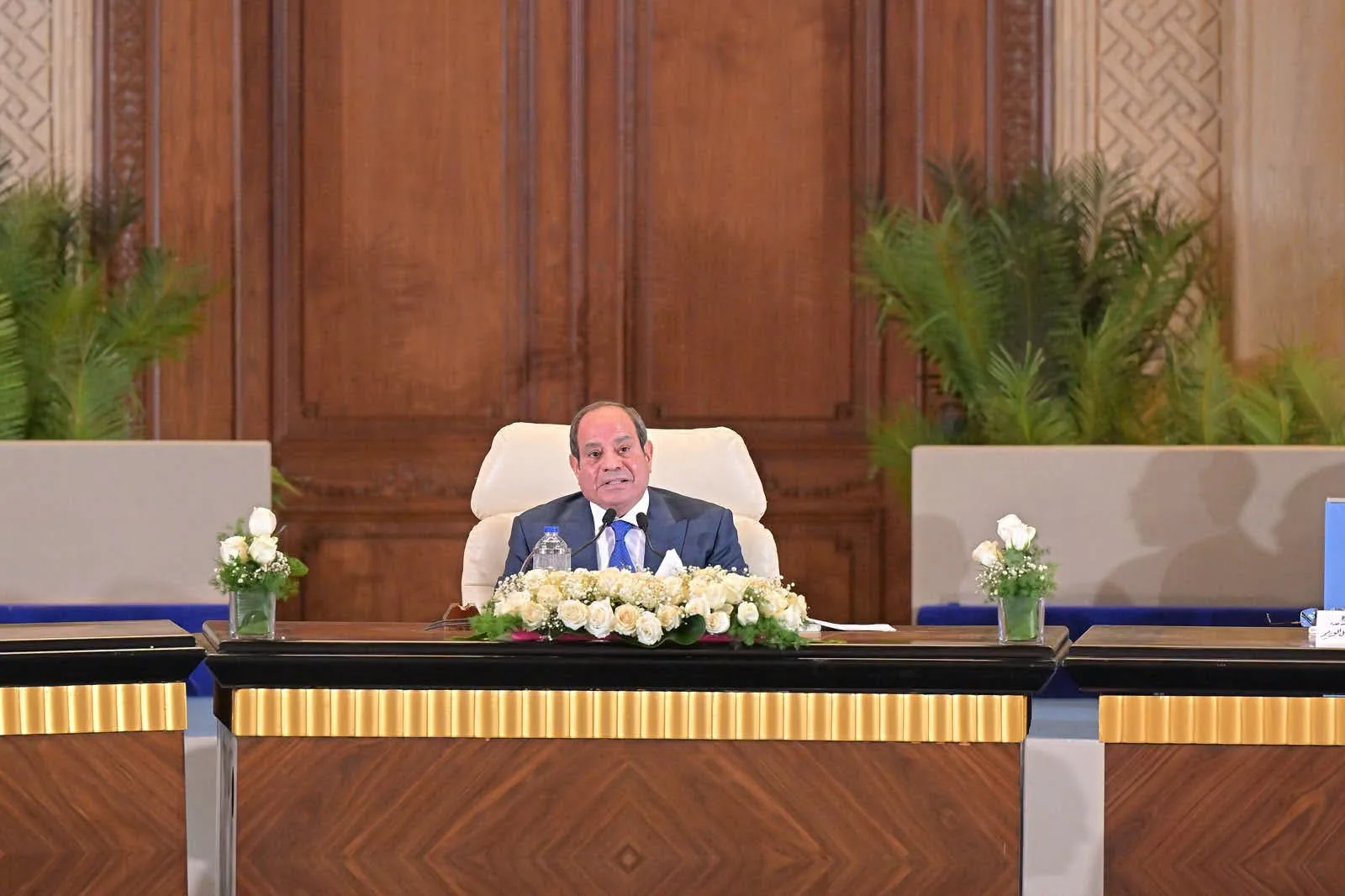
Speaking during the session entitled “National and Citizen Security” on the third day of the Egypt Forum 2026, the president recalled the events of January 2011, including attacks on police stations and prisons that led to the escape of 33,000 inmates.
He stressed the need to counter misinformation, improve public engagement and prevent a recurrence of such events, directing the Armed Forces and Ministry of Interior to develop initiatives that strengthen public trust.
The president also highlighted the transformation of prisons into correction and rehabilitation centres, emphasising humane treatment, rehabilitation and reintegration into society.
He described the National Authority for Crisis and Emergency Management as a vital government support mechanism, strengthened by its comprehensive database and operational capabilities.
Reaffirming the principles guiding Egyptian foreign policy since 2014, the president stressed non-interference, respect for state sovereignty, rejection of armed militias, opposition to conspiracies, and co-operation in development and reconstruction.
He underscored the indivisibility of Arab national security, particularly the stability of Gulf states, Sudan, Libya and Somalia.
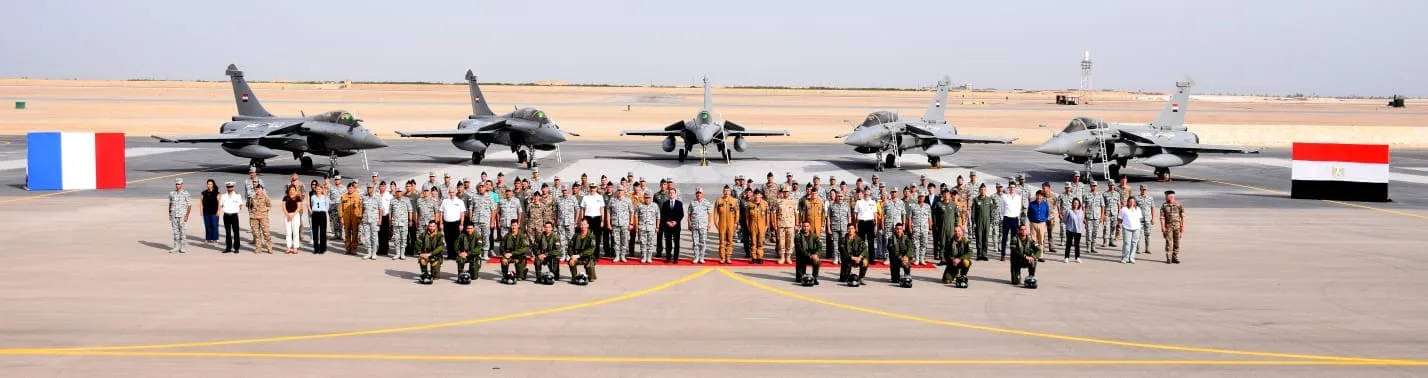
He clarified that Egypt’s military efforts are defensive, intended to protect the Kingdom’s territory and borders, and do not constitute an offensive against Yemen or extend beyond Egypt’s borders or those of Arab states requesting assistance.
For his part, Minister of Interior Major General Mahmoud Tawfik outlined a five-pillar security modernisation strategy covering infrastructure and technology, artificial intelligence and crime prediction, specialised personnel and cybercrime units, public awareness, and penal reform.
He cited a 94 per cent reduction in vehicle thefts.
Chief of the Armed Forces Operations Authority and Head of the National Authority for Crisis and Emergency Management Lieutenant General Mohamed Abdel Rahman Rabie outlined the authority’s legal framework, independence and mandate to protect national security, property and public stability.
Minister of Foreign Affairs, International Co-operation and Egyptian Expatriates Badr Abdelatty highlighted the links between domestic stability and foreign policy, strategic partnerships, Red Sea co-operation, African development, water security, Sudan’s unity and Egypt’s rejection of Palestinian displacement.
He confirmed that humanitarian assistance exceeding one million tonnes had passed through the Rafah crossing.
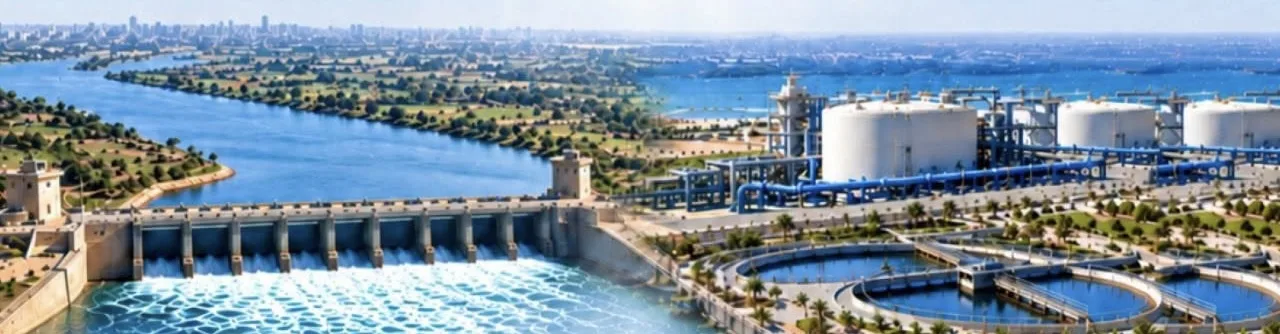
Minister of Water Resources and Irrigation Hany Sewilam detailed measures addressing water scarcity, including projects enabling the annual reuse of 23.2 billion cubic metres of treated water.
He said Egypt had exhausted negotiations over the Ethiopian dam, while advocating cooperation across the Nile Basin, supported by Egyptian investments of $120 million, infrastructure projects and potential regional electricity interconnection.
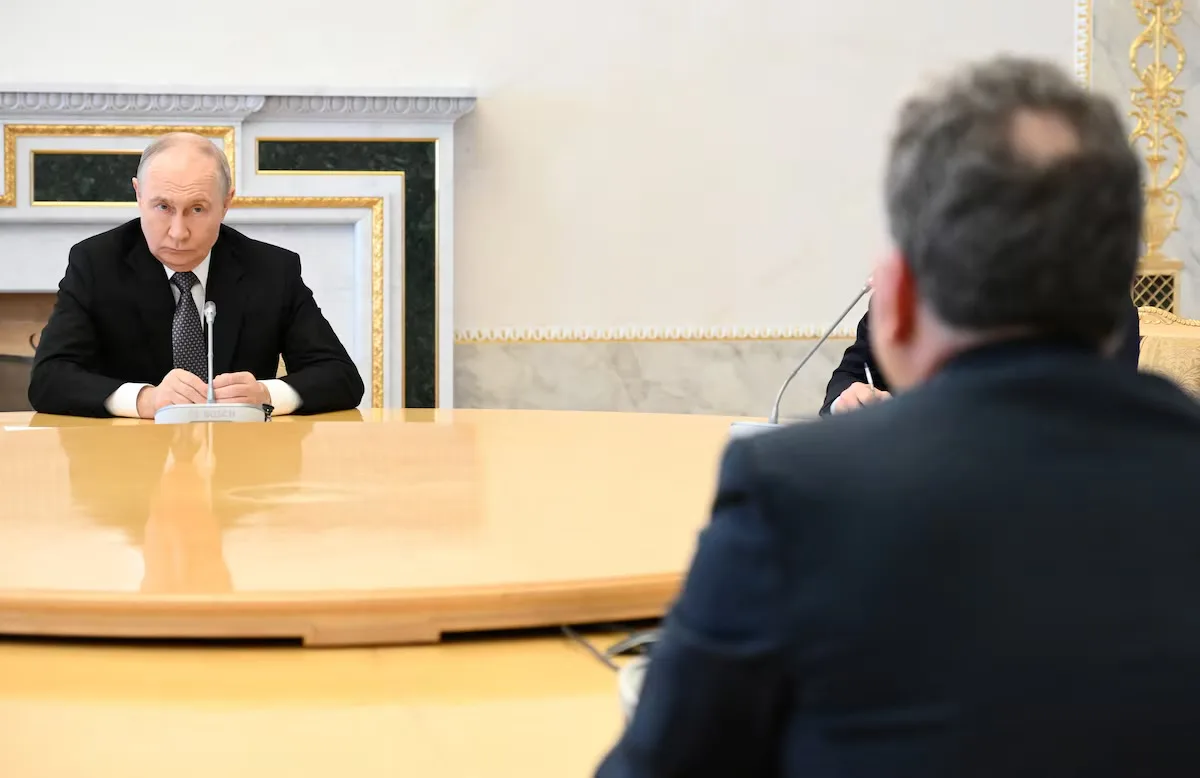
The president concluded by urging continued national preparedness, public awareness and regional cooperation to safeguard Egypt’s interests and wider Arab security.

