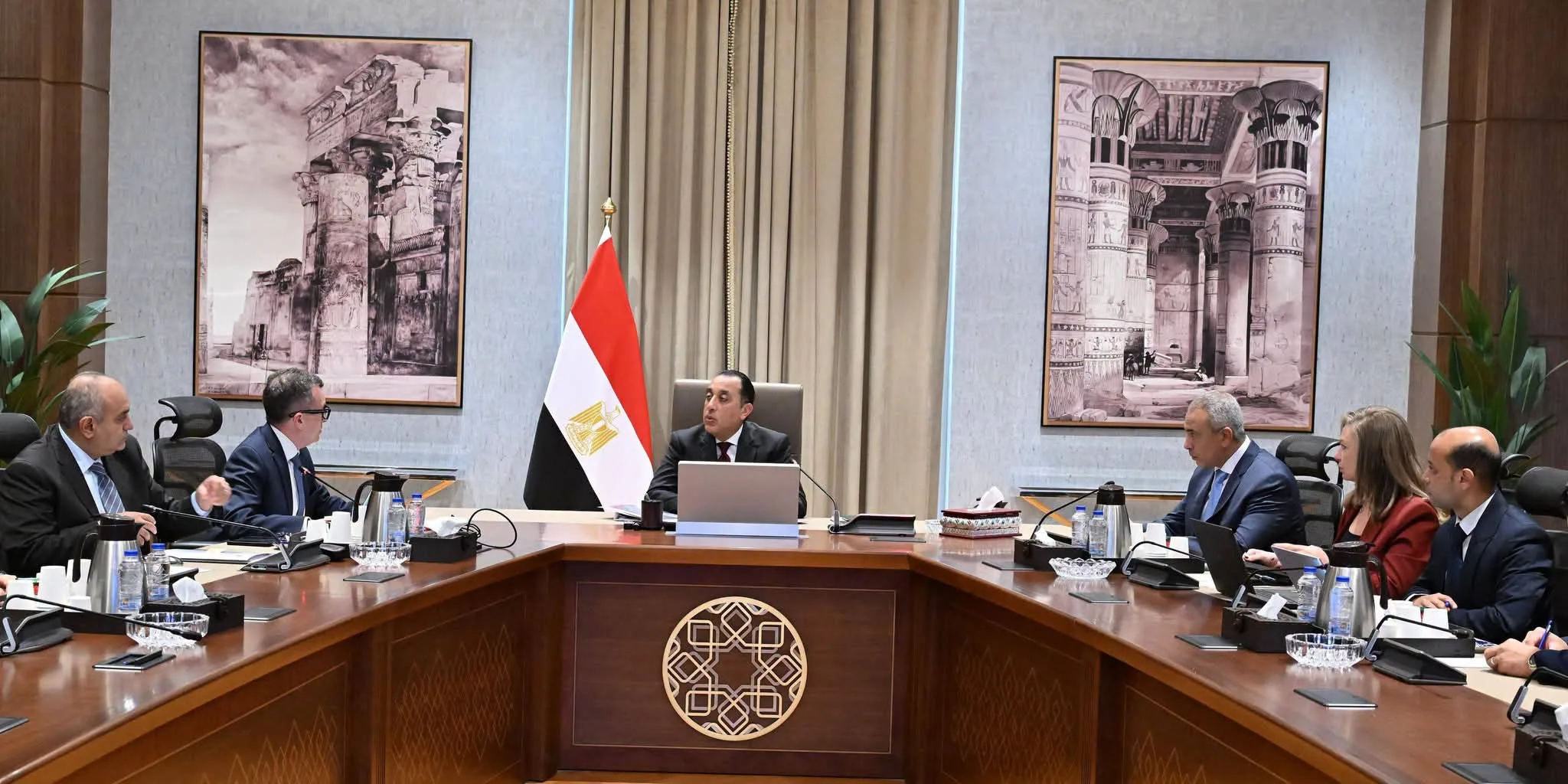












Prime Minister Mostafa Madbouly reviewed on Sunday the methodology for auditing and verifying Egypt’s gross domestic product (GDP) data.
During a meeting at the government headquarters in the New Capital, Madbouly noted that the review forms part of efforts to develop the national accounts system and ensure GDP figures accurately reflect the economy’s structure, drawing on the latest economic census to improve the measurement of economic activities.
Planning and Economic Development Minister Ahmed Rostom and Deputy Finance Minister for Fiscal Policies Yasser Sobhy were present at the meeting.
For his part, Minister Rostom said that reviewing economic data is an established international statistical practice that helps refine estimates, address previously underrepresented activities and reflect structural changes.
The process draws on the Planning Ministry’s technical expertise, co-ordination with the Finance Ministry, previous reviews and international institutions, while ensuring compliance with international System of National Accounts standards.
The economic census provides comprehensive information on formal and informal private businesses, the public sector, public business companies and other activities, expanding the coverage of national accounts.
The review includes filling data gaps for establishments that submitted incomplete census information, using additional data and appropriate indicators, and correcting underreported revenues and production.
Government and economic authority output is calculated using Finance Ministry data, including final government accounts and authorities’ financial statements.
Informal activity outside registered establishments is estimated using CAPMAS labour-force surveys and average output per worker in informal establishments.
Rostom said the updated system would also capture emerging activities, e-commerce, outsourcing and green-economy initiatives.
The objective, he noted, is to establish more accurate, comprehensive and sustainable measurement, strengthening the credibility of economic indicators and supporting planning and policymaking.

