






Digital journalism and online news websites form an integral part of Egypt’s media system, playing a crucial role in delivering news, photographs, and media content to the public, Minister of State for Information Diaa Rashwan said.
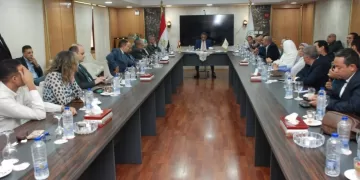
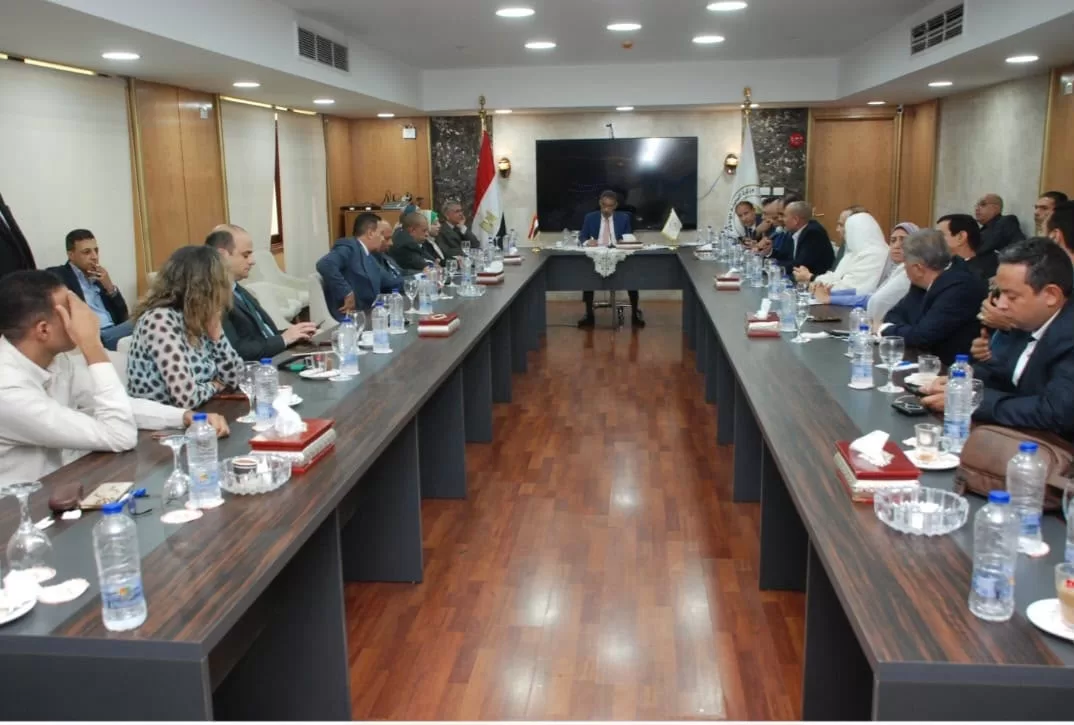
Rashwan made the remarks during a meeting with editors-in-chief of licensed news websites in Egypt.
He stated that the first Egyptian Media Conference, scheduled for December at the direction of President Abdel Fattah El-Sisi, will explore mechanisms to develop the country’s media sector. The event aligns with the President’s call for an open media dialogue embracing diverse perspectives.
Rashwan, who has been tasked with co-ordinating preparations for the conference alongside relevant authorities, outlined the ministry’s mandate under presidential directives and its primary responsibilities assigned by the Prime Minister.
He explained that the ministry acts as a co-ordinator between media institutions and state agencies, while working to improve Egypt’s media performance, raise public awareness, and restore its leading position both nationally and internationally.
Furthermore, Rashwan detailed the ministry’s plan to ensure media outlets receive accurate and timely information from government ministries and state institutions. He urged leaders of digital news platforms to maintain professional journalistic standards, warning that the race to break news must not compromise accuracy, credibility, or reliance on authoritative sources.
The minister noted that the session was the seventh in a series of consultations with key figures across Egypt’s media landscape. Participants in previous meetings included officials from the country’s three main media bodies, the Supreme Council for Media Regulation, the National Press Authority, and the National Media Authority, as well as the heads of the Press Syndicate and the Media Syndicate.
The discussions also engaged editors-in-chief of national, private, and party-affiliated newspapers; heads of state-run and private television channels; and official spokespersons and media advisers from various ministries. These meetings aim to identify and address the challenges facing Egypt’s media sector across all platforms, Rashwan added.
The editors-in-chief welcomed the ministry’s return as a co-ordinating body, noting that it will enhance communication and cooperation among media institutions, ministries, and state agencies.
During the meeting, editors highlighted several obstacles facing digital outlets, particularly limited access to information from ministries, state agencies, and civil society organisations. They also pointed to shortcomings in the performance of official spokespersons and media advisers, alongside difficulties in securing interviews with officials. Such barriers, they warned, could force news outlets to rely on less credible sources.
Additionally, the editors raised concerns about the practical difficulties journalists face while working for digital outlets. They called for the creation of an entity to represent and organise online news institutions to help address shared operational issues.
The participants further expressed concern over the use of social media to spread rumours and false information, erode social values, invade individual and family privacy, and damage the reputation of the state and its institutions. They urged authorities to implement measures to curb these practices.
In response, Rashwan said the state is accelerating the drafting of a freedom of information law to fulfill constitutional requirements guaranteeing citizens’ right to access information. He added that several ministries are developing a comprehensive framework to regulate social media using legislative, legal, and executive tools.
Among the proposed measures, Rashwan stated that the Ministry of State for Information could initiate legal proceedings against social media practices that undermine social values, disrupt family cohesion, violate human dignity, or infringe on personal privacy, noting that the Constitution mandates state protection over these rights.
Rashwan also suggested that digital news outlets could independently establish an institutional entity representing media organisations rather than individual employees to address collective challenges. He cited the Chamber of Cinema Industry, established in 1947 under the Federation of Egyptian Industries, as a potential model for such a framework.
At the conclusion of the meeting, participants unanimously agreed to a complete ban on media coverage of funerals and condolence gatherings for all citizens.
Members of participating news organisations who breach the ban will face disciplinary action, including for material published on personal social media accounts. The decision was made to protect the privacy of individuals and show respect for social values and the feelings of Egyptian families.
The meeting was attended by senior editors and editors-in-chief representing several licensed Egyptian news websites.

