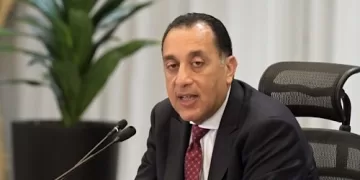








Egypt’s Prime Minister Mostafa Madbouly said Egypt’s economy grew by 4.7% in the fourth quarter of the 2025/2026 financial year and 5.1% over the year as a whole, exceeding forecasts by international institutions.
Industry recorded the strongest growth, while the Suez Canal expanded by around 33%, the information and communications technology sector maintained its exceptional performance, and tourism reached 19.3 million arrivals despite regional tensions.
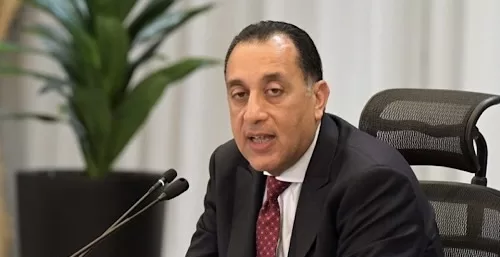
Speaking at a press conference following the Cabinet meeting at the government headquarters in the New Administrative Capital, Prime Minister Madbouly said the results demonstrated the resilience of the Egyptian economy and its capacity to withstand successive global and regional challenges
He said the government was continuing to prepare plans and projections aimed at maintaining high growth rates.
The prime minister highlighted Chinese President Xi Jinping’s historic visit to Egypt, which coincided with the 70th anniversary of diplomatic relations and marked his second visit following that of 2016.
He said bilateral relations had evolved into a strategic partnership in 2014, with trade reaching approximately $20 billion and Chinese companies announcing investments of $12 billion in Egypt last year.
He cited the TEDA zone in the Suez Canal Economic Zone, where more than 200 companies have invested over $4 billion and created more than 10,000 jobs, as well as new agreements covering advanced automotive tyre manufacturing, ICT and other sectors.
He stressed that Egypt’s balanced foreign policy and openness to international partners were firmly guided by national interests.
Madbouly also reviewed President Abdel Fattah El-Sisi’s directive to proceed with Terminal 4 at Cairo International Airport, designed to accommodate 40 million passengers annually, compared with 28 million across the three existing terminals, in response to rising tourism, investment and economic activity.
The prime minister further highlighted co-operation with Cisco, including agreements to train more than 3,000 young Egyptians, and praised young professionals entering ICT and outsourcing through career shifts and foreign-language skills.

