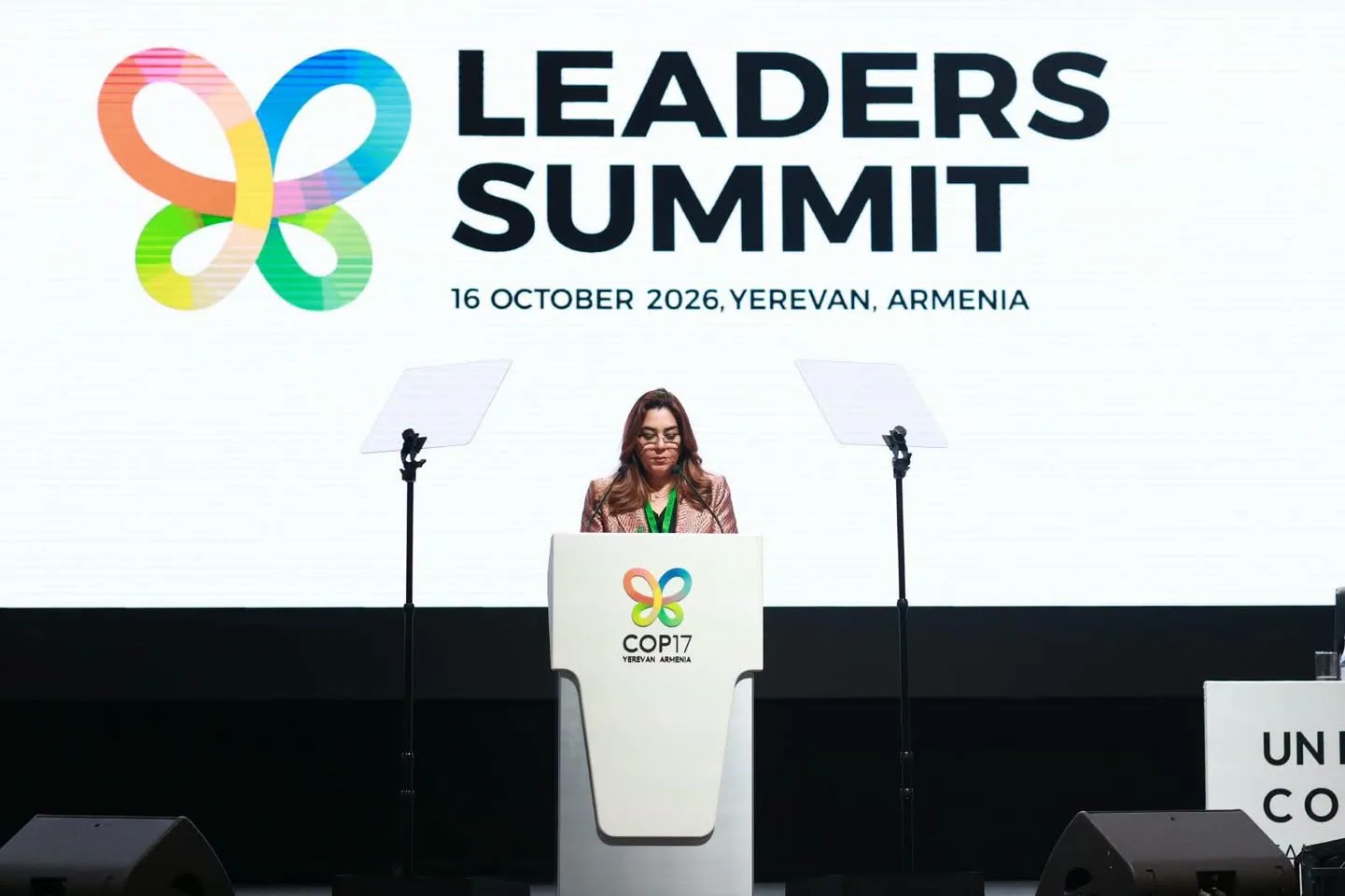



Egypt’s Environment Minister Manal Awad urged countries to increase international funding and speed up action to protect biodiversity, saying sustainable development was impossible without safeguarding nature.
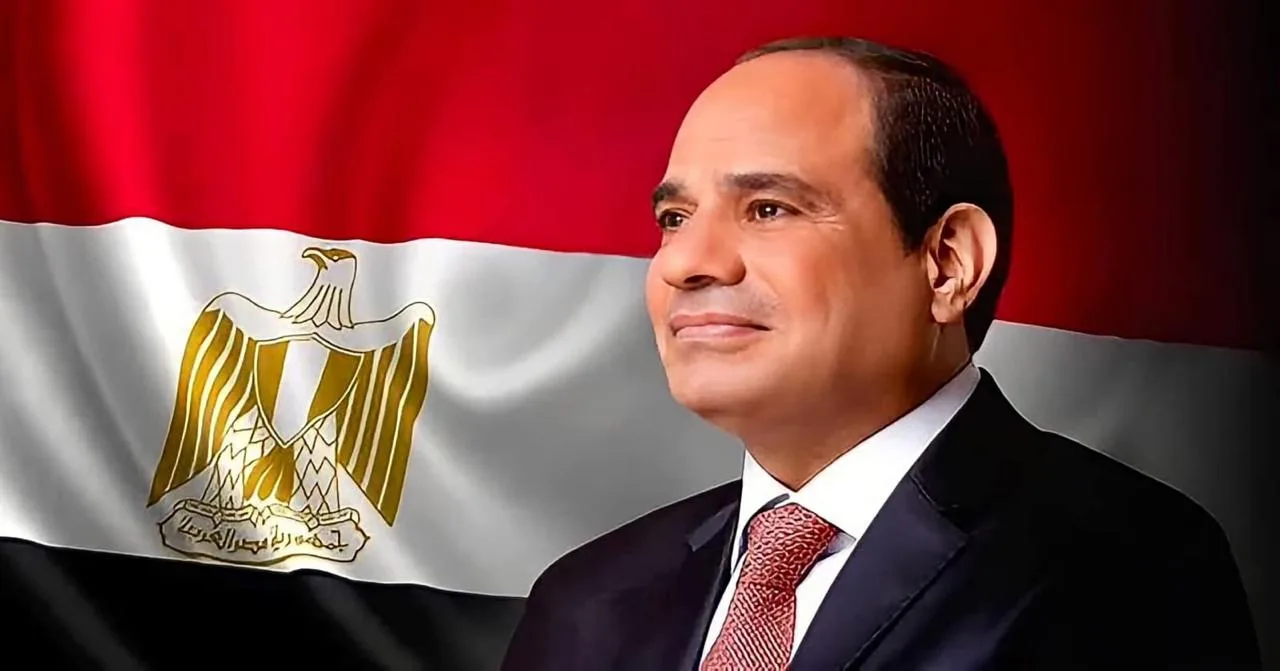
Awad delivered Egypt’s address on behalf of President Abdel Fattah El-Sisi at the World Leaders’ Summit for Nature in Yerevan, held as part of preparations for the United Nations biodiversity conference COP17.
“The challenge facing the international community today is not a lack of commitments, but ensuring they translate into funded national action, responsible investment, effective partnerships and measurable results,” Awad said.
She called for adequate, accessible and predictable international financing, alongside stronger domestic funding and private investment. Financing arrangements should take account of countries’ differing capacities and circumstances and ensure developing nations can meet their commitments without placing additional strain on their economies, she said.
Awad said Egypt was ready to work with other countries to address gaps and accelerate implementation of the Kunming-Montreal Global Biodiversity Framework, adopted in 2022. The first global review of progress under the framework would be an opportunity to assess results and identify shortfalls in finance, technology and capacity-building, she said.
Egypt has updated its national biodiversity strategy and action plan and drawn up a biodiversity financing plan, Awad said. She also highlighted the country’s expansion of protected areas, including the announcement of its 31st nature reserve, a Red Sea coral reef.
Biodiversity protection must be integrated into economic and development decision-making, rather than left to environmental authorities alone, she said, so that projects and policies account for their effects on natural capital and ecosystems.
The summit aims to build political support for implementing the global biodiversity framework and mobilise international co-operation and finance. Armenia is due to host COP17 from October 19 to 30, 2026, when countries are expected to assess collective progress towards the framework’s 2030 targets.

