





Tourism, the preservation of ancient sites and antiquities revival are one of Egypt’s most visible achievements in the past decade.
As a fact, this demonstrates itself strongly as the Egypt Forum 2026 prepares to start on October 19 to roll out the nation’s achievements of this decade.
In 2016, the tourism industry was struggling to recover. Egypt received 4.8 million visitors only, while its world-famous monuments drew only a fraction of the crowds seen at the sector’s earlier peak.
By 2025, visitor numbers had climbed to nearly 19 million, a record, and the country had opened the world’s largest archaeological museum.
The turnaround has been driven by investment, restoration and a renewed effort to present the country’s heritage to international travellers.
Record numbers
Tourist arrivals reached 15.8 million in 2024, after the Covid-19-induced disruption had subsided, while tourism revenues more than doubled from $7.2 billion in 2014 to $15.3 billion in 2024, according to official statistics.
The local tourism sector has had a strong year by most measures.
While tourist arrivals across the Middle East fell by 22 per cent in the first half of 2026, according to UN Tourism, a specialized agency of the United Nations responsible for promoting responsible and sustainable tourism around the world, the Ministry of Tourism and Antiquities reported a 4 per cent increase.
In 2025, Egypt received about 19 million visitors, 46 per cent more than 2019, while tourism revenues were 40 per cent higher.
The momentum has continued into 2026. Tourism revenues are expected to rise by around 30 per cent by the end of the year, exceeding $20 billion, while tourist arrivals could reach about 20 million by the end of the year, Tourism Minister Sherif Fathy told CNBC Arabia in an interview last week.
A landmark museum
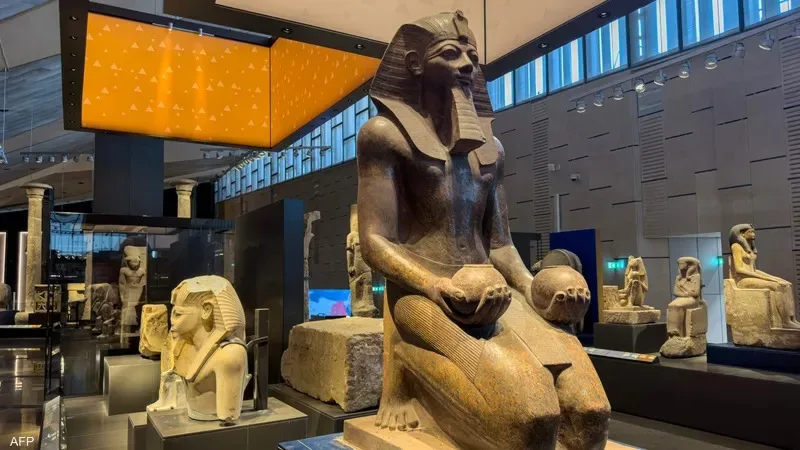
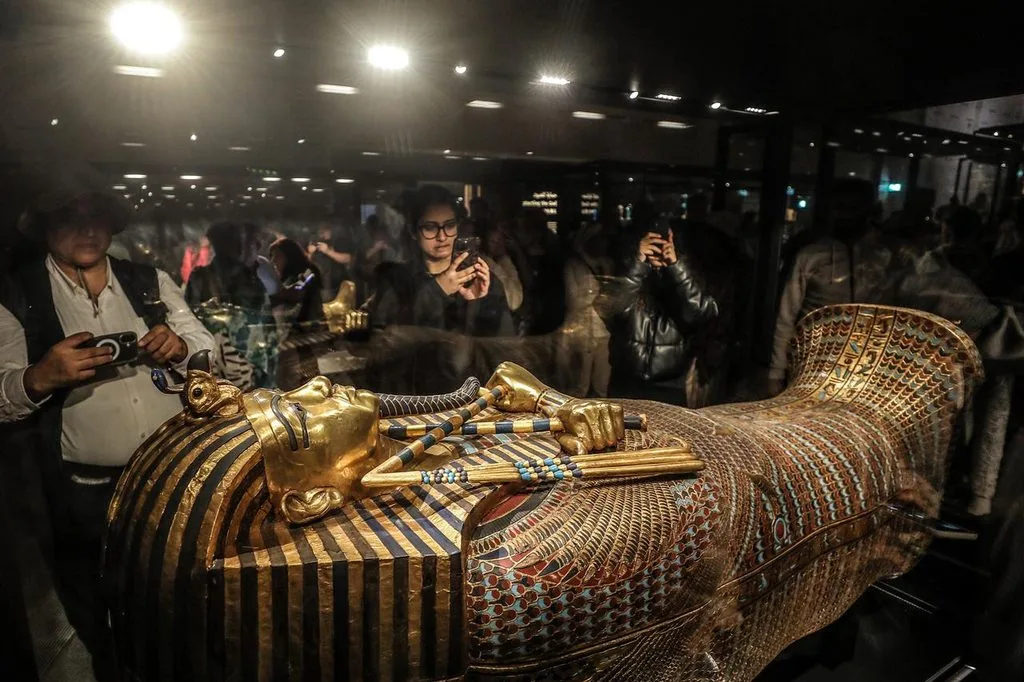
The Grand Egyptian Museum is the most prominent symbol of the transformation. Conceived nearly two decades ago and delayed by a series of challenges, it was inaugurated last November in the presence of leaders from dozens of countries and opened to the public days later.
Built on a 120-acre site near the Giza Pyramids at a cost of about $1 billion, the museum houses some 100,000 artefacts, including the treasures of Tutankhamun, displayed together for the first time.
The complex also puts conservation on show, allowing visitors to watch specialists at work, including the restoration of the second Khufu solar boat.
The museum is expected to attract around 5 million visitors annually, bringing more tourists to Cairo and Giza and boosting demand for nearby hotels and services.
Restoring the past
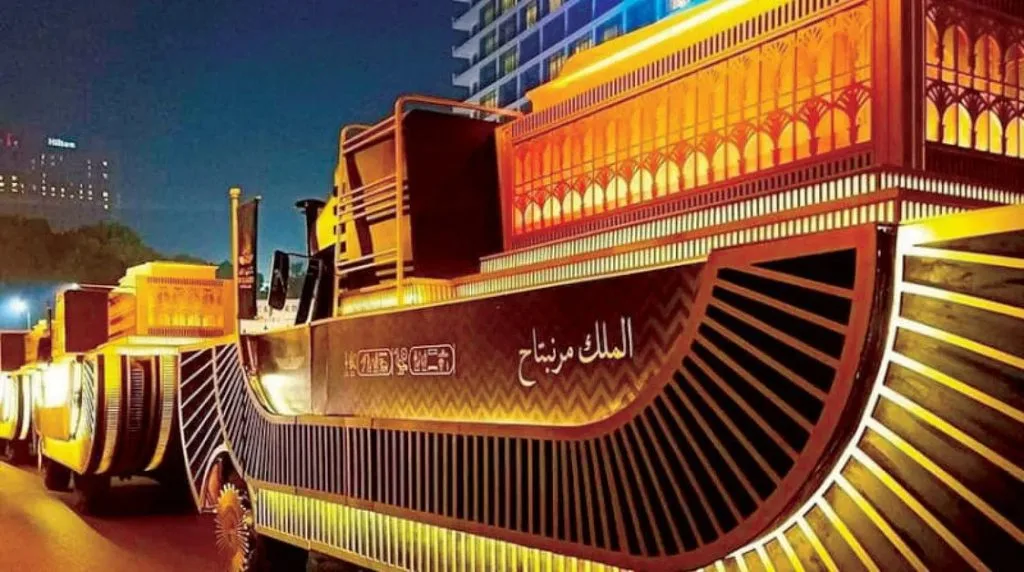
Egypt has also used major heritage events to draw global attention. In April 2021, 22 royal mummies were transported through Cairo in the Pharaohs’ Golden Parade, moving from the Egyptian Museum in Tahrir Square to their new home at the National Museum of Egyptian Civilisation in Fustat.
That November, Luxor unveiled the restored Avenue of Sphinxes, a 2.7-kilometre processional route linking Karnak and Luxor temples.
Excavated over more than half a century, the avenue allows visitors to walk a path once used by priests and kings during the Opet Festival.
The restoration has strengthened Luxor’s claim to be one of the world’s largest open-air museums.
New discoveries
Egyptian archaeologists, working with international teams, have continued to make significant discoveries.
At Saqqara, excavations have uncovered tombs, burial shafts and workshops that offer new insights into mummification and life in ancient Memphis.
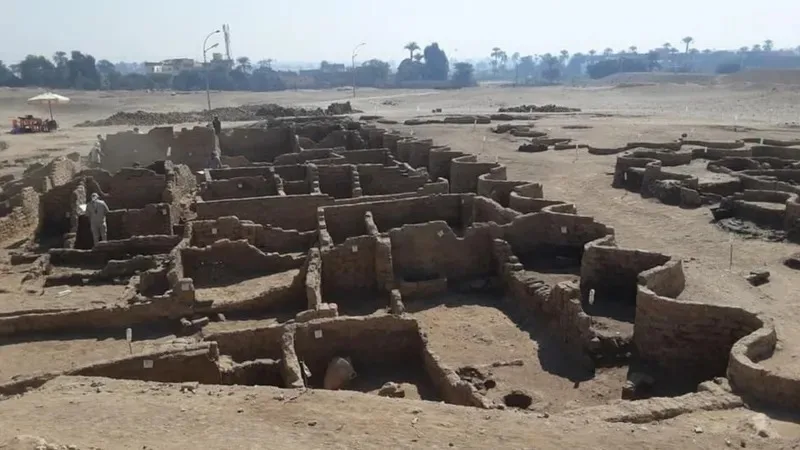
In Luxor, the so-called Lost Golden City, dating to the reign of Amenhotep III, was uncovered in 2021.
In 2025, a joint mission announced the discovery of what it reported to be the tomb of Thutmose II, describing it as a find of rare significance. Work has also continued to recover antiquities submerged off Alexandria, in addition to discoveries in many parts of the country.
Such discoveries add to scholarly knowledge while giving travellers new reasons to return, archaeologists and tourism officials say.
Better-connected visitors
Egypt has pursued changes to make travel easier. The merger of tourism and antiquities under one ministry in 2019 enabled more joined-up planning, from site management to promotion.
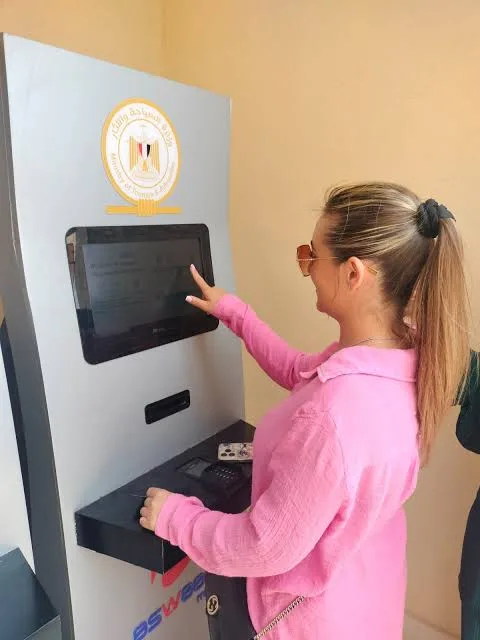
Electronic ticketing has been introduced at more than 100 heritage sites, while expanded air links, improved services and security measures have helped restore confidence among visitors.
The country is also adding hotel capacity. Egypt retained Africa’s largest hotel-development pipeline for a ninth consecutive year, with 185 projects comprising 45,984 rooms in 2026.
The government estimates tourism investment at LE116 billion for the 2025–2026 fiscal year, with private investors accounting for almost all of the target.
International hotel groups are also expanding. Accor plans to operate 22 new hotels in Egypt by 2030.
Digital push
Artificial intelligence has become part of the tourism ministry’s marketing strategy. This year, the ministry said it would use AI to widen travellers’ choices and promote lesser-known destinations, rather than relying solely on the familiar image of pyramids and beaches.
Cairo International Airport has also introduced an AI-powered digital assistant for passengers, developed with Orange Egypt and described by its operators as the first of its kind at an airport.
Digital ticketing is expanding as well. The system is now operating at over 100 museums and archaeological sites, with self-service machines and QR-code entry gates being added at more locations. Tickets to the Grand Egyptian Museum are also available through the apps of Egypt’s four mobile operators.
Campaigns and infrastructure
New campaigns are targeting visitors from the region and beyond. “Egypt… Unparalleled Diversity” is aimed at Arab travellers, while “Ramadan in Egypt is a Story” promotes the holy month and Eid (Lesser Bairam). The “We Are Egypt” campaign encourages citizens to act as ambassadors for their country.
Over the past fiscal year, the Egyptian Tourism Authority took part in 40 international exhibitions, launched 146 co-marketing campaigns and organised 180 familiarisation trips.
Infrastructure is being expanded to match the growth. Egypt now operates 23 airports, compared with 19 in 2014. A planned Terminal 4 is expected to raise Cairo International Airport’s capacity to around 30 million passengers a year.
On the horizon
On 2 August 2027, a total solar eclipse will cross Egypt, with about six minutes and 22 seconds of totality near Luxor, the longest on land until 2114.
A high-level committee was formed and held its first meeting on 1 September to co-ordinate transport, security and site preparations, with Luxor and Siwa as the focus.
Bookings for 2027 are reportedly strong, and officials hope the event will make Egypt the world’s leading destination for astronomical tourism.
