



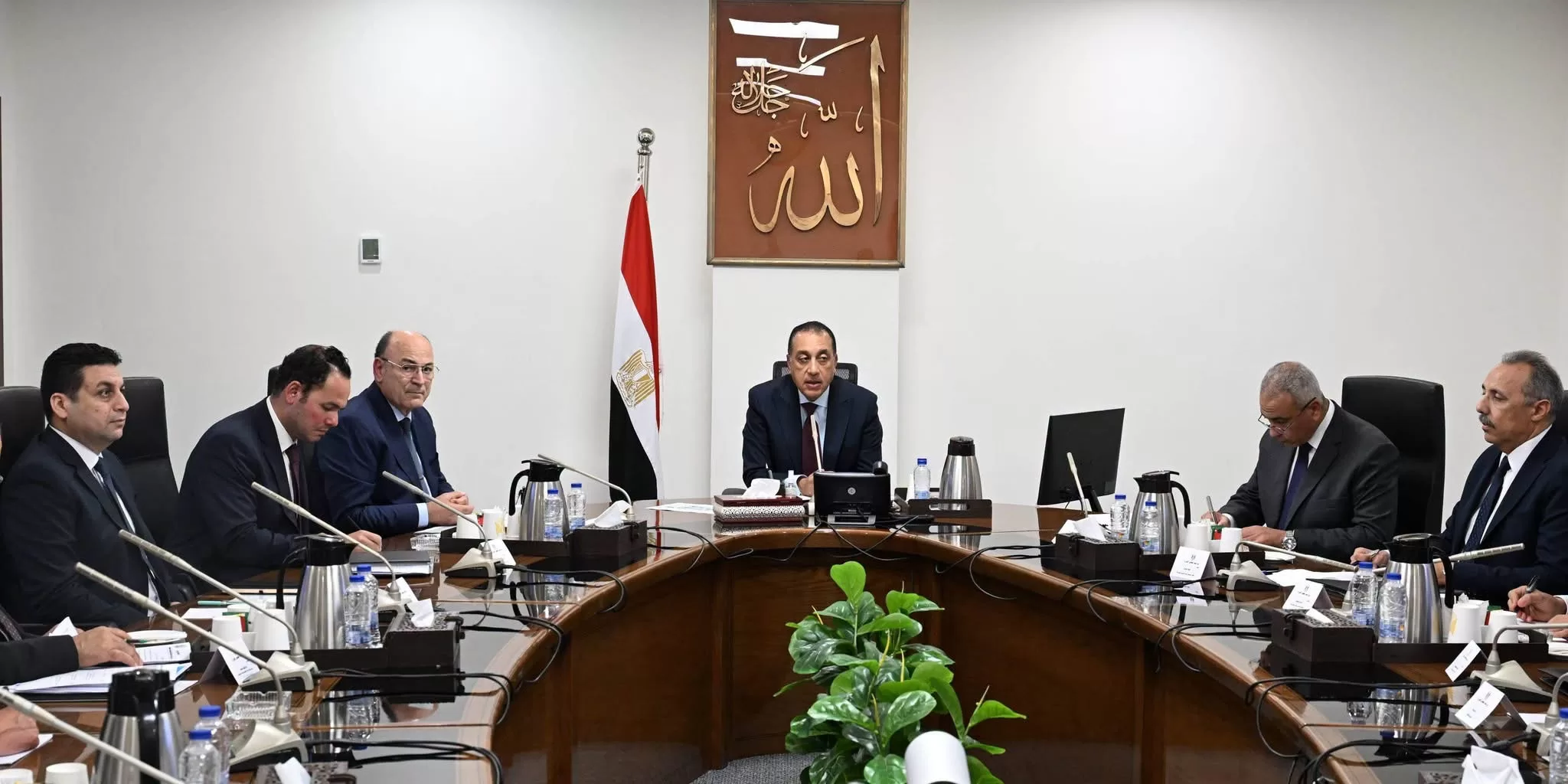
Prime Minister Mostafa Madbouli chaired a meeting to examine a proposed vision for developing flax cultivation and industry in Egypt. The session, held via video conference with Agriculture Minister Alaa Farouk, Investment and Foreign Trade Minister Mohamed Farid, Industry Minister Khaled Hashem and other senior officials, discussed a study outlining pathways to revitalise the sector and maximise its economic value.
Madbouli said the initiative aims to harness Egypt’s existing industrial base and favourable conditions to restore flax as a strategic crop and industrial input. Government spokesperson Mohamed El-Homsany explained that the study highlighted Egypt’s competitive advantages and potential to become a regional hub for flax by 2030, through integrated development of the value chain.
The proposed plan covers five areas: agriculture, industry, marketing and exports, research and development, and institutional and legislative frameworks. Agricultural measures include expanding cultivated areas to 100,000 feddans by 2030, introducing high-quality seeds, mechanising processes and applying modern irrigation. Industrial proposals involve upgrading factories, localising technology through international partnerships, and improving energy efficiency.
Marketing strategies include launching a national brand, opening new markets, participating in international exhibitions and boosting e-commerce platforms. Research and development would focus on improving varieties and productivity, while institutional measures call for establishing a Supreme Council for Flax Industry, enacting supportive legislation and strengthening training programmes.
The meeting also reviewed opportunities to attract global investment in flax spinning, create a national design centre, expand international quality certifications, and link flax products to furniture and tourism sectors to generate sustainable demand. Special attention was given to upgrading Tanta Flax and Oil Company, which owns a 73-feddan industrial complex producing fibres, wood and oils, and has potential to drive value-added production and exports.

