



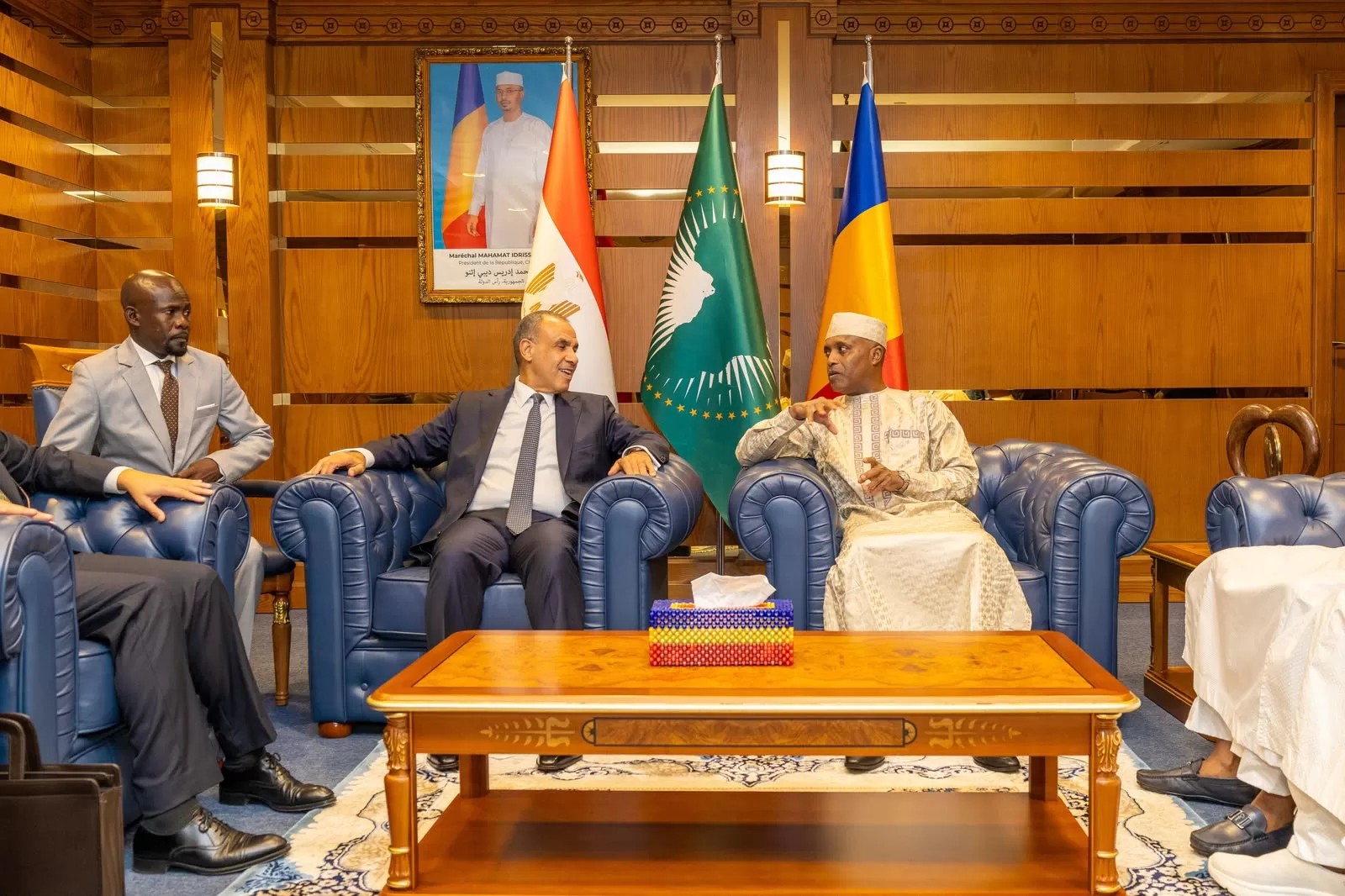
Egypt and Chad are moving to strengthen their relationship, with trade, infrastructure, healthcare and security cooperation emerging as key areas of a growing partnership.
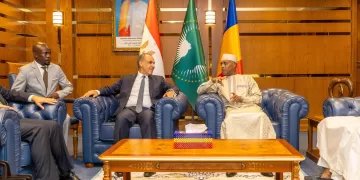
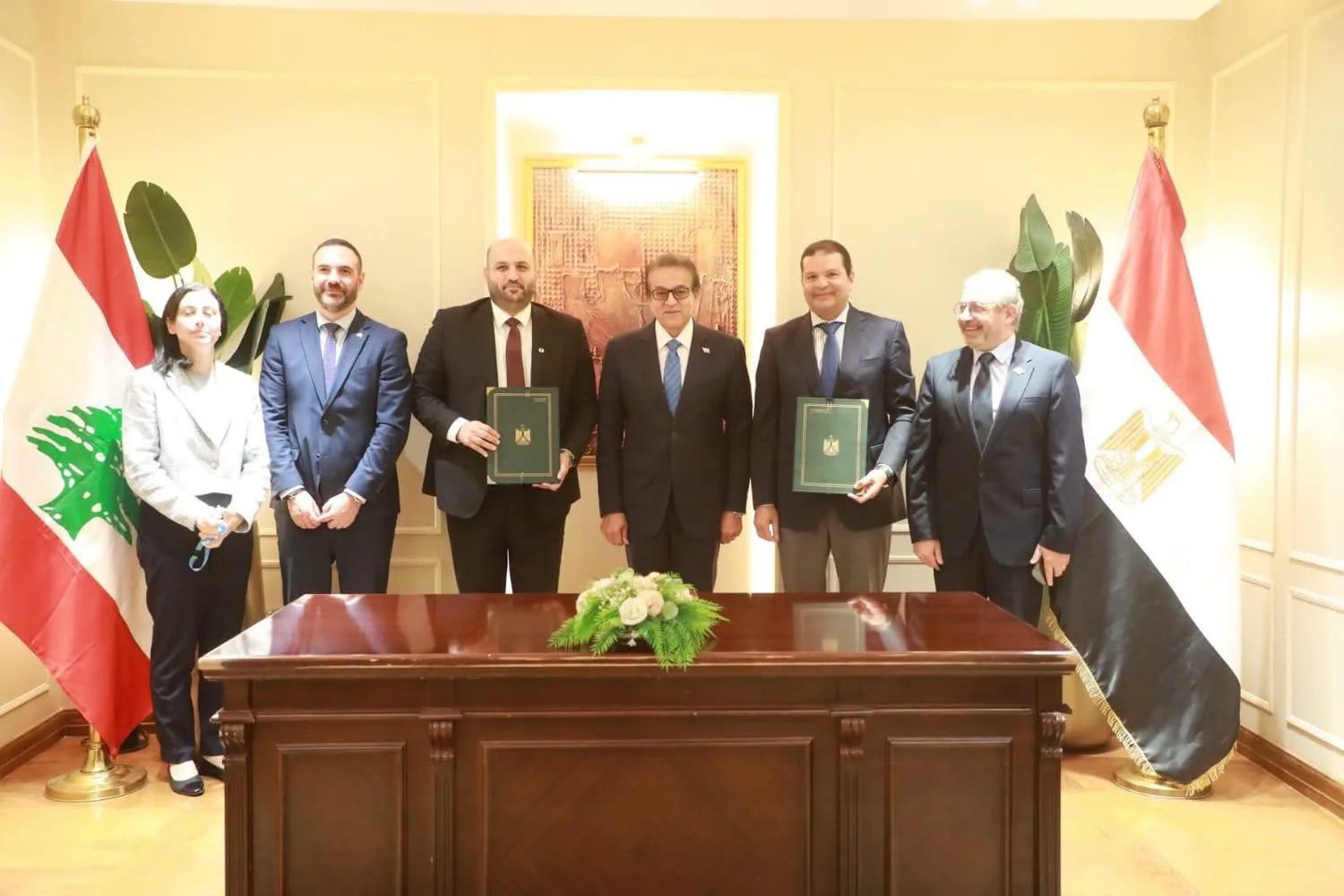
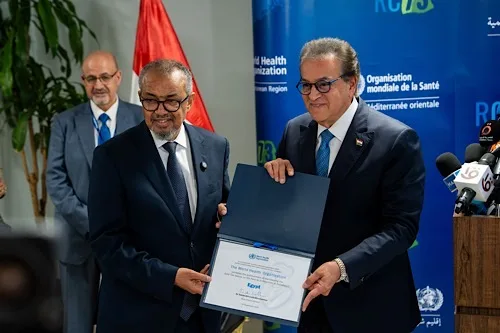
The latest push came during the fourth session of the Egyptian-Chadian Joint Committee, held in N’Djamena on Thursday, August 6, with the participation of Egyptian Foreign Minister Badr Abdelatty and a number of senior Egyptian ministers, alongside Chadian officials and business representatives.
For Cairo, the relationship with Chad carries significance beyond bilateral ties. Chad’s location in the heart of the Sahel, and its borders with Libya, Sudan and other strategically important countries, make it an important partner in Egypt’s efforts to deepen its presence across Africa.
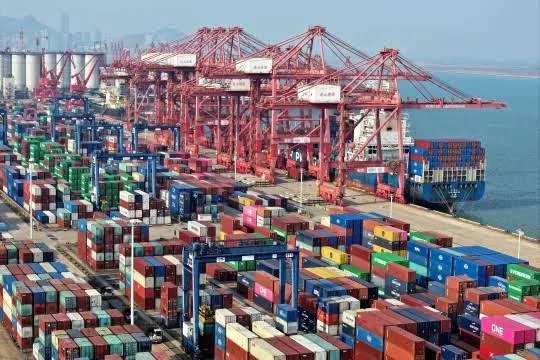
At the centre of the economic agenda is a planned land trade corridor linking Egypt and Chad through Libya. The project could give landlocked Chad greater access to the Mediterranean and international markets through Egypt, while opening a new route for Egyptian goods and companies into Central and West Africa.
Egyptian officials see the corridor as more than a transport project. Better road links could help increase trade, support investment and connect businesses on both sides. Egypt has also expressed interest in expanding cooperation in energy, construction, logistics and infrastructure, while encouraging Egyptian private companies to play a larger role in Chad’s development.
Chad, meanwhile, has considerable agricultural and livestock resources, as well as opportunities in mining and the petroleum sector. Its position could also make it a gateway for Egyptian businesses seeking access to wider African markets.
“Chad represents a gateway to Central and West African markets,” Chadian Ambassador to Egypt Mohamed Abdelkarim Hanno said, pointing to opportunities in pharmaceuticals, building materials, food industries, engineering products, agriculture and livestock.
The two countries are also seeking to build on existing cooperation beyond trade. Egyptian companies have already been involved in infrastructure, road construction, housing and energy projects in Chad.
Healthcare and education are another part of the relationship. An Egyptian medical convoy visited Chad in April, carrying out more than 500 operations in N’Djamena and supporting the opening of a kidney dialysis centre at the Central Hospital. Egypt is also working to complete a new premises for Alexandria University in the Chadian capital.
Security cooperation remains an important pillar. Egyptian institutions have provided training and capacity-building programmes covering border management, counter-terrorism, security and peacebuilding. Cairo has also stressed the importance of continued military training and the development of Chadian security personnel.
The relationship also has a clear regional dimension. During Abdelatty’s meeting with his Chadian counterpart, Abdullah Saber Fadel, the two sides discussed developments in the Sahel and the conflict in neighbouring Sudan.
Egypt reiterated its support for Sudan’s unity, sovereignty and territorial integrity, while rejecting the creation of parallel entities and stressing the principle of a Sudanese-owned political solution.
The renewed focus on Chad fits into Egypt’s broader effort to expand its engagement across Africa through trade, infrastructure, investment, healthcare, education and security cooperation.
For Egypt, strengthening relations with countries such as Chad is not simply about increasing bilateral trade. It is also about building stronger connections with the continent, opening new routes for Egyptian businesses and reinforcing Cairo’s role in a region where economic and strategic interests are increasingly intertwined.

