




In the eastern Mediterranean, a gas discovery is only part of the challenge. Getting it to market requires infrastructure, investment and co-operation, and Egypt is pitching its processing and export facilities as a regional asset.
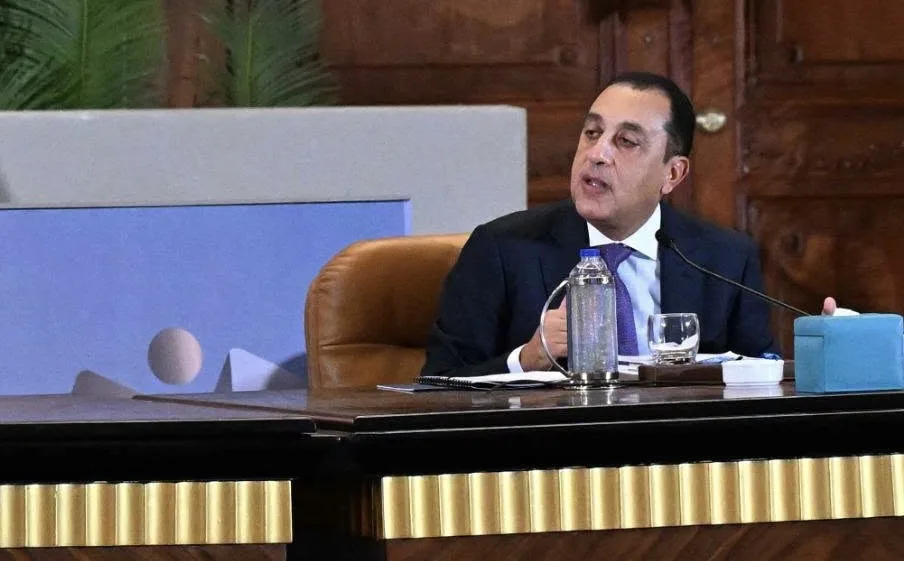
Minister of Petroleum and Mineral Resources Karim Badawi said on Tuesday that closer co-ordination among regional governments and companies could help turn the area’s gas resources into a more integrated energy market, strengthen supply security and attract investment.
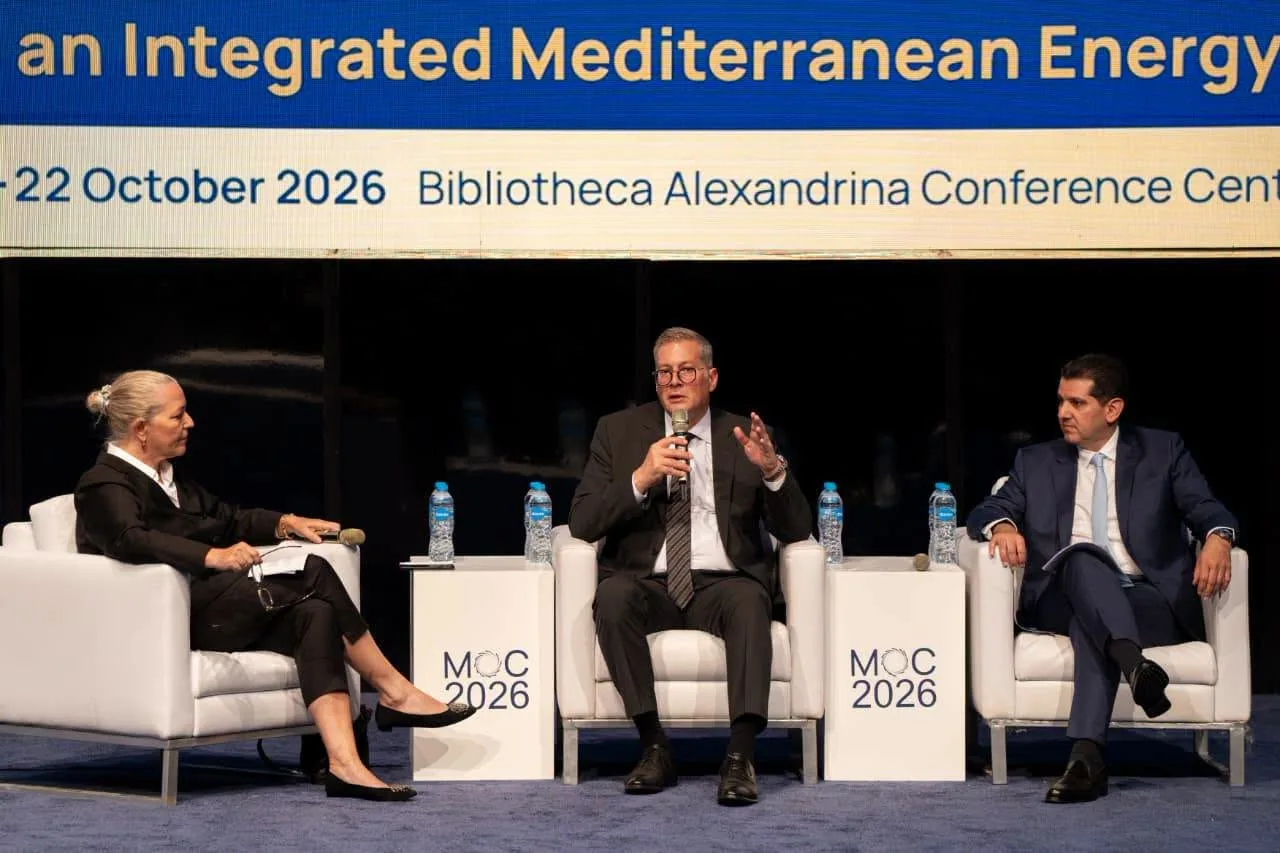
Speaking at the Mediterranean Offshore Conference & Exhibition (MOC) in Alexandria, Badawi said Egypt was working to increase domestic gas production while expanding solar and other renewable energy.
He said stable, clear and flexible rules would be needed to encourage investment in exploration and production and bring discoveries into operation.
Technology could also help unlock resources, he said, citing artificial intelligence, horizontal drilling and hydraulic fracturing as tools to improve efficiency and reduce costs and risks.
But the region’s prospects depend not only on what lies underground. Egypt’s facilities for receiving, processing and liquefying gas, and shipping it to export markets, could provide a route for neighbouring producers, Badawi added.
That infrastructure is central to Cyprus’s plans. Energy Minister Michael Damianos said Egypt was a key partner as Cyprus intensifies exploration and seeks to develop its gas discoveries without having to build a complete set of equivalent facilities.
Cyprus is weighing options for developing its Cronos field, including sending gas to Egypt or using facilities associated with the Aphrodite field. The choice would depend on technical and commercial factors, Damianos said.
The country is also trying to balance exports with its future domestic needs. Infrastructure to use natural gas locally, including in power generation, is still under development and is expected to be completed by 2029, he said.
Cyprus’s gas demand is forecast to reach between six billion and 10 billion cubic metres a year in coming years, Damianos said, making exports a commercially suitable option for now as domestic infrastructure is built.
For both governments, the broader ambition is to link regional gas resources with existing and planned infrastructure, turning co-operation into investment and reliable supplies for markets in the eastern Mediterranean and Europe.
Badawi said that would require closer co-ordination of projects in Egypt, Cyprus and other countries, as well as stronger partnerships between governments and private companies.
The two ministers said they would continue working with regional partners to advance gas transport projects and make better use of existing facilities.

