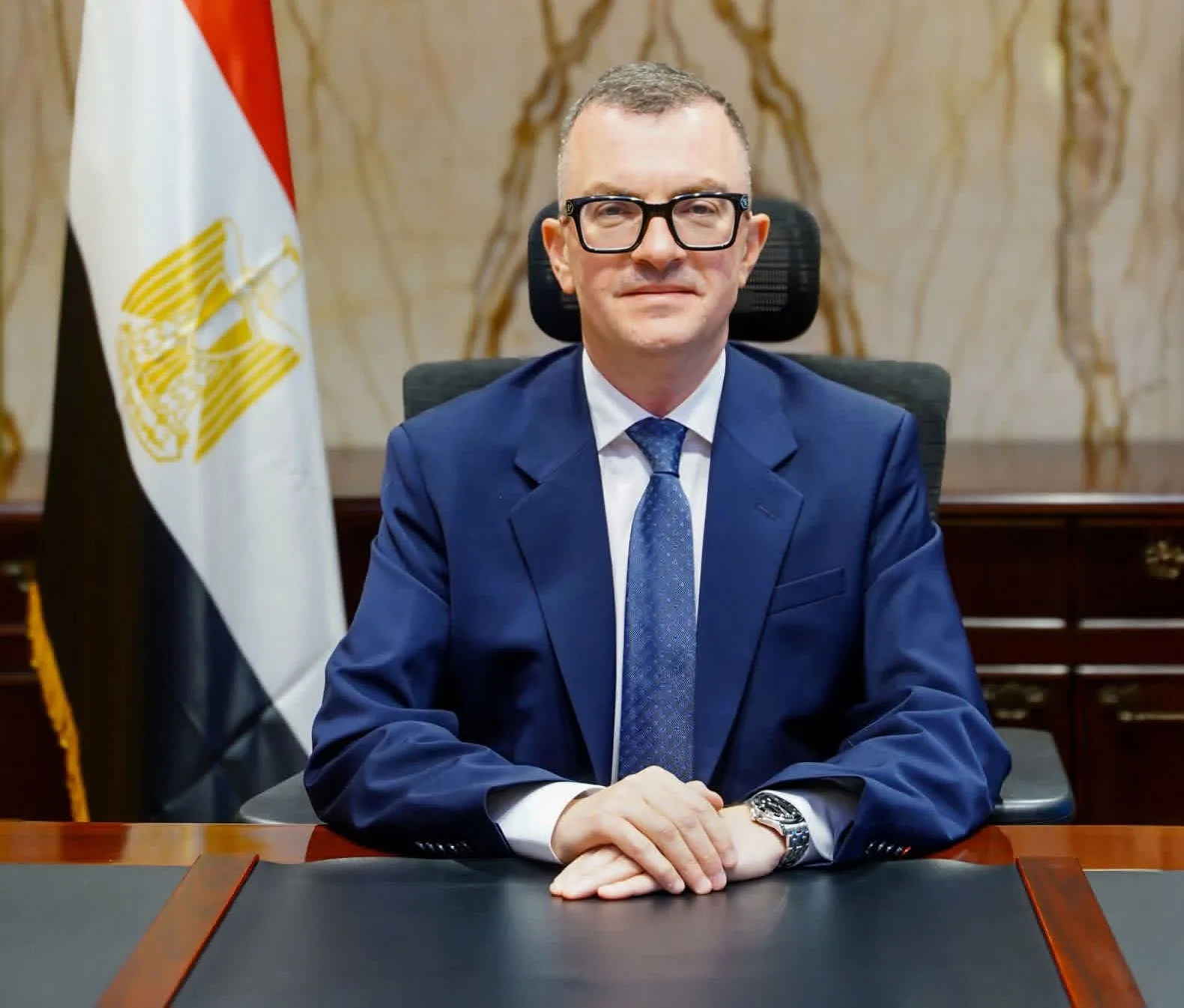
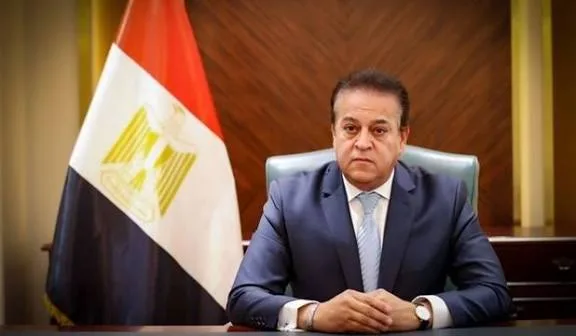




Minister of Planning and Economic Development Ahmed Rostom said the Egyptian government targets around $22 billion or more in foreign direct investment (FDI) in the coming fiscal year 2027/28.
The minister has made it clear that the government is focused on strengthening the resilience of the national economy amid ongoing geopolitical tensions and global crises by proactively identifying and addressing potential risks.
His remarks came during a televised interview with Bloomberg’s Francine Lacqua in London, following his participation in the eighth edition of the Ambition Africa Forum.
Rostom said Egypt recorded economic growth of 5.1 per cent in the last fiscal year, one of the highest rates in both the Middle East and Africa. He added that the economy expanded by 4.9 per cent during the first quarter of the current fiscal year.
Addressing the economic repercussions of the Iran conflict, Rostom described the energy crisis as the main source of pressure and uncertainty, not only for Egypt but for the global economy as a whole.
He stressed the importance of adopting smart policies to manage these challenges while capitalising on emerging opportunities. Egypt, he said, is benefiting from the diversified structure of its economy, which spans energy, industry, agriculture and services.
On FDI inflows, Rostom noted that Egypt attracted $18 billion in FDI during the last fiscal year and aims to maintain this momentum by increasing inflows to around $22 billion or more in the coming fiscal year.
The minister highlighted tourism, information and communications technology (ICT), and logistics among the sectors where the government seeks to expand private sector participation.
Discussing Egypt’s economic transformation programme, Rostom said private sector investments currently account for about 60 per cent of total investments, with a target of raising this share to 67 per cent over the next four years.
He said the private sector has significant opportunities to expand its role in ICT, which is regarded as a key driver of the future economy, as well as in tourism, agriculture and the broader services sector.
Rostom added that substantial opportunities also exist in manufacturing as Egypt works to deepen its industrial base and strengthen domestic production capabilities.
He emphasised that Egypt has demonstrated its resilience and attractiveness as an investment destination despite global challenges. Investors, he said, can expect further simplification of licensing procedures and additional measures to accelerate implementation of the State Ownership Policy.
These reforms are expected to create more opportunities for private sector investment across priority sectors, including ICT, logistics and energy, where private companies already play a significant role.
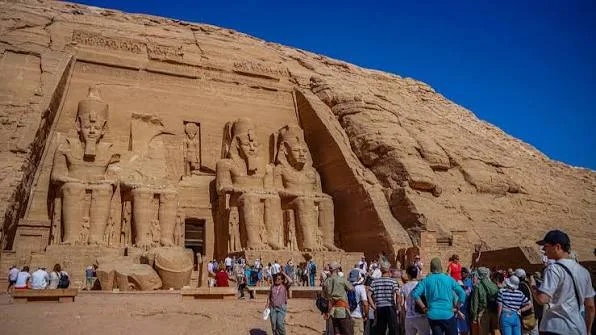
Rostom reaffirmed that Egypt remains open to investment across all sectors, particularly tourism. He noted that tourism revenues reached approximately $18 billion during the last fiscal year and expressed optimism about attracting further investments to the sector.
He also welcomed increased investment in logistics, citing the strategic importance of the Suez Canal as one of the world’s most critical trade routes.