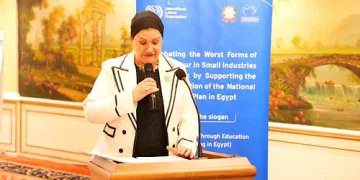







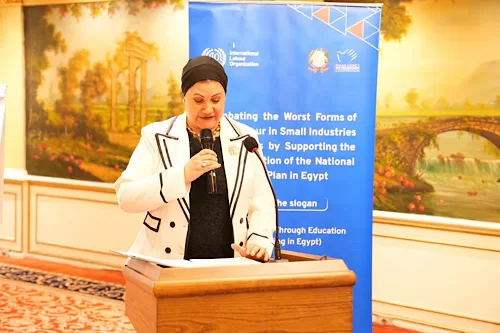
Tackling child labour is a shared national responsibility requiring preventive measures, early intervention, and social and economic support for families to safeguard children’s right to education and healthy development, National Council for Childhood and Motherhood (NCCM) Chairperson Sahar El-Sonbaty has said.
El-Sonbaty made the remark on Monday during the 10th meeting of the Tripartite Steering Committee overseeing the implementation of Egypt’s National Action Plan to Combat the Worst Forms of Child Labour and Support Families (2018–2025).
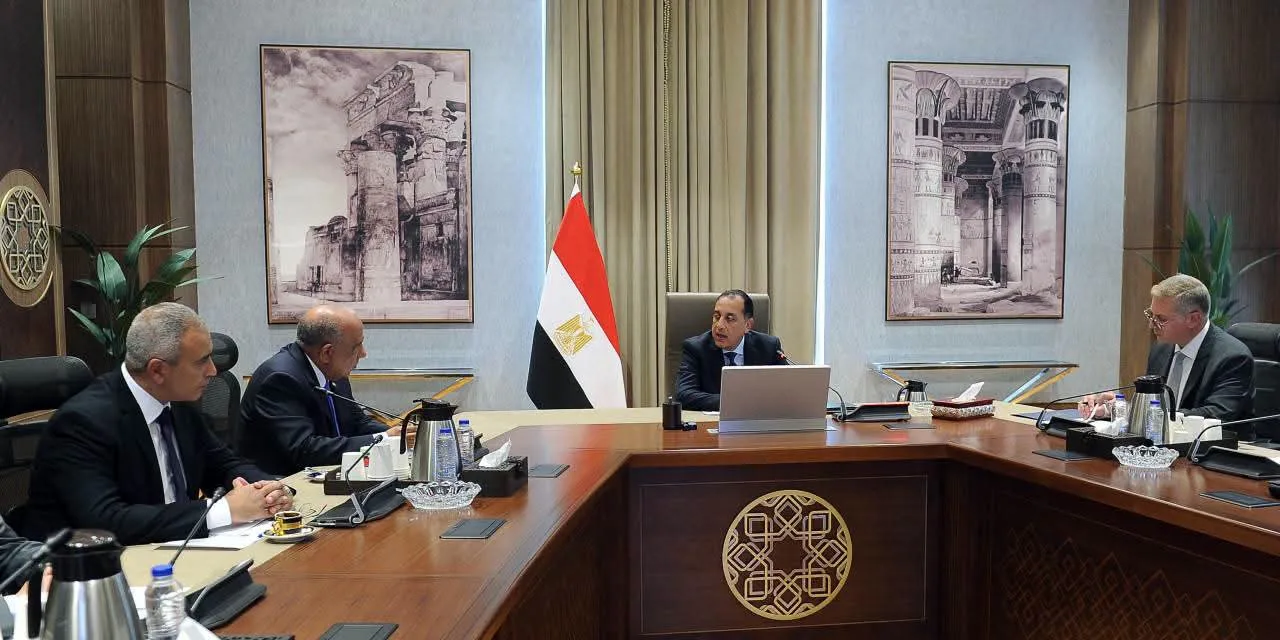
The gathering was attended by Minister of Labour Hassan Raddad, International Labour Organisation (ILO) Egypt Director Eric Oechslin, Chair of the Egyptian Trade Union Federation (ETUF) Abdelmonem El-Gamal, and representatives of a number of relevant national bodies.
Participants reviewed the initial draft of the second generation of the National Action Plan for 2026–2030, as well as the national system for monitoring, managing, and referring cases of child labour.
Protecting children from the worst forms of labour requires concerted national and international efforts, El-Sonbaty told the event. Addressing child labour is closely linked to empowering families and providing them with safe alternatives, she noted.
Efforts should not be limited to removing children from hazardous working environments, but should also address root causes, provide social protection, and ensure that children remain in education to prevent them from dropping out or returning to work, she stressed.
The NCCM chair lauded the national system for monitoring and managing cases as a key step towards establishing an integrated framework that clearly defines responsibilities and ensures the swift identification, referral, and follow-up of cases.
Meanwhile, Ashraf Saad, director of the NCCM’s Child Labour Combating Programme, presented the national system for monitoring, managing, and referring child labour cases in line with the unified operational procedures manual.
The system aims to standardise working methods, organise procedures, and establish clear referral pathways to ensure that children and their families receive the services to which they are entitled.

