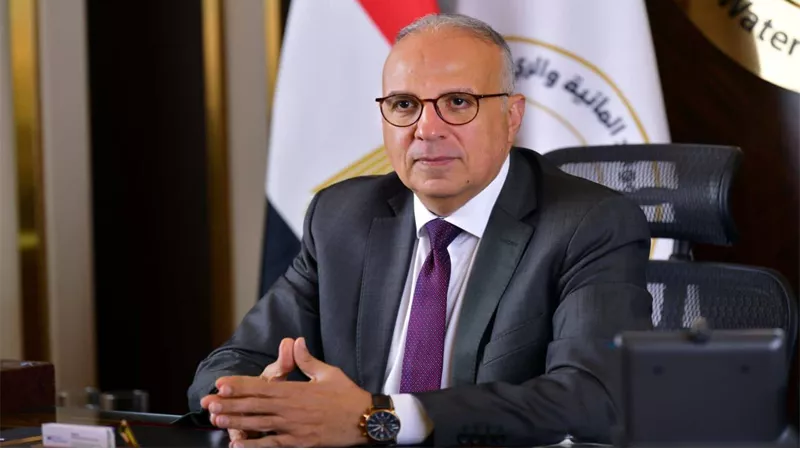




Minister of Water Resources and Irrigation Hani Swailem has affirmed that Egypt has implemented a wide range of measures and projects to address potential risks associated with the Ethiopian dam, aiming to protect Egyptian citizens from any adverse impacts.
He said Egypt currently reuses 23.2 billion cubic metres of water annually as part of efforts to strengthen water security and address challenges arising from unilateral measures, climate change and population growth.
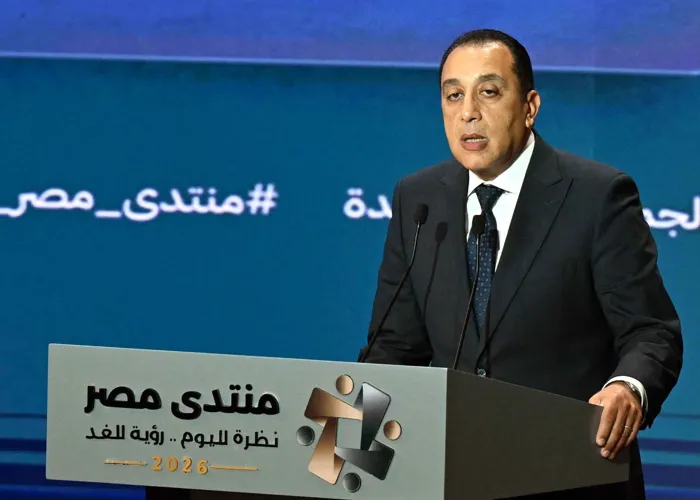
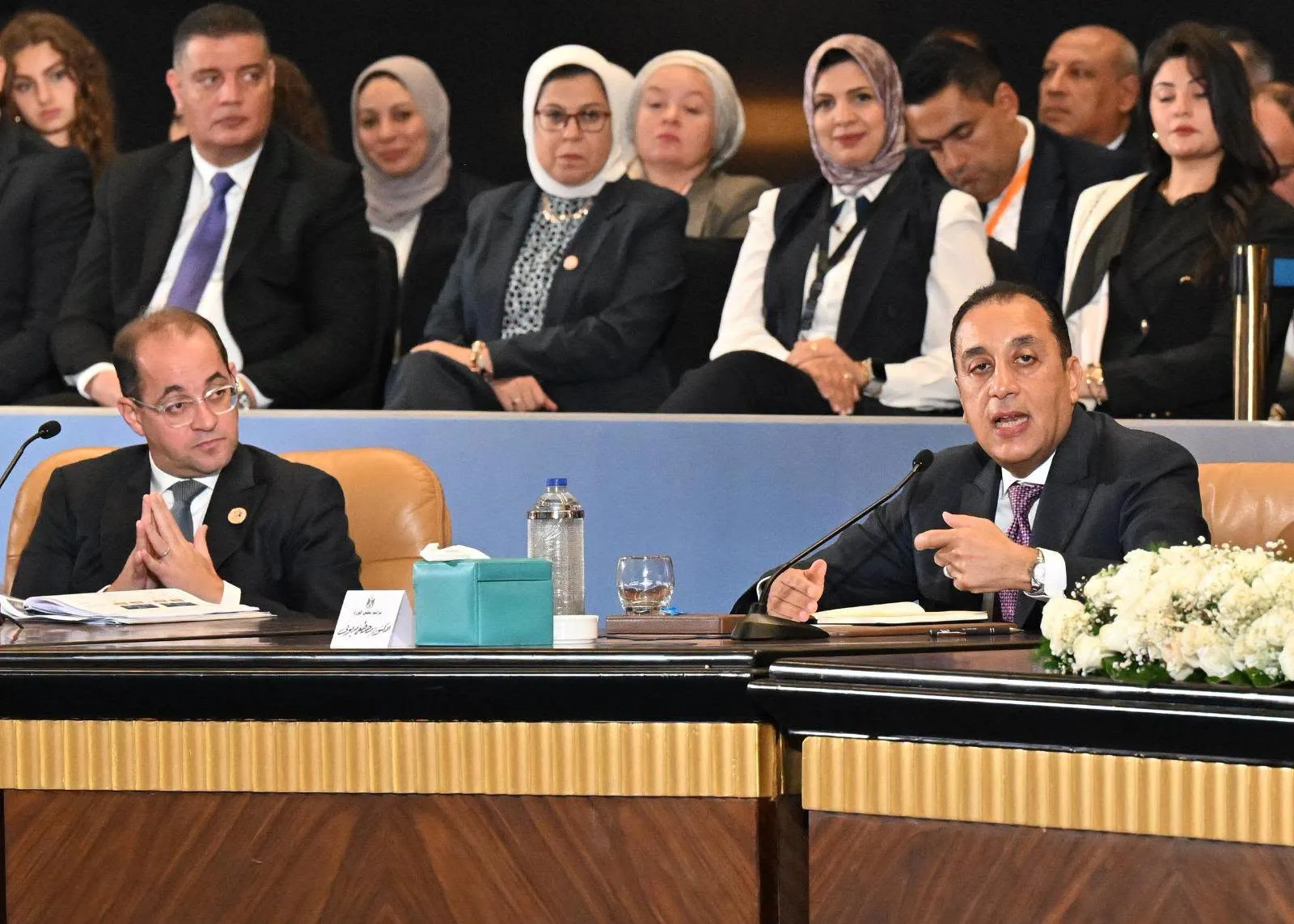
Speaking during a session entitled “National and Citizen Security” on the third day of Egypt Forum 2026, Swailem said President Abdel Fattah El-Sisi’s directives had focused on protecting Egyptian citizens from potential harm. This had led to the implementation of water treatment plants, canal-lining projects, the New Delta projects and large-scale water reuse facilities, some of which rank among the largest of their kind worldwide.
The minister said water reuse projects were a key component of Egypt’s strategy to preserve its water resources and enhance its capacity to address mounting challenges. These projects also aim to protect citizens against the consequences of unilateral measures that could affect water resources, mitigate the impacts of climate change and meet rising demand resulting from population growth.
He explained that establishing water treatment plants involved more than constructing and operating facilities, requiring an integrated system of engineering and industrial works to transport, collect, pump and treat water for reuse in agricultural development projects.
The projects also involve transporting water from the northern Delta to the Western Desert and pumping it against the natural gradient using large-scale pumping stations until it reaches the New Delta station. There, the water is treated and reused to irrigate approximately 2.2 million feddans in the Western Desert.
Swailem said the projects had been implemented in Egypt and that investments in the water and agricultural development projects he outlined amounted to approximately LE 800 billion.

