







Minister of Investment and Foreign Trade Mohamed Farid Saleh said the government is preparing an integrated investment package to attract data centre projects to Egypt, in co-operation with the ministries of communications and information technology, and electricity and renewable energy.
The package will identify suitable sites and secure the necessary licences and approvals to speed up project implementation and simplify procedures for investors, Farid said.
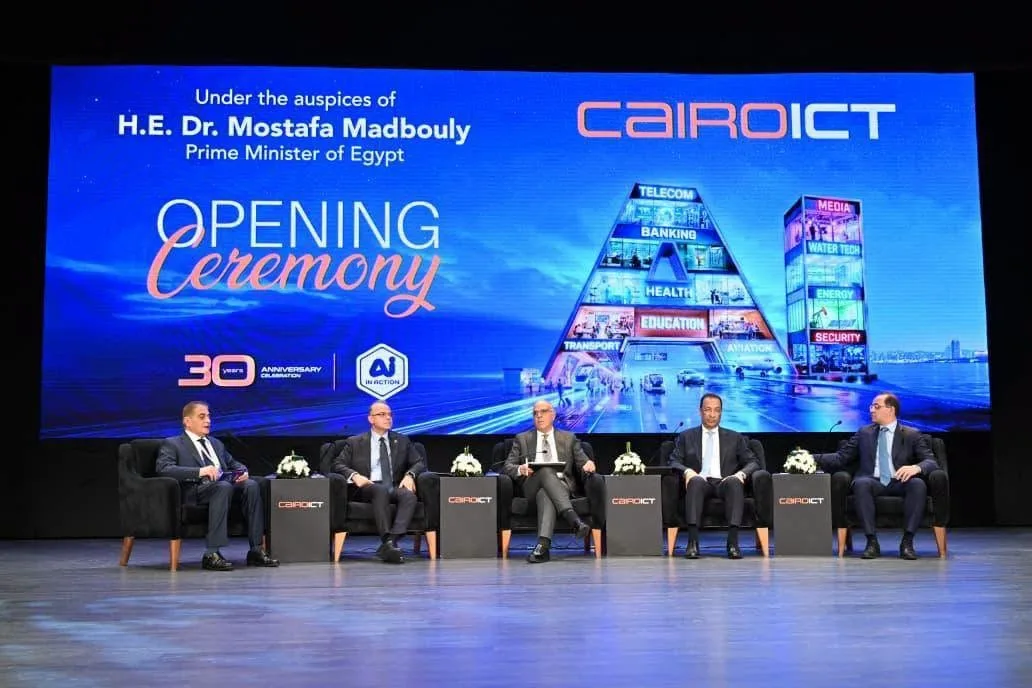
He was speaking during a ministerial session at the Cairo International Technology Exhibition and Conference (Cairo ICT) on Saturday.
The session was attended by the ministers of finance, communications and information technology, and water resources and irrigation. It discussed the use of artificial intelligence (AI) and digital transformation to improve government services, boost foreign trade and attract technology investment.
Farid said the ministry was working to implement recommendations from Egypt Forum 2026 to complete the digitalisation of services for investors and exporters. The move will allow companies to submit documents and complete government procedures without having to travel between governorates.
The plan covers the General Authority for Investment and Free Zones (GAFI), the General Organisation for Export and Import Control (GOEIC) and the Export Development Fund (EDF).
The ministry is also developing a digital platform for export-related services, including participation in international exhibitions and services provided by the EDF.
The system will use electronic identity verification and AI to analyse applications, improve efficiency and manage complaints, enabling the ministry to monitor investors’ challenges and address them.
Farid said the ministry was co-ordinating with the Ministry of Finance to use technology and AI to strengthen oversight of free zones, monitor the movement of goods through ports and analyse import and foreign trade data to support policy-making.
He also announced plans to launch a Trade Technology Regulatory Sandbox, allowing companies and entrepreneurs to develop innovative digital solutions for exporters using databases held by the ministry’s affiliated entities, in line with applicable regulations. These tools will help businesses identify export opportunities and access foreign markets.
Farid stressed the need to broaden Egypt’s exporter base, noting that 50 companies accounted for around 43 per cent of Egyptian exports between 2021 and 2026. Supporting small and medium-sized enterprises (SMEs) and equipping them with technology to reach international markets are essential to improving the competitiveness of Egyptian products, he said.
Attracting data centre investment also requires reliable technological infrastructure, equipment, cooling systems and sufficient energy supplies, he said, calling for flexible regulatory and investment frameworks that enable investors to benefit from the free zone system.
He added that the Investment Law provides a legal basis for issuing licences and prior approvals, helping reduce the time needed for projects to begin operations. Co-operation among the relevant ministries and implementation of the national AI strategy are essential to strengthening the Egyptian economy’s competitiveness and attracting further investment, he said.

