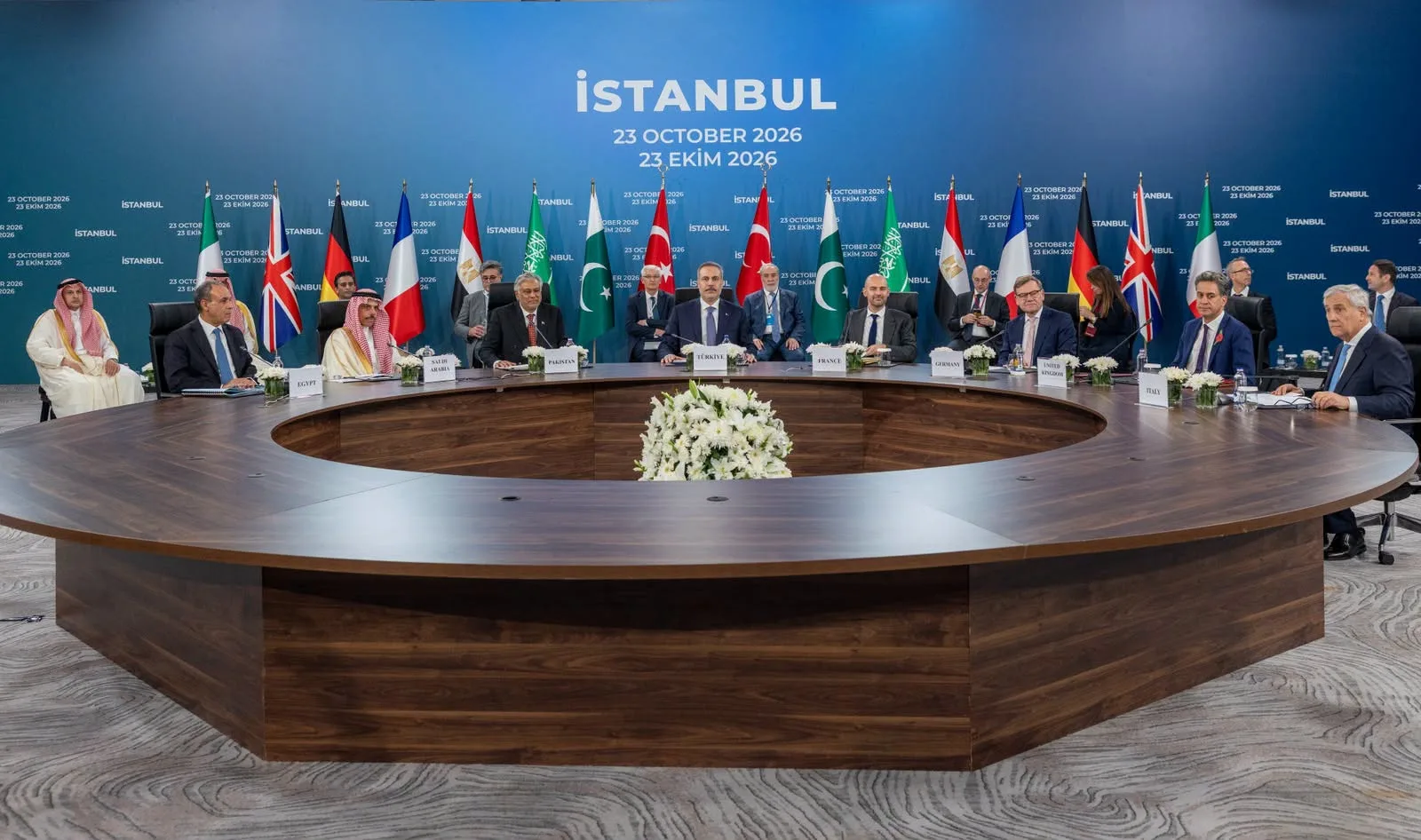

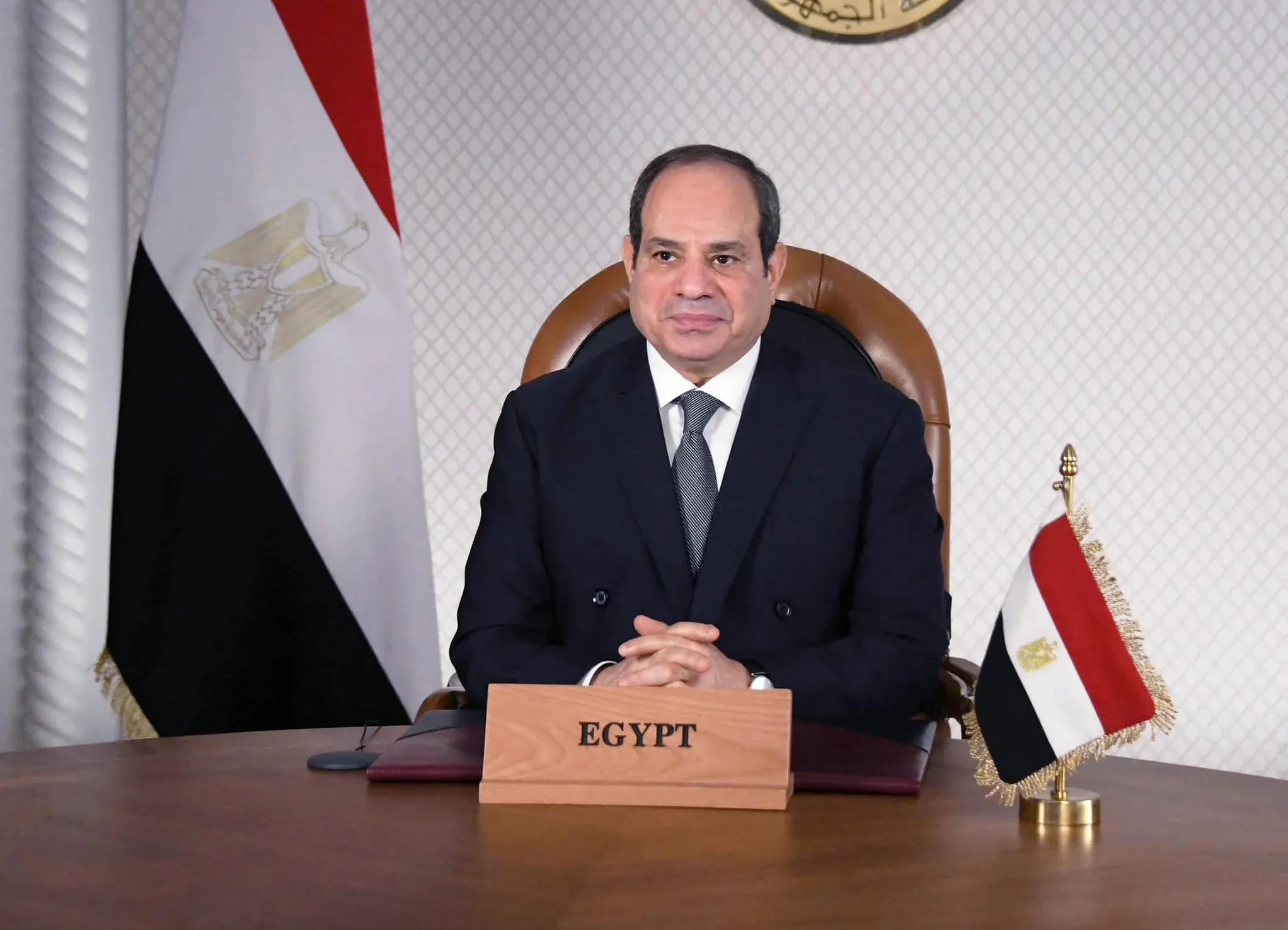






Egyptian Foreign Minister Badr Abdelatty took part on Friday in the first joint ministerial meeting of the R4 mechanism and the European E4 group, held on the sidelines of Quad meetings aimed at supporting efforts to de-escalate tensions in the Middle East.
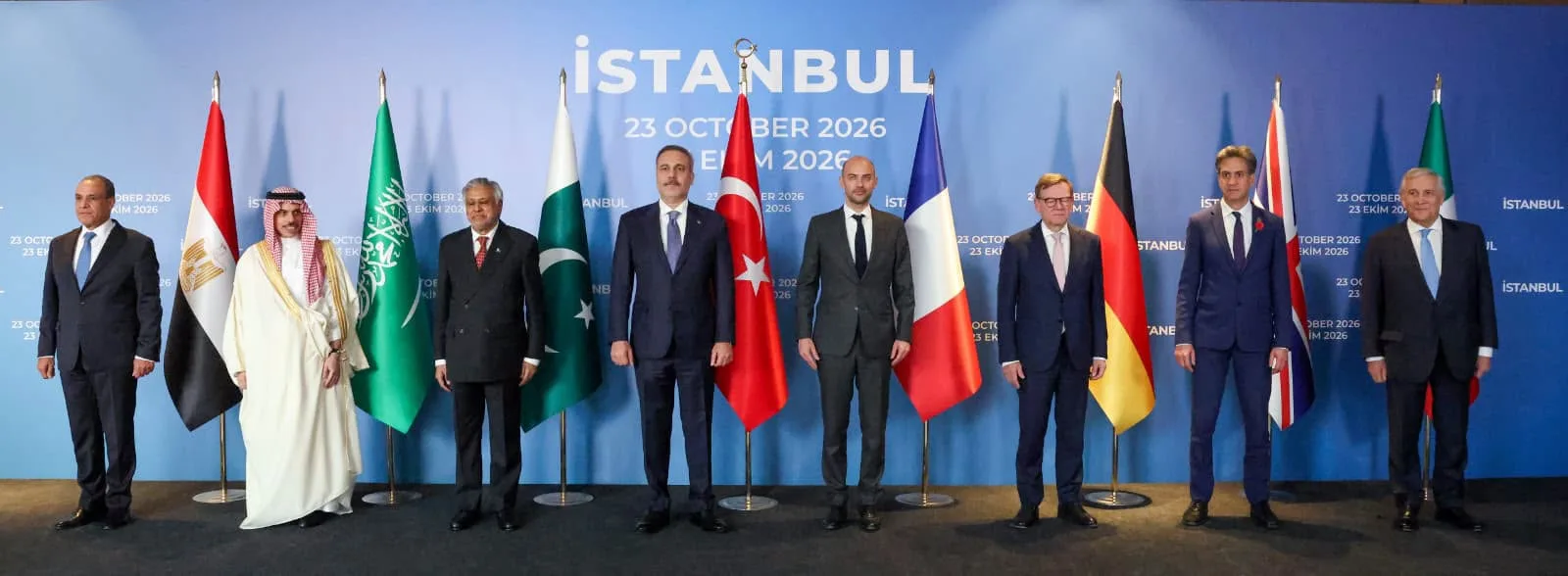
The meeting brought together the foreign ministers of the four R4 countries: Saudi Arabia’s Prince Faisal bin Farhan, Türkiye’s Hakan Fidan and Pakistan’s Deputy Prime Minister and Foreign Minister Mohammad Ishaq Dar, alongside Abdelatty.
The E4 was represented by Italy’s Deputy Prime Minister and Foreign Minister Antonio Tajani, Britain’s Foreign Secretary Ed Miliband, Germany’s Foreign Minister Johann Wadephul and France’s Minister for Europe and Foreign Affairs Jean-Noël Barrot.
The eight ministers discussed ways to strengthen de-escalation efforts and avert serious security, political and economic consequences for the region and the world. They said a peaceful solution would prevent the region from sliding back into renewed military confrontations.
Minister Abdelatty said the meeting’s timing reflected participants’ recognition of the risks of a return to military escalation and the importance of reducing tensions, and of promoting peace and stability. He said the R4 mechanism played an active role in those efforts and that the meeting offered an opportunity for the E4 countries to join joint efforts to contain tensions.
He stressed the importance of halting escalation, advancing political and peaceful solutions and dialogue, and breaking the current deadlock in negotiations to support a resumption of diplomacy and reach understandings that could end the crisis. He cited the crisis’s severe negative consequences for countries in the region and around the world.
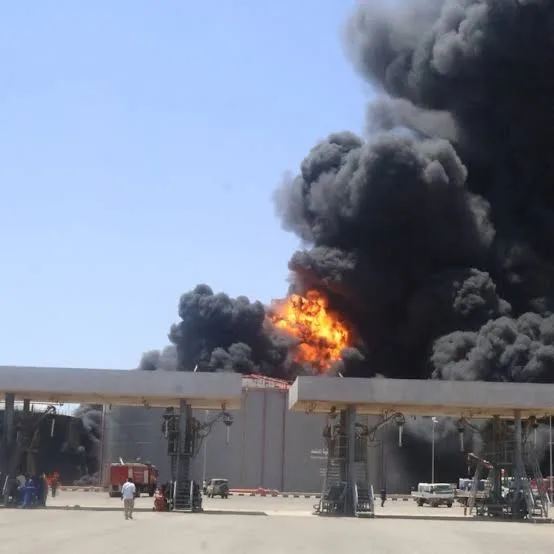
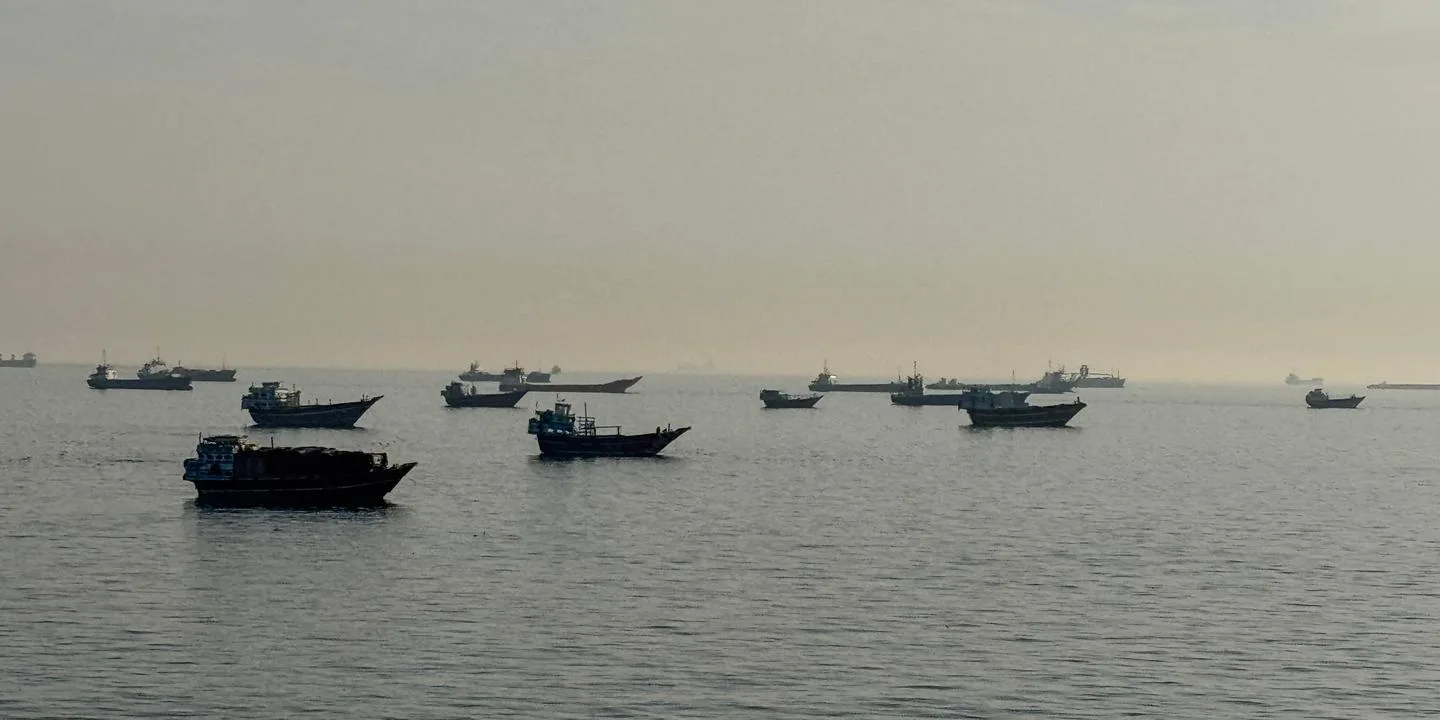
The ministers reiterated their support for Saudi Arabia and called for an end to attacks on international shipping and for full and safe freedom of navigation.
They also discussed strengthening food security amid current international challenges, noting pressure on food markets and global supply chains from regional and international tensions.
They called for stronger international coordination to ensure the sustained flow of grain and essential food commodities and to limit the impact of crises on the countries most affected, particularly Egypt and African nations.

