





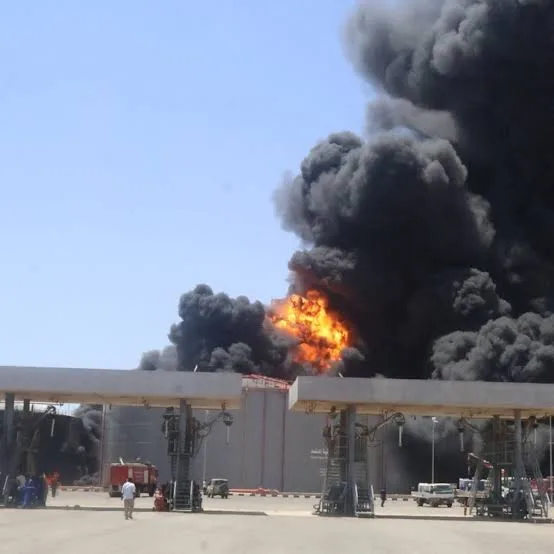




Diesel fuel is no longer just an energy commodity traded quietly in global markets. In recent months, it has transformed into the focal point of a multi-dimensional crisis, where geopolitical calculations intertwine with supply chain bottlenecks and political decisions made in capitals far from traditional energy markets.
From Brussels to Washington, and from Singapore to Dubai, the same alarm bell is ringing: the world is facing mounting pressures on diesel supplies, and the consequences could be far deeper than just higher prices at the pump.
Europe: Between threatened strategic reserves and mounting US pressure
Today, the European continent finds itself facing a real dilemma. After years of restructuring its energy sources to move away from Russian dependence, Europe has become increasingly reliant on diesel imports from the United States, the Middle East, and India. However, this fragile equation is now undergoing an unprecedented test.
The European Commission and EU governments are facing growing pressure to release part of their strategic diesel reserves in an attempt to absorb a potential supply shock. European diesel stocks, which serve as the lifeblood for road transport, heavy industry, and agriculture, are now under the microscope of policymakers like never before.
Compounding the crisis is the threat of US restrictions on diesel exports. Under the Trump administration, policies prioritizing the domestic US market have emerged, accompanied by threats to potentially restrict exports of refined oil products—diesel chief among them—to ensure domestic price stability and secure the needs of the US economy. Given that the United States is one of the world’s largest diesel exporters, any actual restriction on US exports would cause immediate shockwaves in global markets, with Europe at the forefront of those affected.
But the greatest mistake would be to assume this is solely a European crisis. Reality indicates that the diesel problem has become a global phenomenon with repercussions spanning continents:
In Asia: Countries like India and Indonesia are facing surging domestic demand for diesel, driven by industrial growth and infrastructure expansion, which reduces the export surplus that other markets have relied upon.
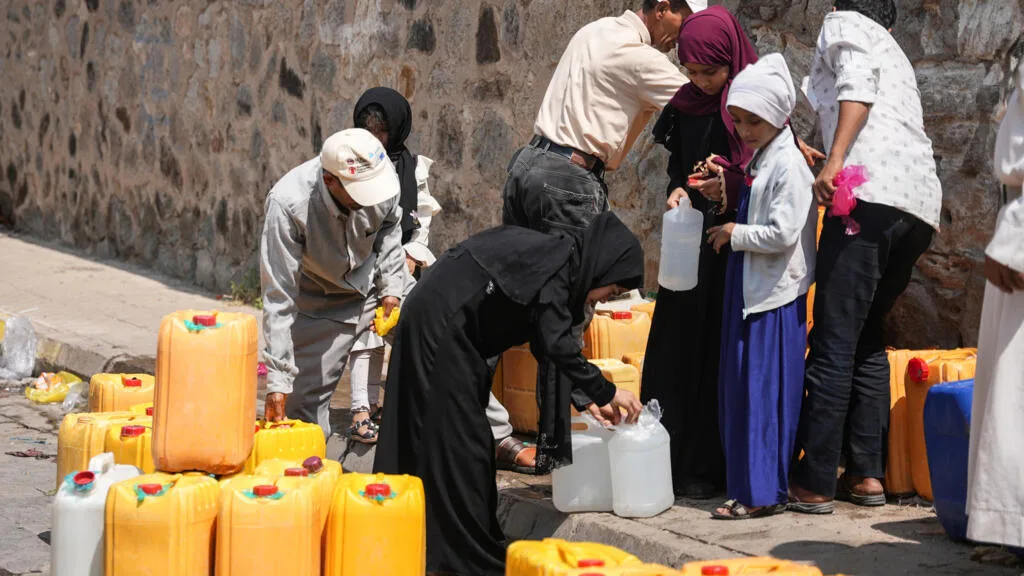
In Africa: Many countries suffer from severe and recurrent diesel shortages, threatening transport and power sectors where diesel generators play a major role.
In Latin America: The gap between domestic production and demand is widening, with increasing reliance on imports amid price volatility.
In the Middle East: Although the region is one of the world’s largest producers of crude oil, refining capacity for diesel does not always keep pace with growing local and regional demand. Gulf countries are investing heavily in expanding their refineries, but the time lag between planning and operation creates periods of deficit that must be bridged through imports from other markets.
The situation in the Middle East represents one of the most striking paradoxes in the global diesel market. The region that pumps millions of barrels of crude oil daily finds itself in urgent need of securing stable supplies of refined diesel for several reasons:
1. Rapid population and urban growth, which drives up demand for transport and logistics.
2. Ambitious industrial expansion under economic diversification visions (such as Saudi Vision 2030 and development projects in the UAE and Oman).
3. Reliance on diesel generators for power generation in some countries, especially during peak demand periods.
4. Contractual obligations to re-export to African and Asian markets that rely on Gulf ports as regional distribution hubs.
Combined, these factors make securing diesel supplies a strategic priority for regional governments, not merely a routine commercial matter.
Amid this multi-faceted crisis, the pivotal role played by international Oil & Gas Trading Companies comes to the forefront. These companies do not act merely as middlemen; they form the invisible infrastructure that connects surplus production in one region with deficit in another, managing the logistical, financial, and temporal risks that many government entities cannot handle alone.
Among the companies that have proven effective in this landscape, Petro Oil and Gas Traders stands out as an entity possessing unique qualifications that position it to play a pivotal role in securing diesel supplies, particularly for Middle Eastern governments.
Petro oil and gas traders: Exceptional capabilities in an exceptional market
1. Integrated Global Supply Network
The company boasts an extensive network of commercial relationships spanning the world’s most important diesel production and refining hubs—from refineries on the US Gulf Coast and the Arabian Gulf, to refining centers in Singapore, India, and South Korea. This network grants it unique flexibility to rapidly identify alternative sources when bottlenecks occur in a specific supply route, a crucial advantage in times of crisis.
2. Deep Experience Dealing with Governments and Sovereign Entities
The company does not deal exclusively with the private sector; it has a proven track record of collaborating with governments and sovereign bodies in the Middle East to secure their needs for refined oil products. This type of engagement requires a precise understanding of government protocols, the ability to provide high-level financial and operational guarantees, and strict adherence to the transparency and compliance standards demanded by state entities—competencies possessed by only a few companies.
3. Advanced Logistical Infrastructure
The company has access to marine shipping fleets and multimodal transport solutions, enabling it to manage supply chains from the loading point at refineries to the delivery point at government ports and storage facilities. It also possesses expertise in managing strategic storage operations, which is vital for countries seeking to build protective diesel stockpiles.
4. Financial and Risk Management Capabilities
The diesel market is characterized by sharp price volatility, especially during geopolitical crises. The company possesses sophisticated hedging and financial risk management tools, allowing it to offer relatively stable and competitive prices to its government clients, shielding them from direct exposure to immediate market fluctuations.
5. Agility and Rapid Response
In a world where conditions can change overnight—a sudden export ban, a major refinery outage, or a shipping crisis in a vital strait—speed of response is the most distinguishing trait of a successful trading company. Petro Oil and Gas Traders has proven its ability to reroute shipments, secure alternative sources, and accelerate timelines in response to client demands during crises.
6. Strategic Understanding of Middle East Requirements
What particularly distinguishes the company is its deep understanding of the operational and political environment in the Middle East. It recognizes that securing diesel for a government in the region is not just a commercial deal, but a matter of national security affecting the stability of transport, industry, and essential services. This understanding translates into dealings characterized by seriousness, reliability, and long-term commitment.
Future outlook: Diesel will remain at the heart of the equation
Forecasts by Dr. Sami Al-Hеlali, Chairman and CEO of Petro Oil and Gas Traders, indicate that pressures on the global diesel market will not fade in the foreseeable future. The transition to renewable energy, despite its acceleration, has not yet reduced diesel demand in hard-to-electrify sectors (such as heavy transport, maritime shipping, and heavy industry). Meanwhile, geopolitical shifts—from US trade policies to tensions in maritime chokepoints, are adding new layers of uncertainty.
In this complex landscape, the ability to secure reliable and flexible diesel supplies will be one of the most critical determinants of economic stability in many nations. Companies like Petro Oil and Gas Traders, with their global networks, sovereign expertise, and advanced logistical and financial capabilities, will be uniquely positioned to serve as indispensable strategic partners for governments seeking to protect their economies from supply shocks.
The current diesel crisis is not merely a transient fluctuation in energy markets. It is a reflection of profound shifts in the geopolitics of energy and in global supply and demand patterns. Amid these transformations, there is a pressing need for entities capable of bridging gaps and building connections between producers and consumers across continents.
Petro Oil and Gas Traders stands today at the heart of this equation, armed with a global network, sovereign expertise, and a logistical and financial infrastructure that makes it one of the most prominent players capable of helping Middle Eastern governments—and others—navigate this storm and secure the lifeblood that diesel fuel represents for their economies and societies.
In a world where energy, politics, and economics are deeply intertwined, it is not enough to simply own the oil—you need to know how to get it to you, at the right time, and under the right conditions. This is exactly what Petro Oil and Gas Traders does.

