









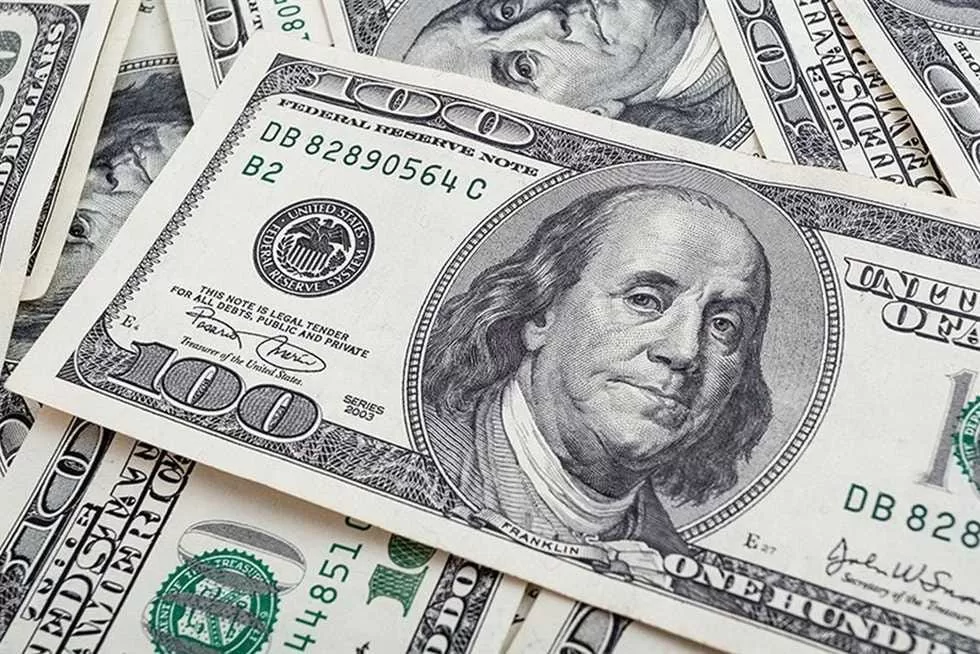
Egypt’s net foreign reserves hit a record high of $55.07 billion at the end of June 2026, rising by about $1.94 billion in just one month, the Central Bank of Egypt (CBE) has said.
Last week, Prime Minister Moustafa Madbouly pointed to this milestone as a sign of the economy’s growing stability and stronger foreign currency inflows.
Speaking during a tour of development projects in a number of governorates, the prime minister said his government has formulated a broader plan to boost foreign currency earnings by tapping into multiple sources instead of depending on just one.
That strategy, he said, focuses on increasing merchandise exports, drawing in more foreign direct investment, raising tourism revenues, encouraging higher remittances from Egyptians abroad, maintaining the Suez Canal’s competitive edge, and speeding up industrial output.
Recent figures from the Ministry of Investment, meanwhile, show foreign direct investment jumping by roughly a third to $13 billion in the first nine months of the fiscal year that ended June 30.
Remittances, Egypt’s single largest source of foreign currency, rose more than 30% over the last fiscal year.
At the same time, the government has rolled out new incentives to attract both local and international investors, simplify licensing, and make doing business easier.
A staff-level agreement reached last month with the International Monetary Fund could unlock another $1.5 billion under the Extended Fund Facility and about $136 million through the Resilience and Sustainability Facility.
If approved by the Executive Board of the international lender, total disbursements under these programmes would reach around $7.2 billion.
“Egypt’s economy had remained relatively stable, despite regional conflict and external pressures,” the IMF said in a recent statement.
The fund credited the government’s steps on energy pricing, power consumption, spending focus, and expanded social protection for vulnerable families.

