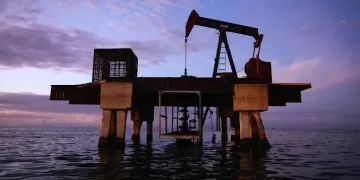









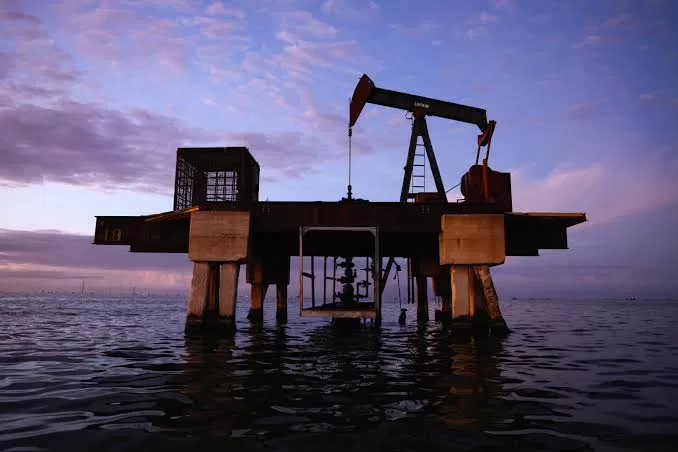
Oil prices rose by over 2% after the US struck an Iranian island in the Strait of Hormuz and Tehran retaliated against US bases, as the Middle East conflict entered its sixth month.
Brent crude futures rose $2.51, or 2.85%, to $90.61 a barrel, while US West Texas Intermediate crude futures gained $2.13, or 2.55%, to reach $85.53 a barrel.
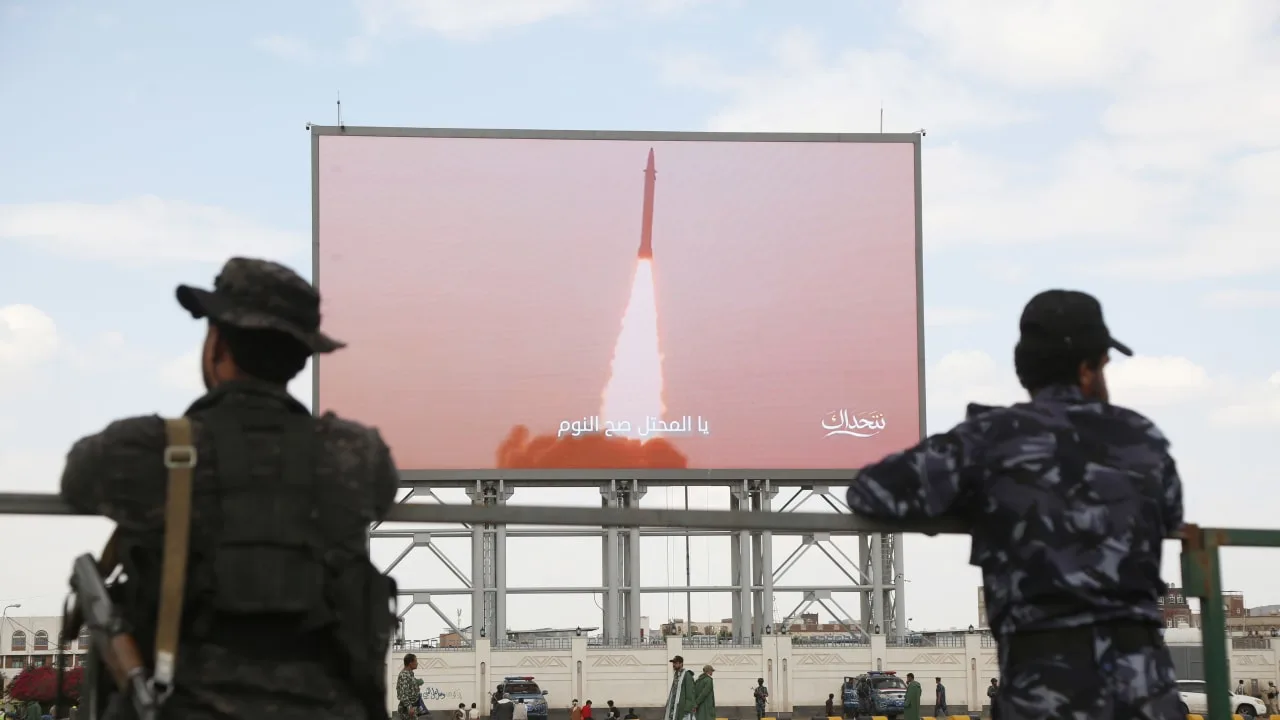
US forces on Sunday launched strikes against two launch pads on Iran’s Larak Island in the Strait of Hormuz, marking the first known American strikes against Iran since late July.
In response, Iran attacked two US air bases. IG market analyst Tony Sycamore noted that developments indicate the conflict has entered a new escalation phase that could last days or weeks.
Technical analysis showed that if escalating tensions push WTI past the $85.80-$85.90 resistance level, it could open the door for further gains toward last week’s high of $87.69 and July’s high of $93.50, Sycamore added.
Negotiations to end the conflict stalled as mediators work to reopen the Strait of Hormuz, which previously carried roughly one-fifth of global oil consumption before hostilities began in late February.
US Treasury Secretary Scott Bessent said Washington will likely unveil weekly secondary sanctions to completely isolate Iran from the dollar-based financial system.
Brent and WTI are heading for modest monthly declines in August, following a weekly slide of over 4% last week that marked their first weekly loss in three weeks.
ANZ analysts said in a client note that the path toward a reopening deal remains unclear, though increased oil flows through the strait helped mitigate supply disruption concerns.
Shipping data showed that commodity vessels crossing the strait dropped to five per day over the weekend, reflecting shipper caution over potential attacks.
The UK Maritime Trade Operations reported that a projectile struck an oil tanker sailing toward the strait on Saturday.
US President Donald Trump stated that oil from a recently concluded deal with Venezuela will be used to refill the US Strategic Petroleum Reserve, which has fallen near 44-year lows.

