





Cairo and Khartoum have affirmed their rejection of any threat to Sudan’s unity or territorial integrity, reiterating their determination to boost joint coordination to restore stability in the country.
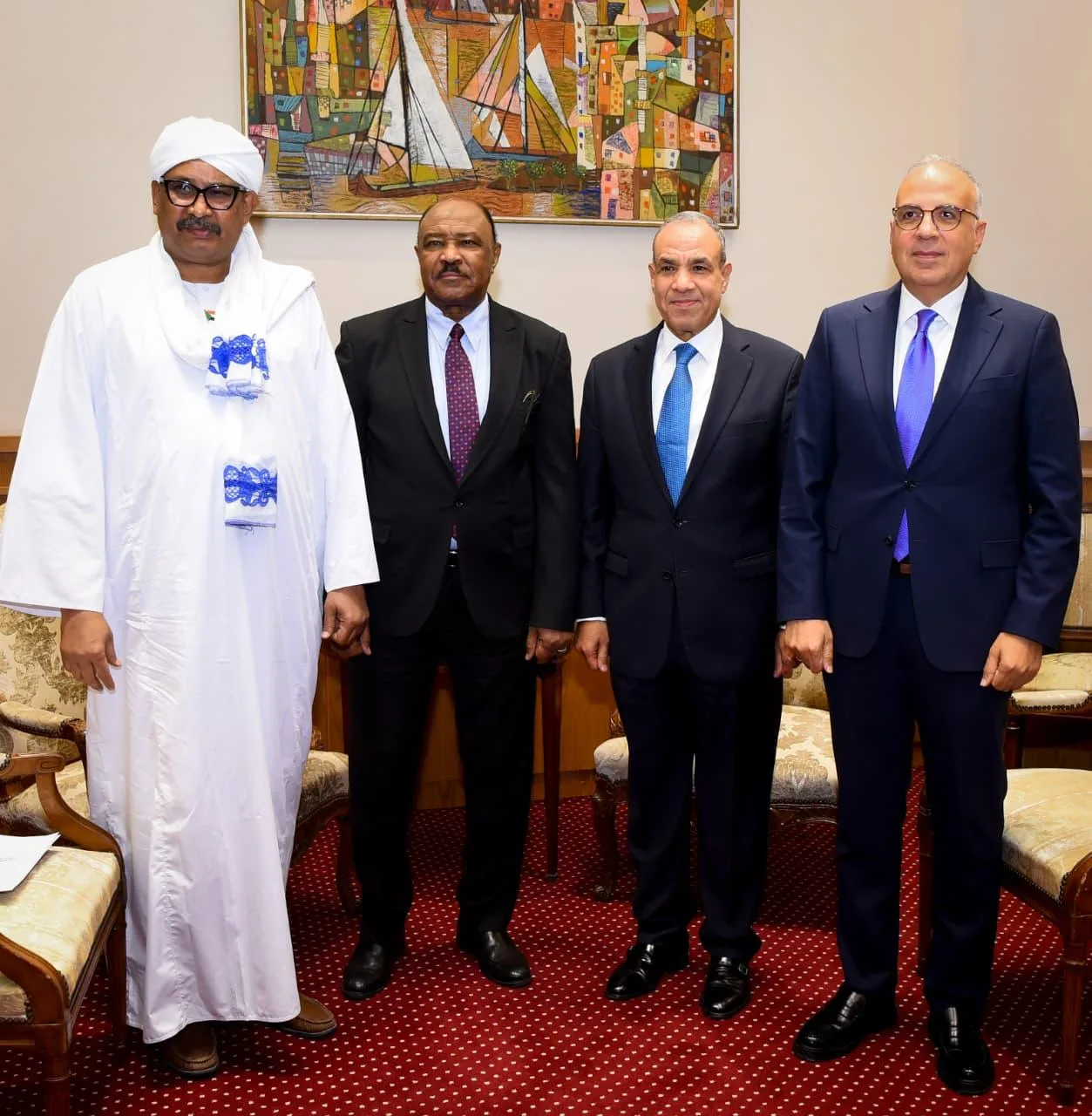
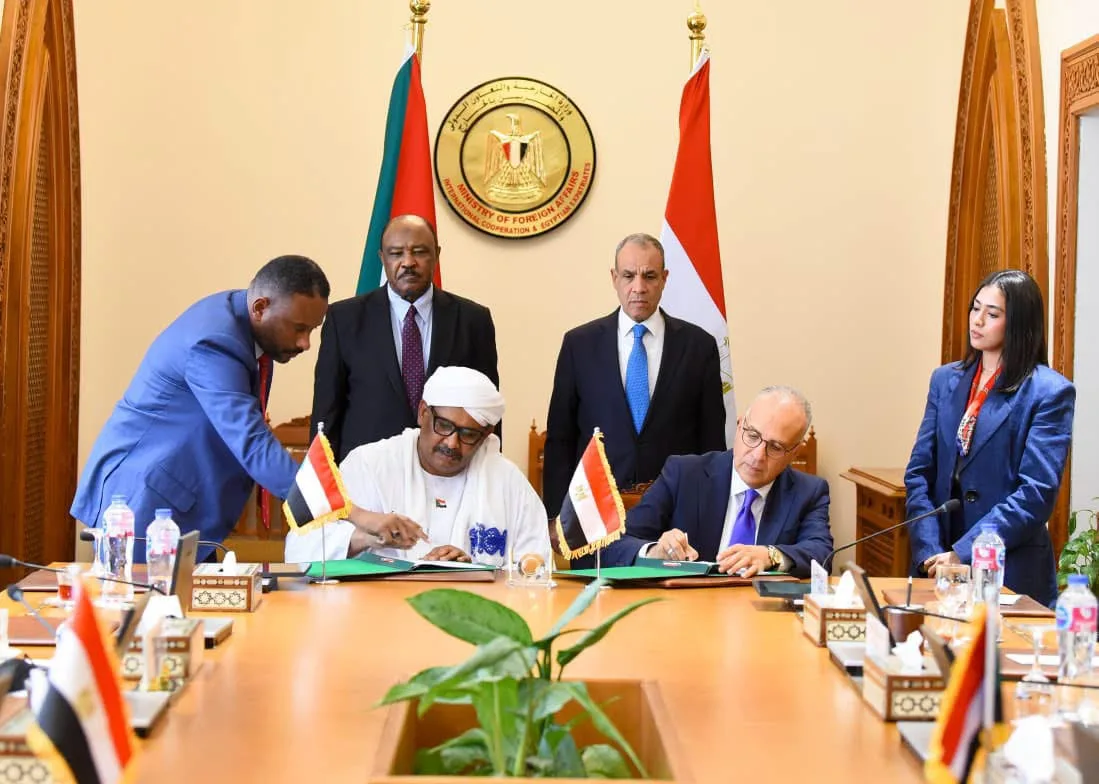
The stance was expressed in the 3rd round of the 2+2 consultation mechanism between the Egyptian and Sudanese Ministers of Foreign Affairs and Irrigation held in Cairo on Monday, with the participation of the ministers and delegations from both sides.
The Egyptian side was led by Minister of Foreign Affairs, International Co-operation, and Egyptian Expatriates, Badr Abdelatty, and Minister of Water Resources and Irrigation, Hani Swailem.
The Sudanese delegation was led by Minister of Foreign Affairs and International Co-operation, Mohi El-Din Salem, and Minister of Agriculture and Irrigation, Ismat Qurashi.
The Egyptian side reaffirmed Cairo’s unwavering support for the Sudanese people and their national institutions, reiterating the position outlined in the statement issued by the Egyptian Presidency on December 18th, 2025, on the direct link between Egyptian and Sudanese national securities, a joint statement read on Monday.
During the consultations, the two sides reviewed the implementation of the outcomes of the 2nd round of the 2+2 consultation mechanism, held in September 2025, as well as the directives issued by the premiers in both countries during their joint consultations on February 26th, 2026.
The consultations addressed ways to advance bilateral relations across various political, economic, water-related, cultural, social, and humanitarian fields.
Both sides reaffirmed their shared destiny and their firm belief in the common heritage that unites the two brotherly countries.
Meanwhile, the two sides reviewed developments pertaining to issues of the River Nile and emphasised that the “water security of Sudan and Egypt is inextricably linked as a singular indivisible entity”.
They agreed on the necessity of defending the water security of the Nile’s two downstream states, upholding their rights and existing water uses as stipulated in the 1959 Agreement and ensuring that no infringement upon these rights is permitted.
They also reiterated their categorical rejection of any unilateral actions in the Eastern Nile Basin, agreeing that the unilateral Ethiopian dam, which violates international law, has serious repercussions and poses an ongoing threat to the two downstream Nile countries, given Ethiopia’s unilateral management of the dam and the absence of a legally binding mechanism governing its operation.
The position of the two sides is based on a call for co-operation and dialogue to protect the right to life and support the right to development, as well as joint action toward mutual benefit in accordance with international law, the statement stressed.
They also stressed the pivotal role of the Nile Basin Initiative (NBI) and the necessity of upholding the consensus-based principle upon which it was founded.
Meanwhile, the two delegations underlined necessity of respecting the principle of freedom of navigation, asserting that the Red Sea governance remains exclusively under the responsibility of its littoral states.
They also condemned the targeting by rebel militias of infrastructure in Sudan, especially power stations and water facilities, through launching drones from a neighbouring country.
Moreover, the two sides probed ways to bolster the recovery and reconstruction phase in Sudan.
The Sudanese side voiced hope to reinforce partnership with Egypt on recovery and reconstruction across all sectors, while commending the Egyptian initiative to assess the damage sustained by the Jebel Aulia Dam, as well as the ongoing maintenance work being carried out by a team of Egyptian technical experts in co-operation with Sudan’s Ministry of Agriculture and Irrigation.

