








Democrats sought on Monday to contain a rift in Michigan’s US Senate race after one of their own crossed party lines to endorse the Republican, as both parties made their final push before midterm elections that will determine control of Congress for the next two years.
US Representative Haley Stevens, who lost the Michigan Democratic Senate primary to Abdul El-Sayed in a bitter contest, publicly backed Republican Mike Rogers and appeared with him at a Detroit church.
The race is critical to Democrats’ hopes of ending the 53-47 Senate majority hold of President Donald Trump’s Republicans in Tuesday’s vote.
Stevens’ Sunday surprise came the same day a federal judge dismissed a US Justice Department lawsuit seeking to block certification of election results in Alaska if Republican incumbent Senator Dan S. Sullivan narrowly loses in the battleground state.
Trump, who has been holding daily rallies around the country for Republican candidates, was due to deliver remarks at 2 p.m. ET (1900 GMT) at the belated reopening of Washington’s Lincoln Memorial Reflecting Pool.
An earlier renovation as part of his beautification efforts for the US capital was botched by contractors, leading to the “American flag blue” liner peeling away, which Trump had wrongly blamed on vandals.
In Michigan, Stevens’ decision to endorse Republican Rogers surprised party leaders, with some members, such as Representative Debbie Dingell, saying that it created a “distraction” for Democrats.
Stevens said in a video posted to social media: “I don’t belong in Abdul’s campaign.”
A spokesperson for El-Sayed’s campaign said it raised $2.4 million on Sunday, its largest single-day fundraising haul, fueled by small-dollar donations averaging $36.74 from more than 65,000 donors.
Nonpartisan analysts generally favor Democrats’ chances of winning a majority in the House of Representatives.
Winning control of the Senate will be trickier, with those analysts now seeing races in traditionally Republican-leaning states including Texas, Kansas and Iowa as competitive for the opposition party, giving it more options for a path to the majority.
Control of either chamber would constrain Trump’s ability to pass legislation and empower Democrats to investigate his administration, while a Senate majority would also allow them to block his appointees to federal courts including the Supreme Court.
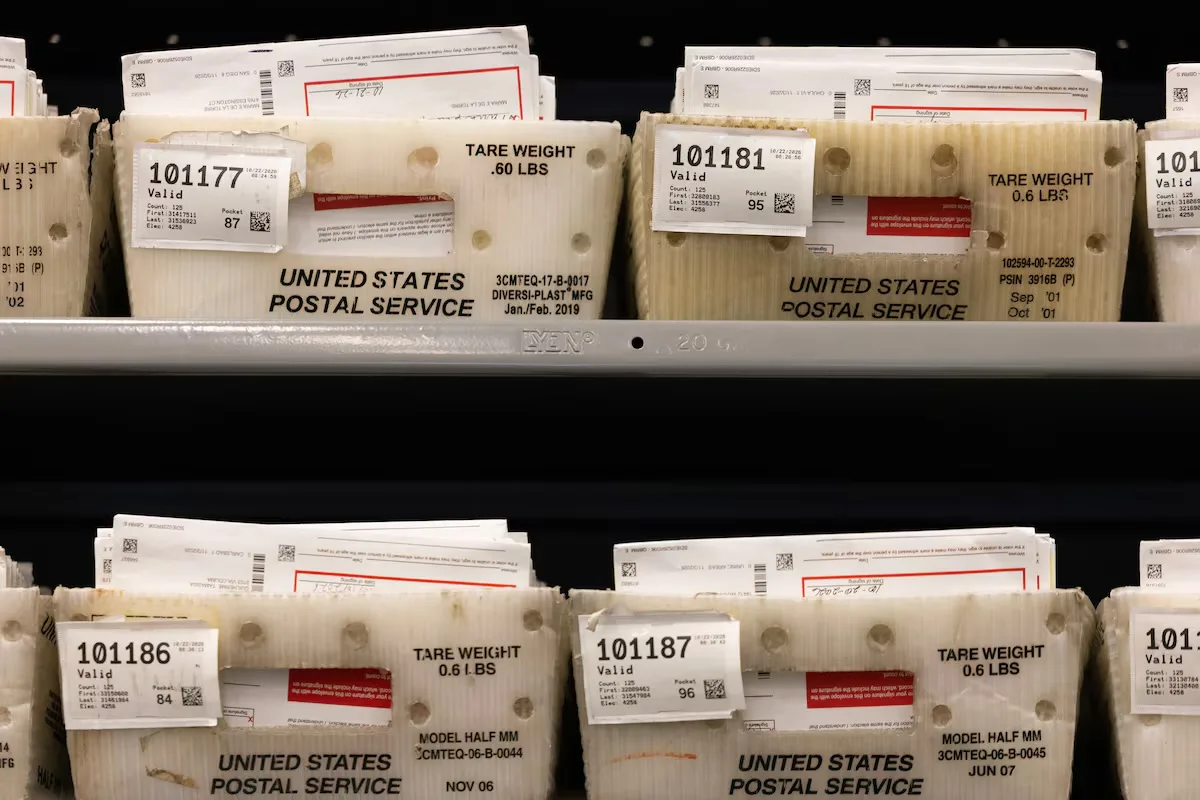
According to the University of Florida Election Lab, 55 million votes have been cast in person and by mail already – more than the 45 million cast in the 2022 midterm elections.

