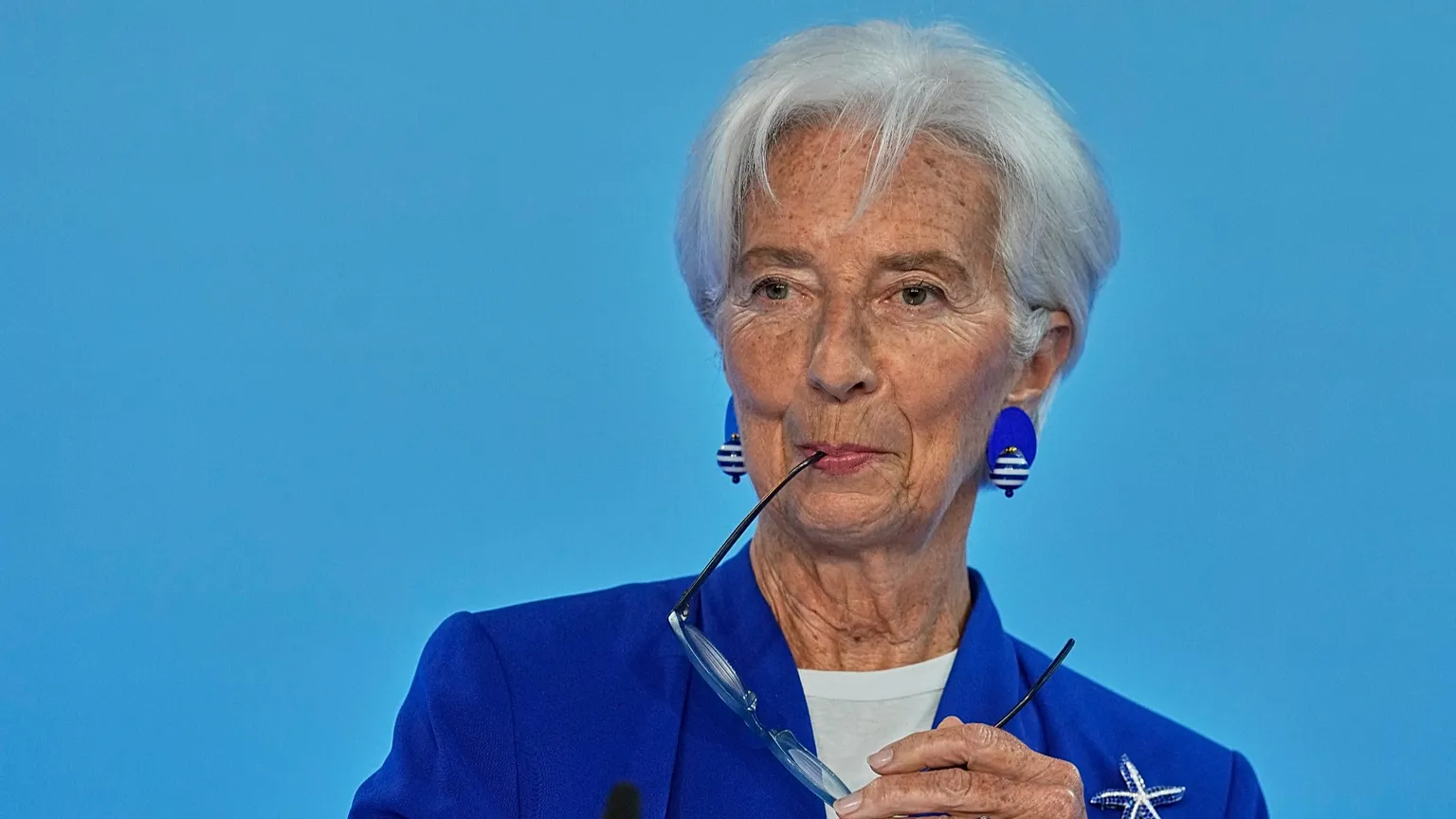











European Central Bank (ECB) President Christine Lagarde resigned on Thursday, ending months of speculation about her future just as Europe enters a period of rising economic volatility and divisive electoral politics, particularly in her native France.
Lagarde will step down on February 7, giving current European Union leaders time to pick her successor before a French presidential election that polls show far-right candidate Marine Le Pen is favoured to win.
The move comes as the ECB battles inflation risks from an Iran war-driven oil shock while a sharp rise in bond yields, especially in France, threatens to dampen growth.
“I leave this institution with a sense of good work done and an ECB that is fit for the future,” Lagarde, 70, said in a short video shared on social media.
A source with direct knowledge of the matter said Lagarde, a former French finance minister and head of the International Monetary Fund, had resigned so she could weigh in on political matters in France and globally. As ECB president, she was expected to remain neutral to safeguard the institution’s independence.
Markus Ferber, a German member of the European parliament for the centre-right European People’s Party, said Lagarde’s early resignation sent “the wrong signal” given high inflation, nervous bond markets and looming elections.
“If the impression arises that such a departure is timed around national elections, it damages trust in an institution that must stand above any domestic political calculation,” Ferber, who sits on the parliamentary committee that will confirm Lagarde’s successor, said.
By contrast, Marcel Fratzscher, president of German think-tank DIW, said Lagarde was showing “a strong sense of responsibility towards Europe”.
“By leaving office early, Christine Lagarde gives European governments and institutions an opportunity to appoint a successor who will safeguard European values and protect the ECB’s independence,” he told Reuters.

