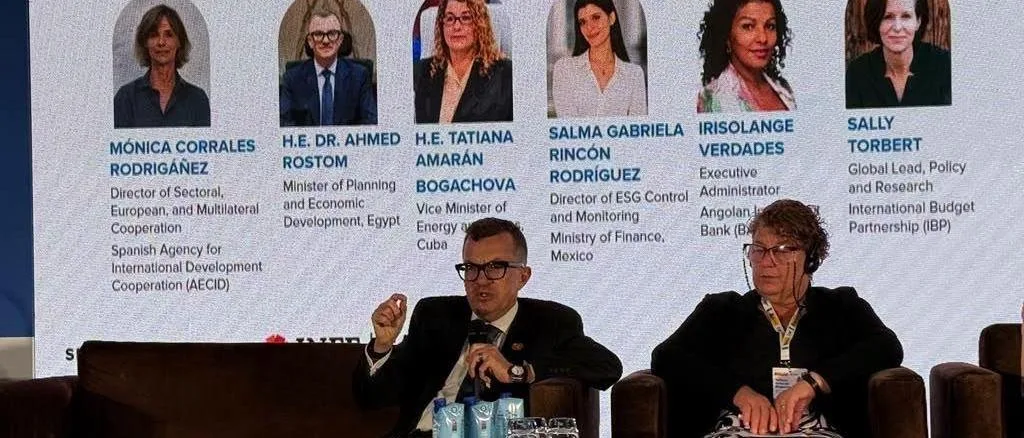





Minister of Planning and Economic Development Ahmed Rostom said the real challenge facing global development efforts today is no longer limited to a lack of capital, but lies in implementation and the ability to bridge the gap between national visions and projects ready for investment.
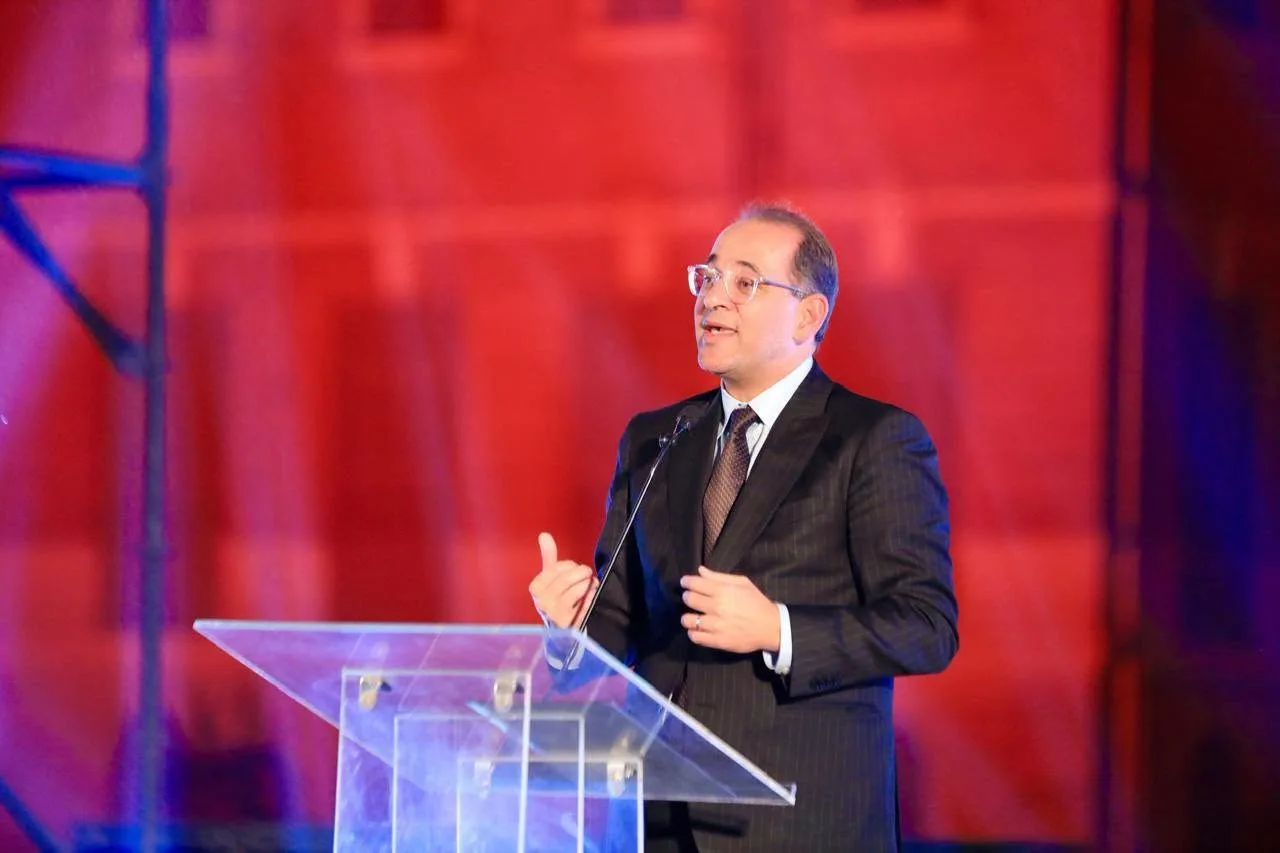
Rostom took part on Wednesday in a panel discussion titled “Country Platforms in Practice: From National Priorities to Bankable and Investable Project Pipelines” at the 2026 Sustainable Development Goals Dialogue in Madrid, Spain. The session was attended by Egyptian Ambassador to Spain Ehab Badawy.
The minister stressed that attracting financing depends on translating national priorities into projects that are attractive to the private sector and financially viable.
Rostom said the Ministry of Planning and Economic Development had restructured its approach to public investment management to improve efficiency and transparency. These efforts included integrating advanced digital systems to monitor projects in real-time, helping to direct public resources towards attracting financing and encouraging private-sector participation. These efforts are also expected to speed up project delivery, improve services and create job opportunities.
The minister also outlined Egypt’s Infrastructure Finance Guarantee Facility (IFGF), developed in partnership with the World Bank Group.
He said the mechanism helps address market and structural risks and encourage domestic financial institutions and investors to participate in key projects.
He cited renewable energy, seawater desalination and sustainable urban development as priority sectors for the facility. The government is working to establish and launch it swiftly, in line with the directives political leadership during Egypt Forum 2026.
Rostom added that the facility would provide early-stage project preparation support and strengthen creditworthiness, reassuring international financial institutions that Egypt’s development priorities are backed by sound and stable financial structures.
He urged development partners and multilateral development banks to provide flexible support for national platforms, including blended finance and local-currency financing mechanisms to reduce exposure to exchange-rate fluctuations.

