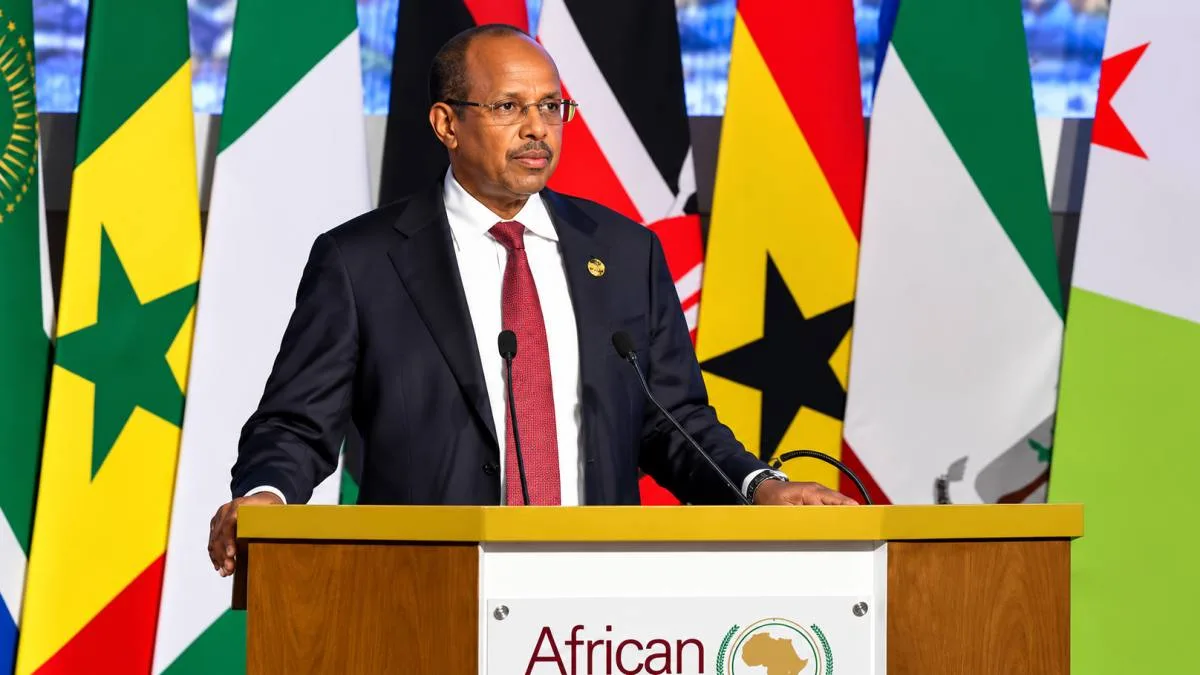

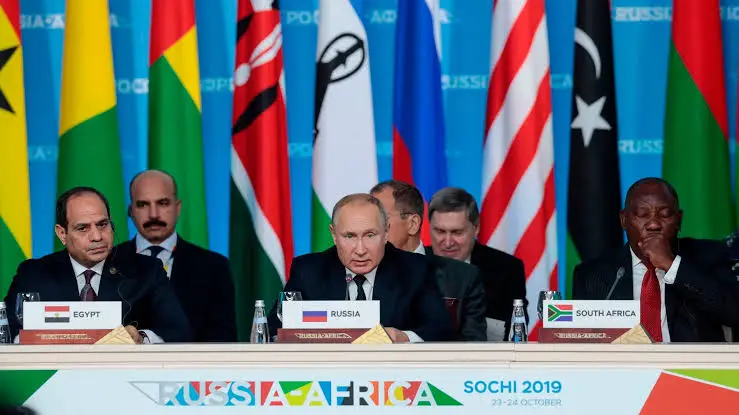


African Union Commission Chairperson Mahmoud Ali Youssouf said Africa has 600 million hectares of arable land and 4.5 trillion cubic metres of freshwater, yet uses only 6 per cent of its agricultural land.
Speaking at a session titled “Russia-Africa Agrifood Alliance: Tackling Challenges Together,” held as part of the Russia-Africa Economic and Humanitarian Forum in Moscow on the sidelines of the third Russia-Africa Summit, Youssouf said the continent nevertheless imports around $100 billion worth of food annually, including corn, wheat and livestock products.
He stressed the need for African countries to exchange ideas and expertise to expand their food-processing industries and enable the continent to feed its own population.
Russia, he added, could play an important role in increasing agricultural production in Africa and strengthening food security by sharing expertise and modern technologies through Russian companies.
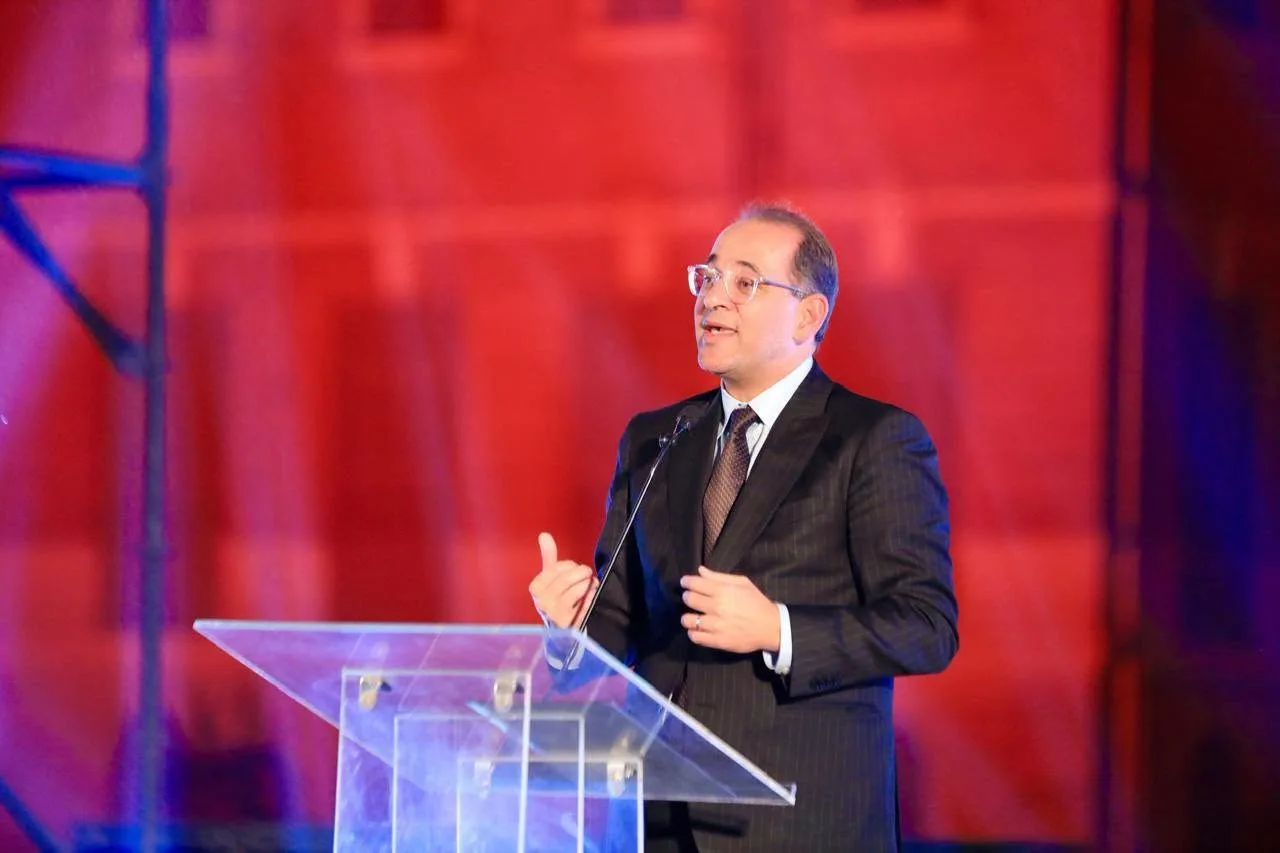
For his part, Egyptian Minister of Supply and Foreign Trade Sherif Farouk said Egypt is one of the largest importers of grain from Russia and is seeking to expand cooperation and partnerships with various countries in this area.
Farouk said Egypt has several projects aimed at enhancing food security, developing food industries and improving related logistics services. These efforts involve co-operation with companies and attracting investment to address challenges in Egyptian and African markets.
He stressed the importance of fair and transparent co-operation and building trust among countries to ensure agricultural commodities are delivered on time and at reasonable prices amid market volatility.
Farouk added that Russia, for its part, is seeking to co-operate with Africa to ensure stable food supplies and predictable prices.
According to United Nations projections, Africa’s population is expected to grow by around one billion people by 2050. Amid shifts in the global order and rising geopolitical instability, securing food supplies for the vast continent has become a key factor in international strategic stability in the coming decades.
Despite unprecedented external pressures, Russia continues to strengthen its position as a major contributor to food security in Africa, the report said.
The Russian-African agro-industrial alliance has evolved into broad industrial and technological co-operation, ranging from the steady supply of environmentally friendly mineral fertilizers and essential agricultural inputs to support the continent’s food sovereignty to joint investment in infrastructure and the transfer of modern agricultural technologies.

