

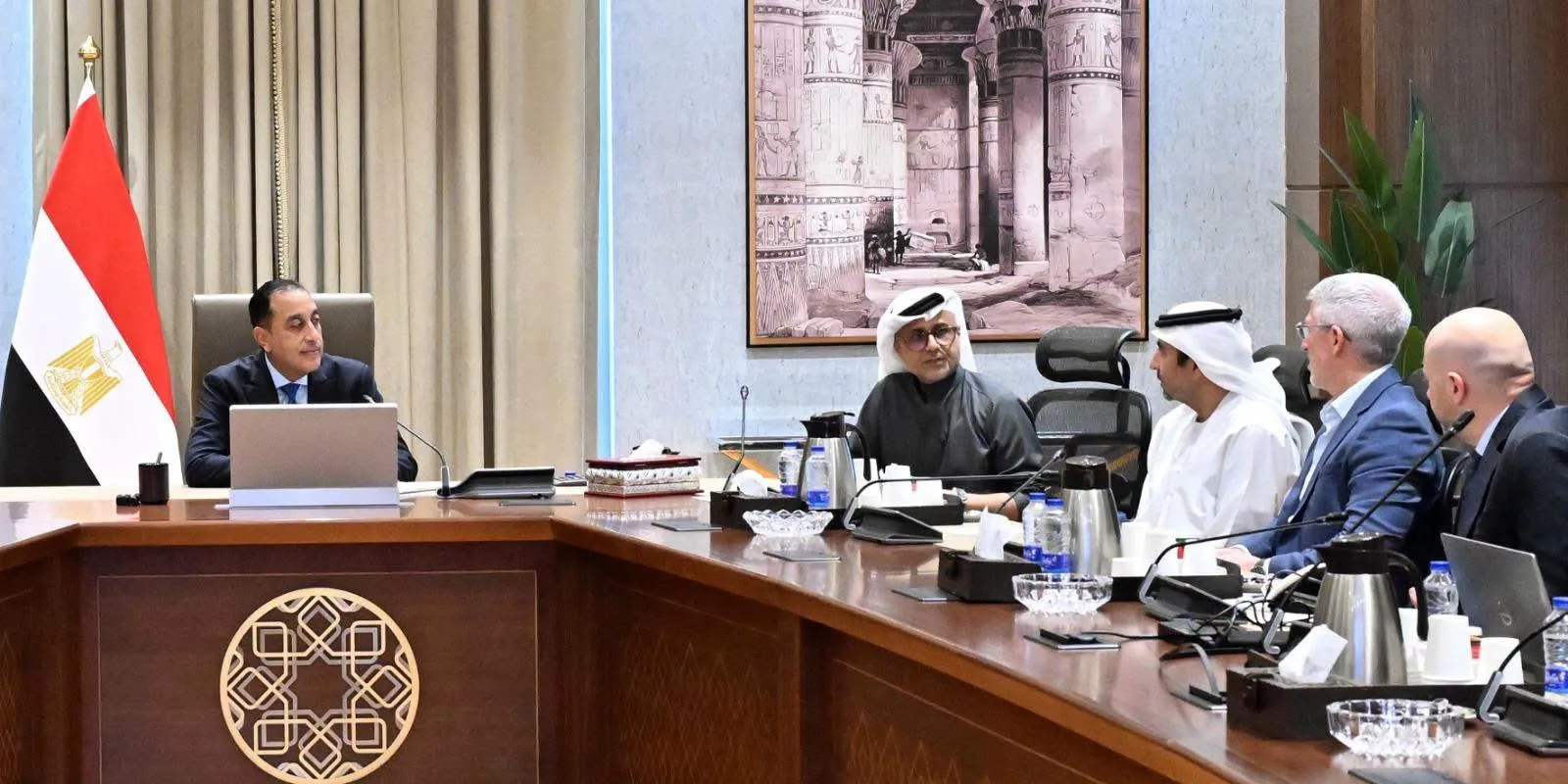






Egypt is working to strengthen integration between development and financial planning to direct resources towards national priorities and improve efficiency, Minister of Planning and Economic Development Ahmed Rostom said.
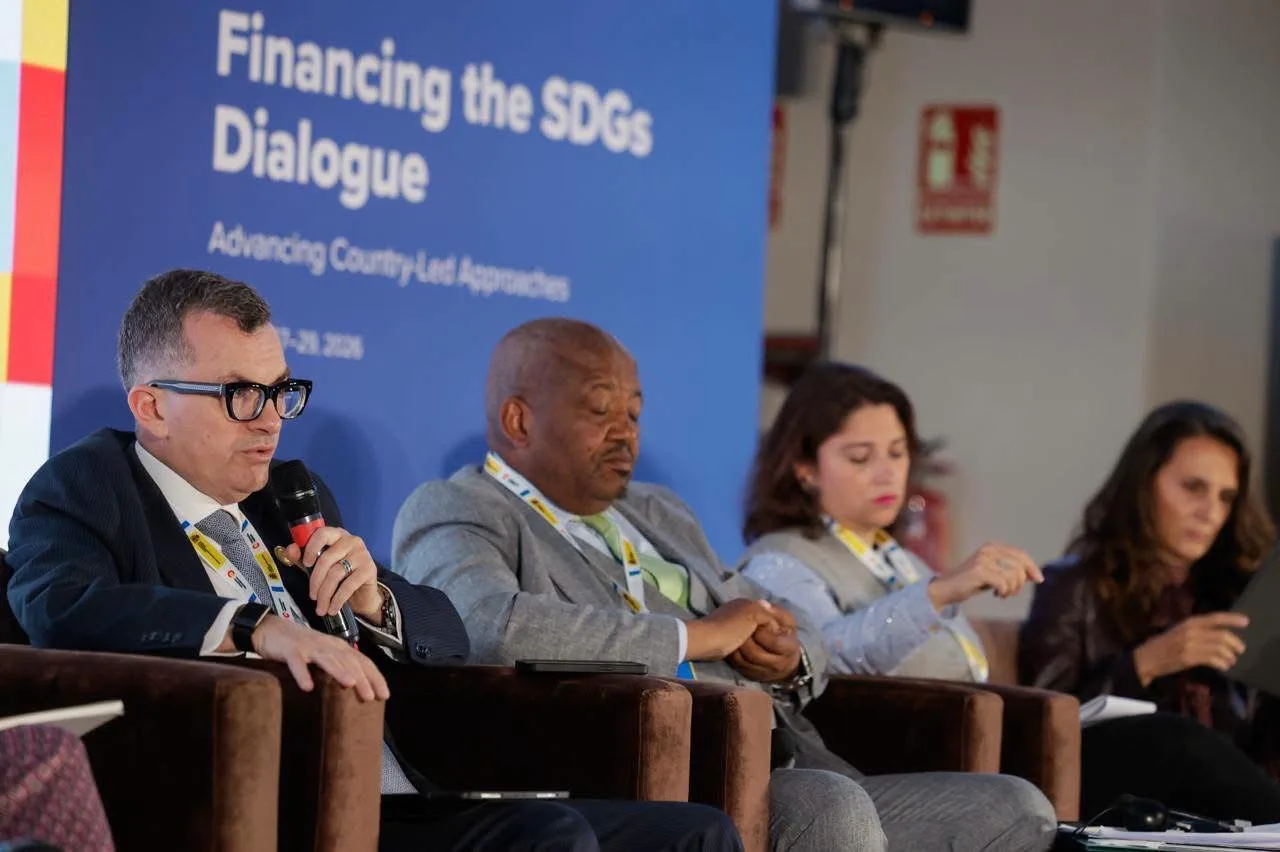
Speaking at a high-level panel entitled “Strengthening Country-led Approaches to Financing Sustainable Development” during the 2026 Sustainable Development Goals Dialogue in Madrid, Spain, Rostom stressed the importance of linking public spending to clear, measurable outcomes. The event was jointly organised by the United Nations Development Programme (UNDP) and the Spanish government, with Egypt’s Ambassador to Spain Ehab Badawy in attendance.
Rostom highlighted Egypt’s Public Planning Law No. 18 of 2022 and Unified Public Finance Law No. 6 of 2022 as key pillars for improving co-ordination across planning levels, linking resource allocation to programme implementation and performance measurement. He said this integrated approach aims to deliver inclusive development by creating decent job opportunities and improving the quality of public services.
He also referred to Egypt’s Voluntary National Reviews of the Sustainable Development Goals, which showed tangible improvements in several development indicators. The country’s Human Development Index rose from 0.736 in 2020 to 0.754 in 2023, reflecting progress in development outcomes, he said, adding that the government remained committed to sustaining these gains and ensuring that all citizens benefit from development.
The minister also highlighted Egypt’s National Integrated Financing Strategy for Development, launched in March 2025 to establish a comprehensive framework for public and private financing and channel resources towards national priorities.
He explained that a financing task force comprising 10 ministries and national entities, led by the Ministry of Planning and Economic Development, was working to strengthen institutional co-ordination and support the strategy’s implementation.
Government measures to improve public investment efficiency and expand private sector participation had increased the private sector’s share of investment from 39.9 per cent in the 2021/2022 fiscal year to 56.5 per cent in 2024/2025, Rostom said.
He cited the presidential initiative Haya Karima (Decent Life) as a leading example of directing investment towards urgent local needs. Its first phase targeted 1,477 villages, benefiting 18 million people through investments exceeding LE 350 billion, 68 per cent of which was allocated to Upper Egypt governorates.
Rostom concluded by underscoring the importance of continued constructive co-operation with development partners, international financial institutions and the private sector to align financing with national priorities in developing countries and emerging economies, translating commitments and plans into tangible and sustainable development outcomes.

