



President Abdel Fattah El-Sisi has urged stronger regional and international co-operation on water security, reaffirming Egypt’s rights in Nile water.
Sisi also stressed that shared resources ‘should promote peace, development and prosperity’.
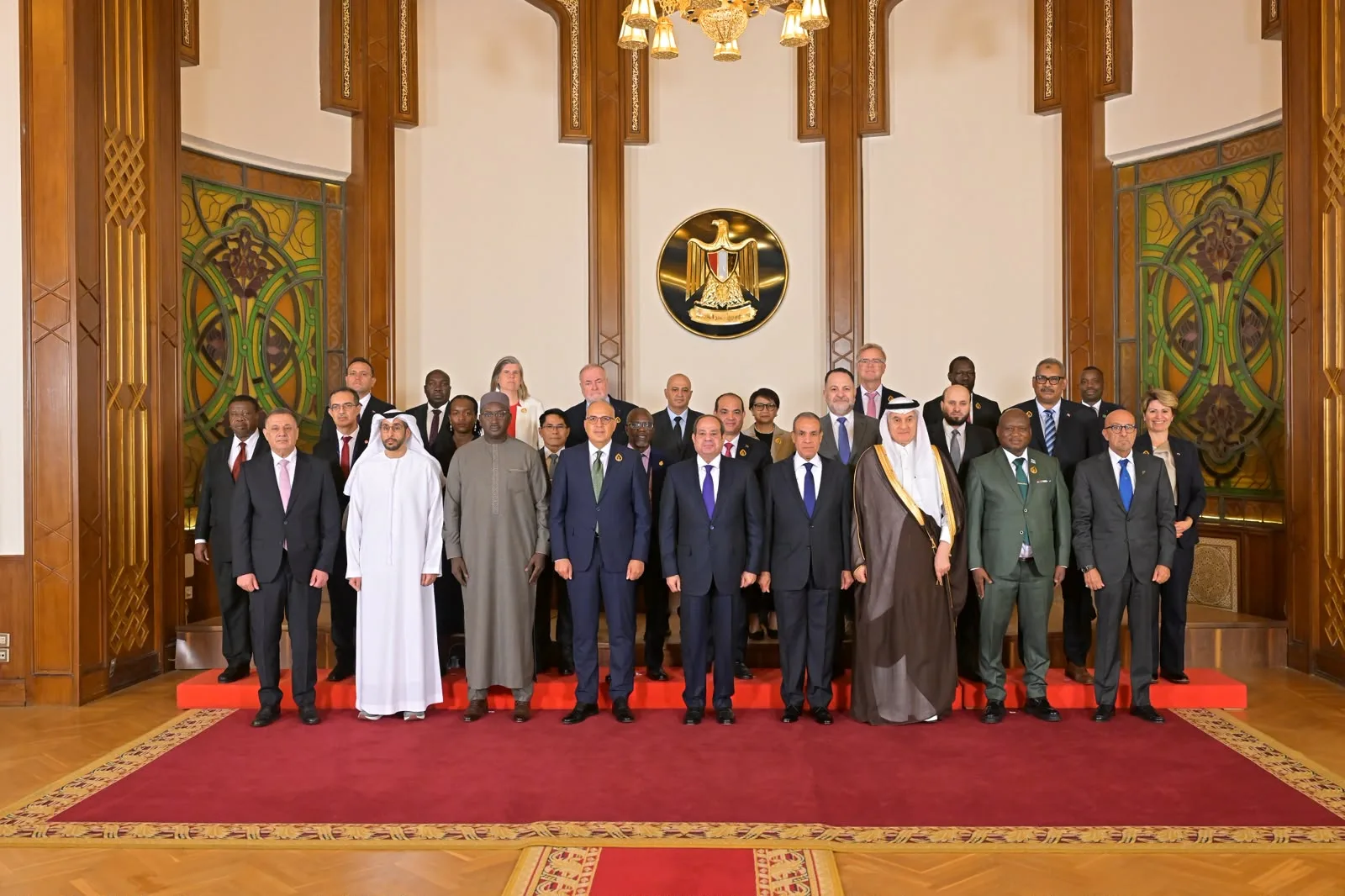
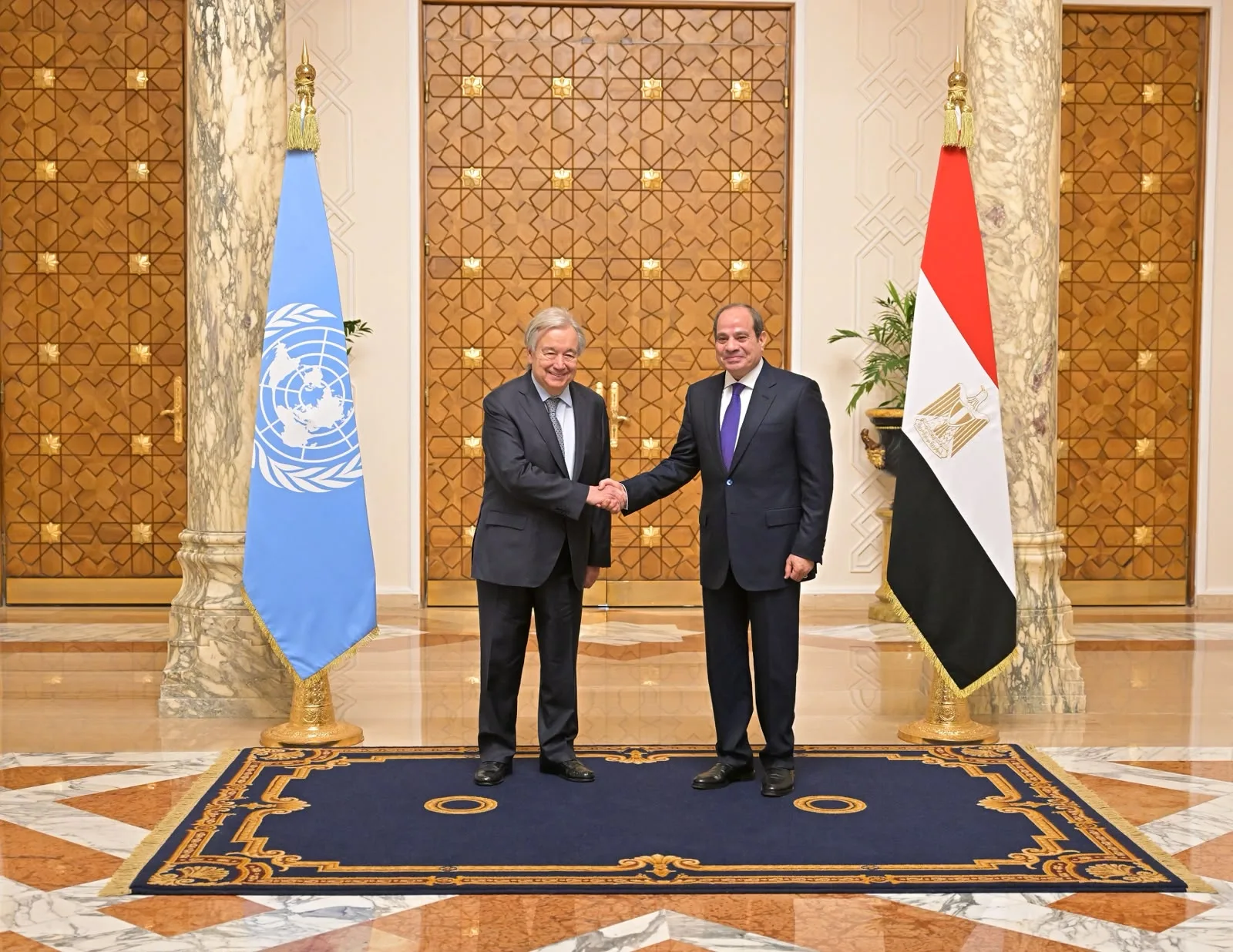
Addressing ministers and delegation heads at the 9th Cairo Water Week (CWW 2026) at Cairo’s Ittihadiya Palace on Monday, President El-Sisi emphasised dialogue, consultation and international law.
Water Resources and Irrigation Minister Hani Sewilam and Foreign Minister Badr Abdelatty attended the meeting.
El-Sisi highlighted Egypt’s severe water scarcity, noting that the Nile provides over 98 per cent of its renewable water resources, originating entirely outside its borders, Presidency Spokesman, Mohamed El-Shennawy, said.
With annual rainfall averaging 18 millimetres and per capita water availability at approximately 473 cubic metres, Egypt faces mounting pressures from its population of 110 million and around 10 million foreign residents.
Egypt reuses approximately 23 billion cubic metres of water annually and has invested heavily in infrastructure and efficiency.
The second-generation water management system focuses on digital transformation, smart management, climate resilience and infrastructure development, with Egypt ready to share its expertise internationally.
Meanwhile, the President reaffirmed Egypt’s support for the development rights of all Nile Basin countries, highlighting Egyptian-backed projects in the basin’s southern countries.
He stressed prior notification, technical studies and consultation as essential for confidence and development financing, proposing similar co-operation among Egypt, Sudan and Ethiopia.
The Egyptian leader also called for an inclusive Nile Basin framework, addressing four countries outside the existing Framework Agreement through mutually agreed amendments or an additional protocol under the Council of Ministers of Water.
The basin receives approximately 2,050 billion cubic metres of rainfall annually, yet only around 84 billion cubic metres reaches Aswan.
Accordingly, the president urged investment in rainfall utilisation, land resources and renewable energy, insisting that water must not become a political instrument and that Egypt’s water share should remain unaffected.
At the international level, Egypt contributed to the African Water Vision 2063 during its 2023–2025 AMCOW engagement and established the African Centre for Water and Climate Adaptation.
Egypt will chair the African Water Facility’s Governing Council for 2026–2030, while hosting the 17th Arab Ministerial Water Council and seventh Arab Water Conference. Egypt also co-chaired the “Water for the Planet” dialogue with Japan.
For his part, the Water Resources Minister called for proactive planning, resilient systems and transparent, lawful river governance.
For their part, the ministers highlighted Egypt’s vital and pivotal role in managing water issues and promoting regional and international co-operation, Spokesman El-Shennawy said.
They commended the CWW, which has become a major global platform for dialogue and the exchange of expertise.
They also emphasised the ability of scientific solutions to address water challenges, the importance of sharing experiences and knowledge on water-related issues, and the imperative of joint action to tackle these challenges.

