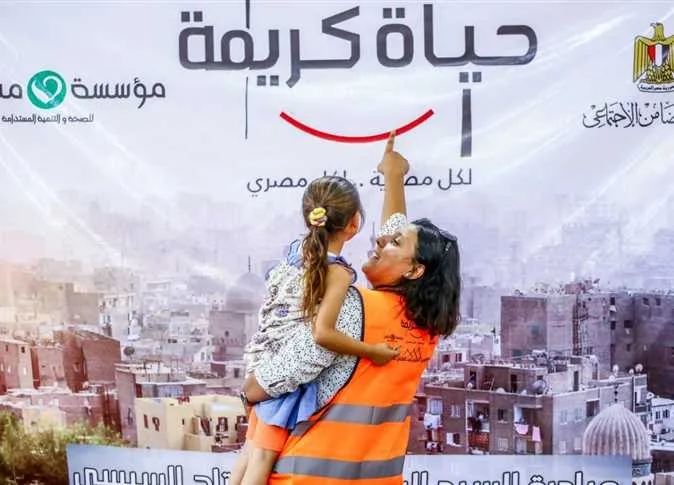





Egypt’s presidential Decent Life (Hayah Karima) initiative aims to improve living standards in rural communities by upgrading infrastructure, expanding public services and creating better economic opportunities.
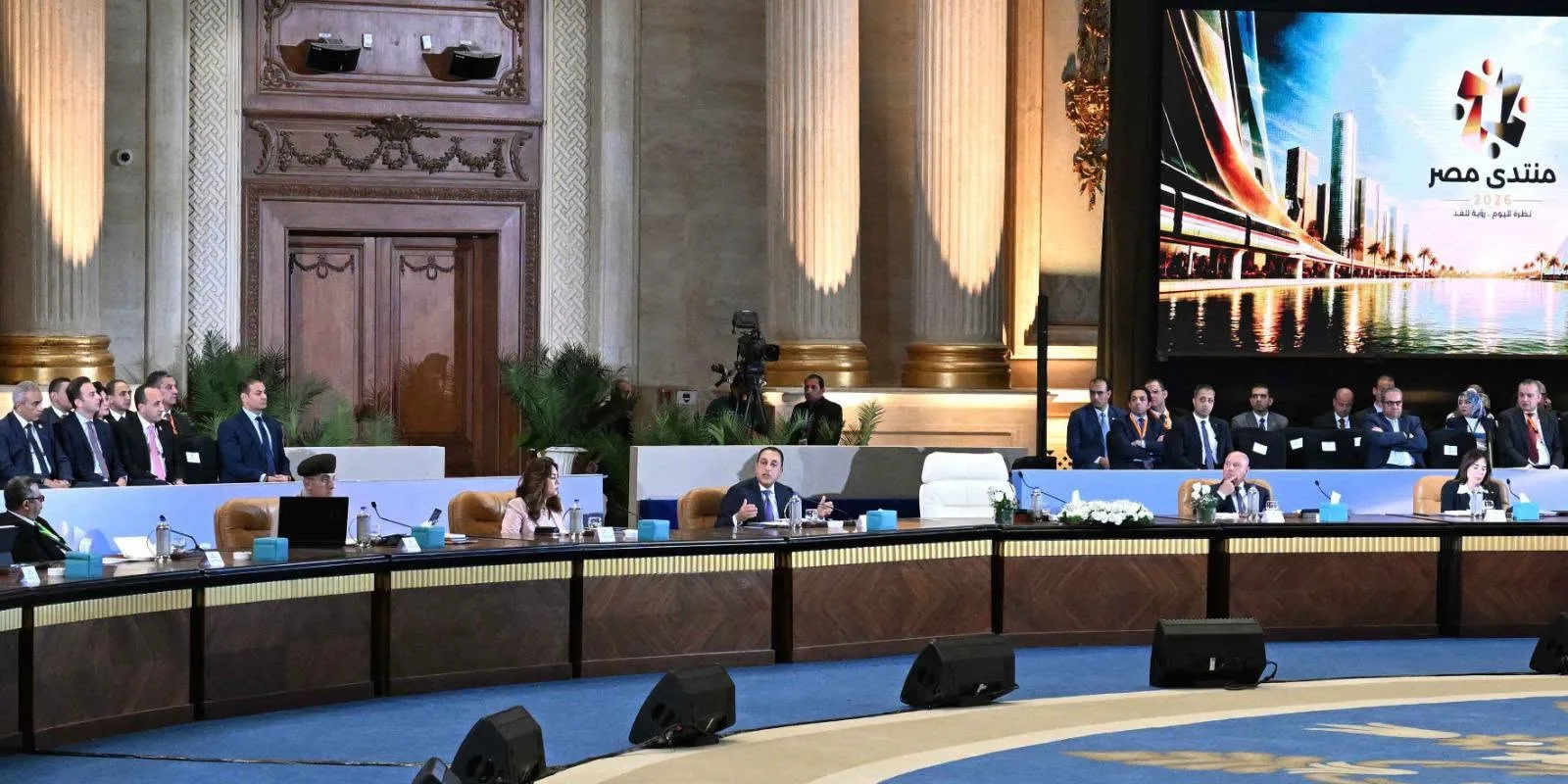
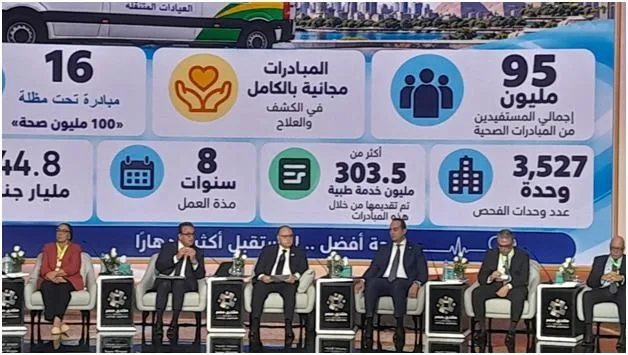
The initiative was a key topic at the Urban Development session on the second day of “Egypt Forum 2026” on Tuesday.
Discussions during the session covered the initiative’s role in narrowing the development gap between rural and urban areas, alongside plans for new cities, housing, transport, roads and infrastructure.
According to a report released by the state-run Middle East News Agency (MENA) on Tuesday, the initiative combines infrastructure investment with improvements in healthcare, education, social protection and local government services.
143 villages covered in the preliminary phase
During its preliminary phase in the 2019/2020 fiscal year, the initiative implemented 628 projects in 143 villages across 11 governorates. The targeted villages had multidimensional poverty rates exceeding 70 per cent. More than 50,000 social protection and welfare interventions were also carried out.
The projects extended sanitation services to 47 villages at a cost exceeding LE1 billion. Drinking water coverage rose from 86 to 94 per cent, while daily water production nearly doubled, increasing from 74,000 to 141,000 cubic metres. Investments in water supply totalled LE128 million.
Other projects covered electricity, roads, education and healthcare. The inititiative delivered 125 electricity and public lighting projects worth LE240 million and paved 188 kilometres of roads at a cost of about LE319 million.
Housing and social welfare also featured prominently. Some 16,000 homes were overhauled, benefiting around 80,000 people, while approximately 117,000 people received free healthcare services. Concessional loans worth LE277 million were also provided.
1st phase expands to 1,477 villages
Launched in July 2021, the first phase covered 1,477 villages across 52 administrative centres, serving around 18 million people. More than 27,000 projects have been undertaken across infrastructure and public service sectors.
The projects include drinking water, sanitation, electricity, natural gas and telecommunications networks, as well as road paving, bridge construction and canal lining. Schools, healthcare facilities, youth centres, sports grounds and social welfare facilities have also been developed.
Additional projects include police stations, civil protection units, public transport terminals and markets. Together, these investments aim to improve access to essential services and reduce the need for residents to travel to neighbouring cities to meet their daily needs.
The Ministry of Local Development and Environment, working with governorates, has overseen projects to establish and upgrade markets, public transport terminals and fire stations.
Of 351 projects in this category, 347 have been completed, representing a completion rate of nearly 99 per cent. Work is underway in the remaining four projects. The total cost is estimated at LE1.79 billion.
The ministry has also co-ordinated the provision of 5,545 plots of land for the initiative’s projects. Local communities contributed around 20 per cent of the land through individual and community donations.
Another key component is the establishment of government service complexes to bring public services closer to rural residents.
A total of 332 government complexes have been completed, equipped and put into operation. They provide services including postal facilities, ration cards, civil registration, local administration, technology centres, social solidarity and real estate registration.
The complexes allow residents to complete several administrative procedures in one stop, reducing travel time and costs.
To support digital services, LE432 million has been allocated to purchasing computers and related equipment. The ministries of planning and economic development and communications and information technology co-ordinate procurement.
A local government services application has also been developed in co-operation with the Ministry of Planning, with pilot operations under way to streamline procedures and expand digital service delivery.
The initiative also aims to strengthen local government to ensure that completed projects remain operational and continue to serve communities.
A new organisational structure for local administrative units has been approved by the Cabinet and the Central Agency for Organisation and Administration.
Under the revised structure, each village-level unit is to have 20 employees, with specialised responsibilities covering infrastructure services, local revenue generation, small and micro-enterprise support, planning, property management and technology centres.
The reforms aim to improve local authorities’ ability to maintain public utilities, monitor projects and respond to residents’ needs.
The initiative’s next challenge is to sustain the benefits of these investments through effective maintenance, continued monitoring and the completion of outstanding work. Its long-term impact will depend on ensuring that improved infrastructure is matched by reliable public services and stronger local administrative capacity.
Report by Hend Saeed and Mohamed Ali from MENA

