






Egypt has pursued a comprehensive strategy to combat terrorism and extremism over the past decade, combining pre-emptive security operations, legislative reforms, measures to disrupt terrorist financing, socio-economic development projects, and programmes promoting moderate religious discourse and protecting young people from radicalisation.
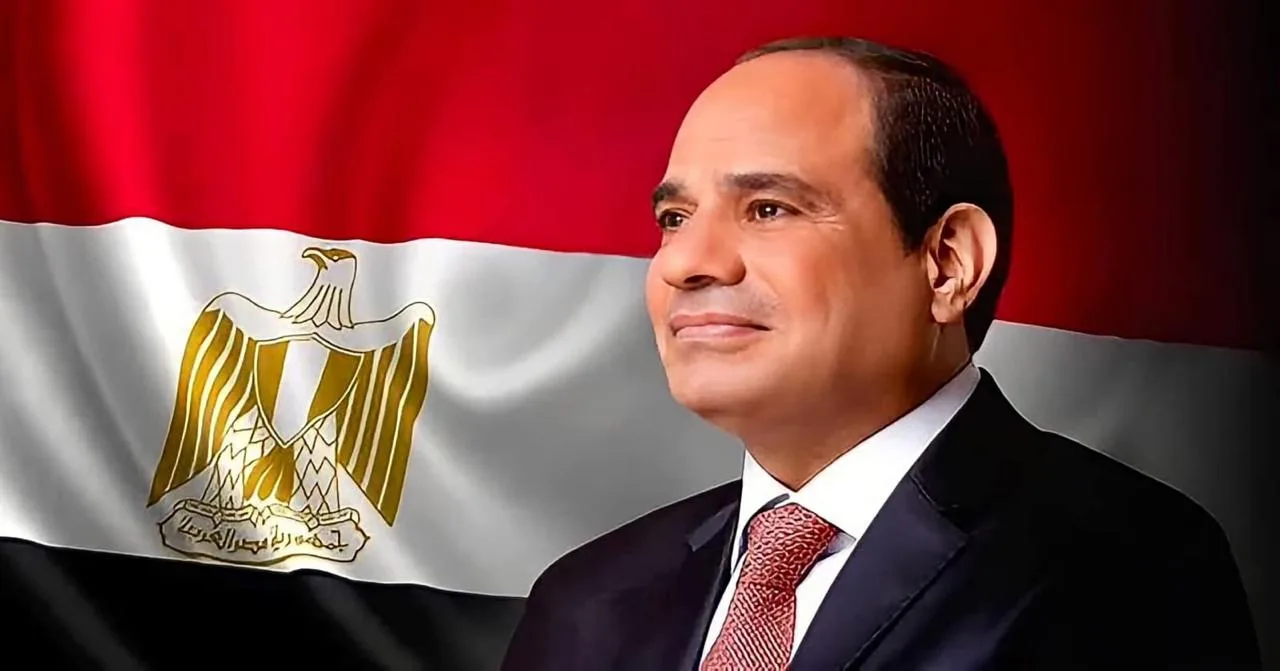
Under President Abdel Fattah El-Sisi, the approach has placed security alongside development and public awareness, reflecting the principle that defeating terrorism requires not only dismantling militant networks but also addressing the conditions that enable extremist ideologies to spread.
The National Council for Combating Terrorism and Extremism was established under a 2017 presidential decree to co-ordinate the efforts of state institutions and society in confronting the threat.
Security operations and development
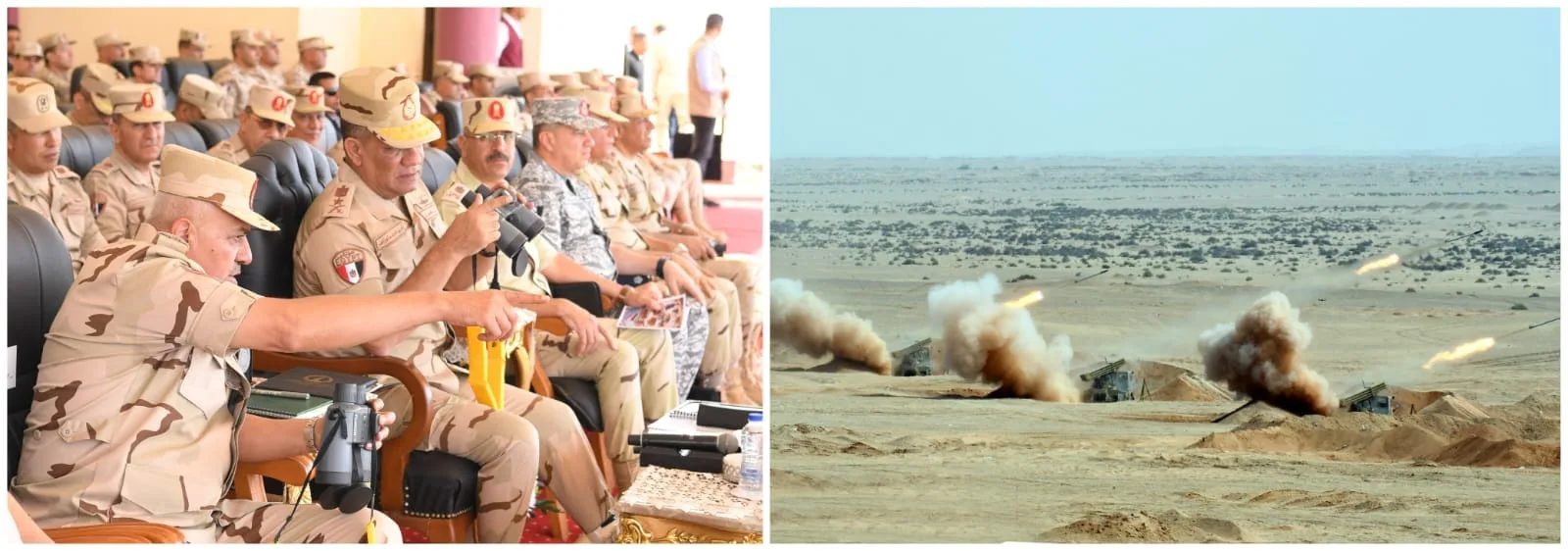
Pre-emptive operations have been a cornerstone of Egypt’s security strategy, particularly in North Sinai. The Comprehensive Operation Sinai 2018, led by the armed forces and police, targeted terrorist strongholds, logistical networks and vehicles used by extremist groups. It followed Operation Martyr’s Right, which was launched in several phases to pursue militant elements.
Security agencies have continued to target emerging terrorist cells and prevent extremist groups from reorganising. Parallel measures have sought to disrupt sources of funding through anti-money-laundering legislation and mechanisms enabling the freezing of assets linked to terrorist activities.
Alongside security measures, the government has pursued major development projects in Sinai and the Canal cities under a strategy extending to 2030. The programme focuses on economic investment, the establishment of new urban communities, and improvements in social services and human development.
The first phase included the construction of 18 development communities at a cost of approximately LE1.9 billion, providing around 1,145 homes for Bedouin families. Roads, water and electricity networks, schools and healthcare facilities have also been expanded to improve living standards and strengthen local communities.
The presidential Decent Life initiative has complemented these efforts by extending healthcare, social protection, food security and economic empowerment programmes to villages across Egypt, including parts of North Sinai.
Legislation and judicial action
Egypt has strengthened its legal framework through Anti-Terrorism Law No. 94 of 2015 and the Law on Terrorist Entities and Terrorists Lists No. 8 of 2015.
These laws provide for restrictions on designated organisations, the freezing of assets, and penalties for offences including terrorist financing.
The judiciary has also played a central role in prosecuting terrorism-related cases, despite attacks targeting judicial figures and institutions. One of the most notable incidents was the assassination of former prosecutor-general Hisham Barakat in 2015.
In parallel, the state has pursued judicial modernisation and digitalisation initiatives aimed at improving court efficiency and accelerating the resolution of cases.
Religious and cultural initiatives
Religious institutions have worked to counter extremist narratives through public outreach, digital platforms and programmes promoting moderation and correcting misconceptions.
Al-Azhar’s Islamic Research Academy conducts awareness campaigns and operates an observatory that monitors extremist fatwas and deviant interpretations of religious texts. Dar Al-Ifta has similarly focused on analysing and refuting extremist narratives, particularly those used to recruit young people.
The Ministry of Awqaf has expanded outreach efforts in mosques, schools and universities, while also strengthening preacher training programmes and digital engagement.
Cultural initiatives have reinforced these efforts in remote and border regions, including Sinai, Matrouh, Halayeb and Shalatin.
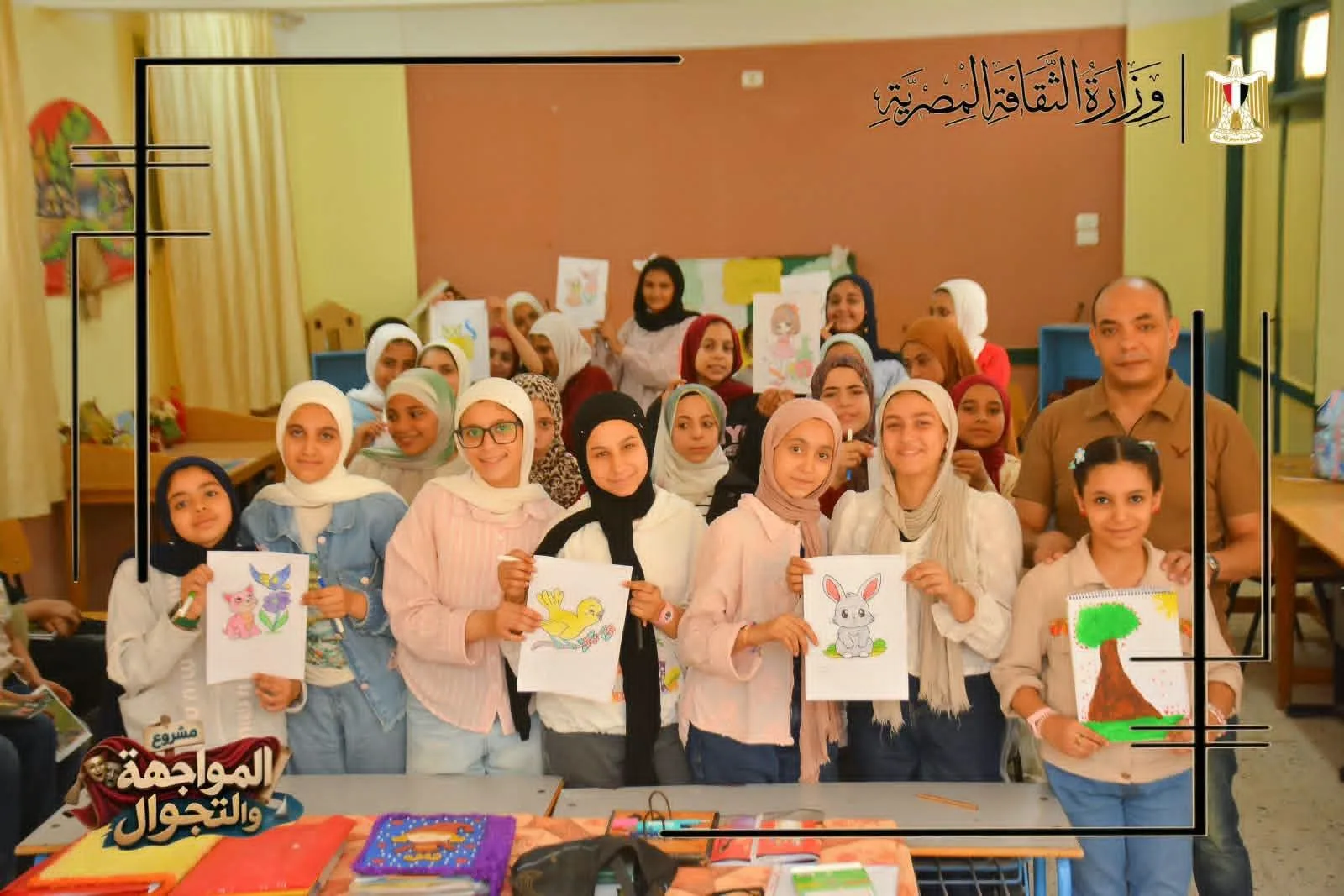
The Ministry of Culture has organised cultural caravans, artistic workshops and awareness seminars. Its Theatre of Confrontation and Touring project has also brought performances to governorates and villages included in the Decent Life initiative.
Supporting families of victims
The government established the Fund for Honouring Martyrs, Victims, Missing Persons and Injured People in Military, Terrorist and Security Operations and Their Families under Law No. 16 of 2018. The fund provides institutional support to affected families and is complemented by initiatives such as Egypt Is With You, which supports the children of fallen armed forces and police personnel.
A comprehensive approach
Parliamentary representatives have stressed that combating extremism must remain a long-term national priority, combining security measures with education, religious reform and public awareness.
According to state institutions and officials, Egypt’s experience reflects a strategy that extends beyond security operations to include development, legislation, cultural engagement and support for affected families. The approach emphasises that maintaining stability requires continued co-operation between state institutions and society, with investment in people and the protection of younger generations remaining central to the effort.
Report by MENA. Written by: Ahmed Abdallah, Khaled El-Eisawy, Mohamed Moustafa Abdel-Raouf, Mohamed Yehia, Ahmed Tarek, Marwa Saad, Ahmed Ashour, and Salma Ezzat.

