



US and Iranian negotiators in New York are exploring a phased path out of war that would involve Tehran reopening the Strait of Hormuz and Washington lifting its economic blockade of Iran, sources close to the talks said.
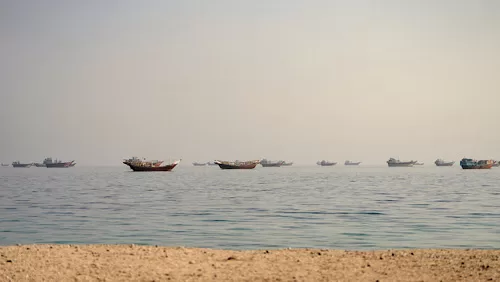
The strait has become the central bargaining chip in efforts to end the nearly seven-month US-Iran conflict, with Iran seeking relief from the US blockade that is choking its economy and Washington seeking free passage for ships on the global oil supply route now blocked by Tehran.
The talks face a big obstacle as neither side wants to be the first to surrender its leverage, according to comments to Reuters by two Iranian sources, two regional officials and two Western diplomatic sources, but behind Iran’s stance is a recognition of the economic cost of prolonged confrontation.
A senior Iranian official said the most plausible way to end the impasse would be a phased arrangement, with Iran allowing navigation through Hormuz in return for the US lifting its economic blockade and Tehran potentially gaining access to frozen assets.
“One way forward would be to solve the crisis in stages. The first would be to end the blockade and reopen Hormuz,” he said on the sidelines of the UN General Assembly.
That would involve US President Donald Trump accepting another temporary fix, after an earlier understanding collapsed in July. So a central challenge facing the negotiators is not just to sketch out a deal but also to ensure any concessions are durable enough for both sides to trust, the sources said.
Trump has said he thinks the US and Iran could reach a deal after midterm elections to Congress on November 3. A senior European official said the Iranians “have a very long list of demands.”
A White House official said that while “Iran is desperate for a deal, President Trump holds all the cards and will make whatever decision is best for the United States.”
Trump, he said, remained “open to talking with Iran under the right circumstances” but had no need to negotiate, and the US was in a “very strong position” with control of the Strait of Hormuz and an Iranian economy that was “collapsing.”

