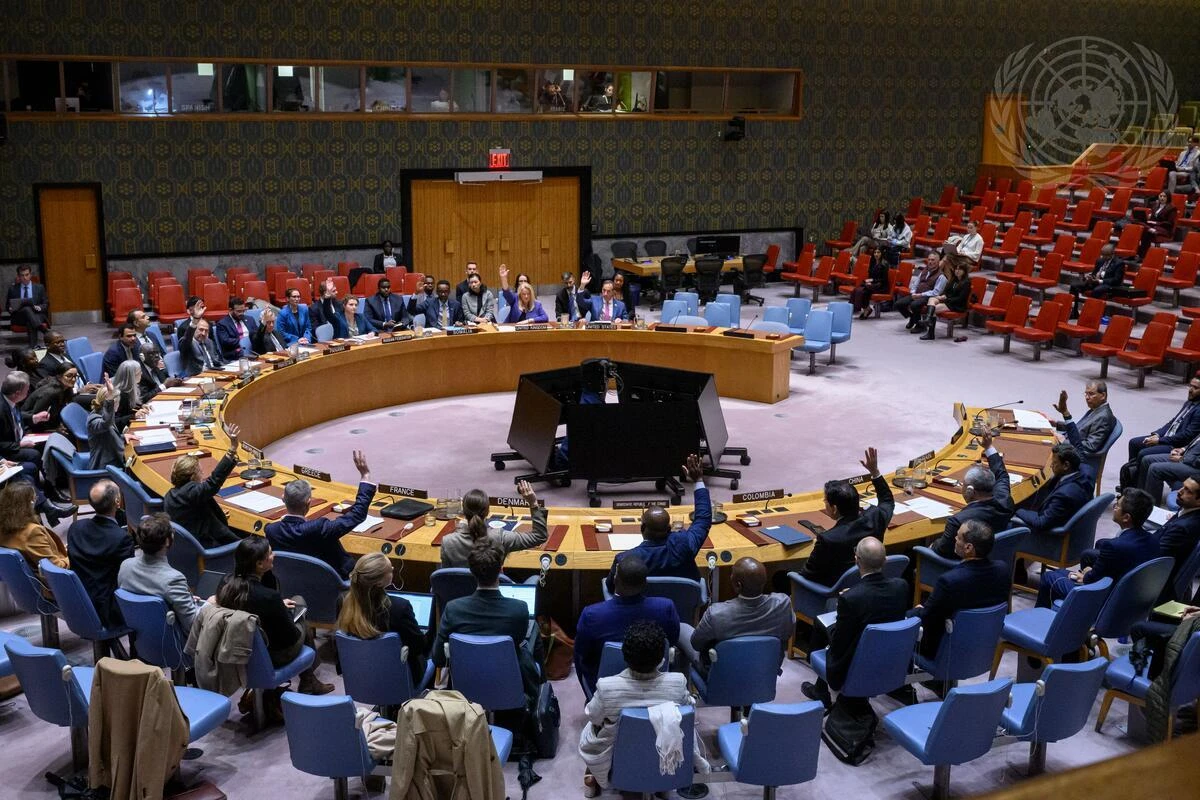






The UN Security Council on Thursday renewed sanctions on Yemen and moved to restrict supplies of components and chemicals used by the Iran-backed Houthi rebels to manufacture drones and missiles.
The resolution, adopted by consensus without a formal vote, condemned the Houthis’ military escalation in Yemen and cross-border attacks on Saudi Arabia. It demanded an end to their offensive in Yemen, strikes on Saudi Arabia and threats to commercial shipping.
The council extended a targeted asset freeze and travel ban until November 14, 2027, and renewed the mandate of the panel monitoring the sanctions until December 15, 2027. An arms embargo imposed on the Houthis in 2015 has no specified end date.
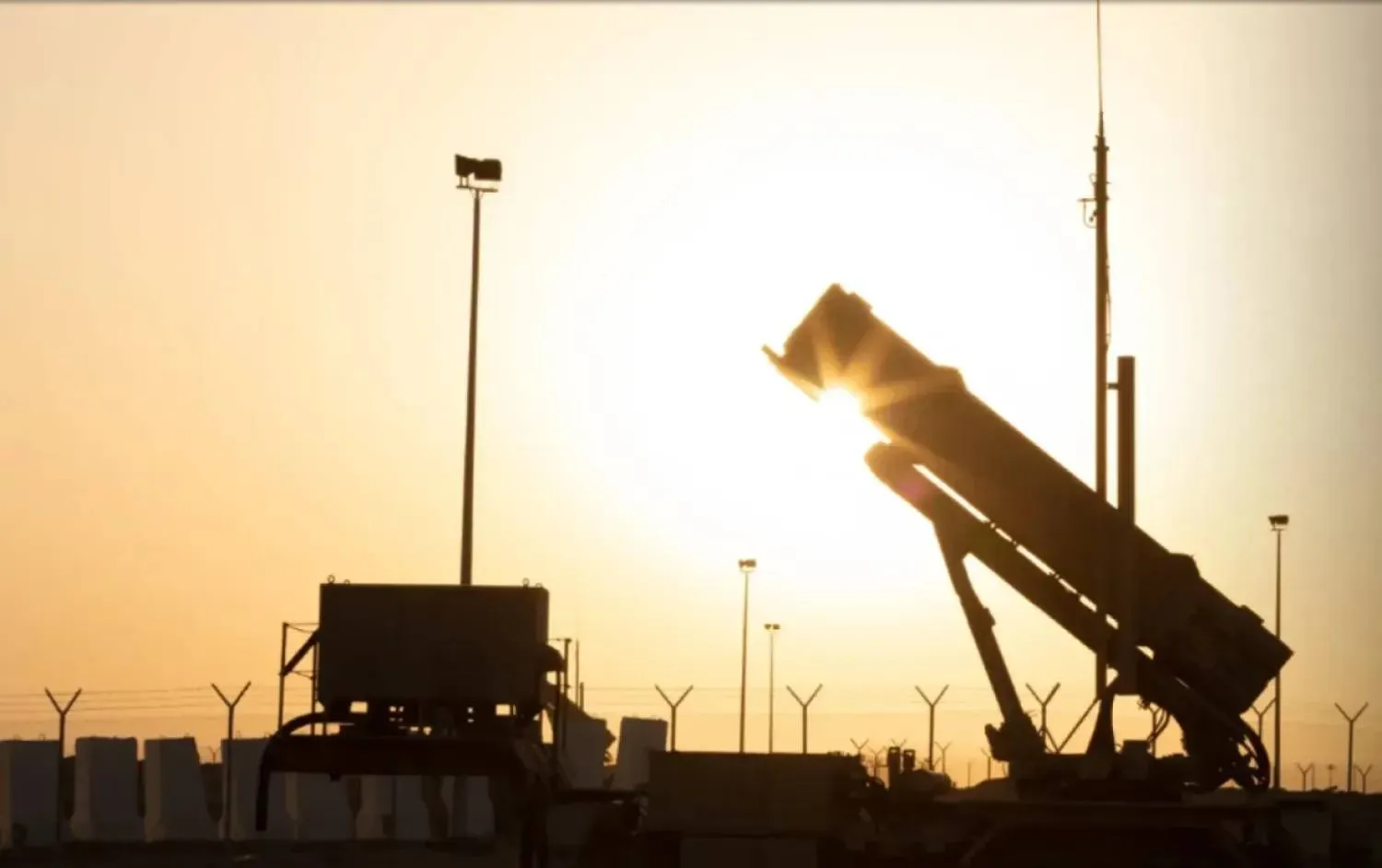
The council said it intended to decide by January 11 what steps countries should take to prevent the Houthis from acquiring specified dual-use items, based on a list compiled by the expert panel. Such items have civilian uses but can also be used to make weapons.
British ambassador Sarah MacIntosh said London would work with council members in the coming months to agree on the list, ensuring the sanctions regime “keeps pace with the evolving threat from the Houthis”.
UN monitors have found that the rebels maintain their arsenal through smuggling and the diversion of commercially available parts, allowing them to manufacture attack drones locally.
The resolution also asked the expert panel to track revenues the Houthis earn from key economic sectors and recommend ways to prevent the money from being diverted to military use.
It reaffirmed that the arbitrary detention of UN, diplomatic and humanitarian personnel could be grounds for further sanctions. The provision followed the death in Houthi custody of Mohammad El-Shami, a Yemeni employee of the UN Human Rights Office who had been detained since June 2024.
MacIntosh called for the “immediate and unconditional release” of detained UN, humanitarian, civil society and diplomatic personnel.
Negotiations on the resolution were difficult despite its adoption by consensus. Britain, Bahrain and the United States sought to include language describing the Houthis as a “terrorist group”, but the wording was dropped after Russia objected that it could hinder political talks.
China, backed by Russia, opposed aspects of the proposed list of dual-use items and an expansion of the expert panel. References to Houthi links with Somalia’s Al-Shabaab were also removed following objections from African council members, China and Russia.
Yemen’s UN ambassador Abdullah Al-Saadi welcomed the condemnation of the Houthis but regretted that the council had not explicitly labelled them a terrorist group.
He accused the rebels of “using starvation as a means of war” and called for their siege of the city of Taiz to be lifted.
The resolution came as fighting has intensified in Yemen. The Houthis launched an offensive in early September and seized the strategic Red Sea port of Mokha after clashes with government forces. They have also launched missile and drone strikes on Saudi territory.
MacIntosh said more than 22.3 million Yemenis needed humanitarian aid and that over 330,000 had been displaced by the latest fighting.
“Sanctions are not an end in themselves,” she said. “They are a tool to constrain those who threaten Yemen’s peace and security.”

